F
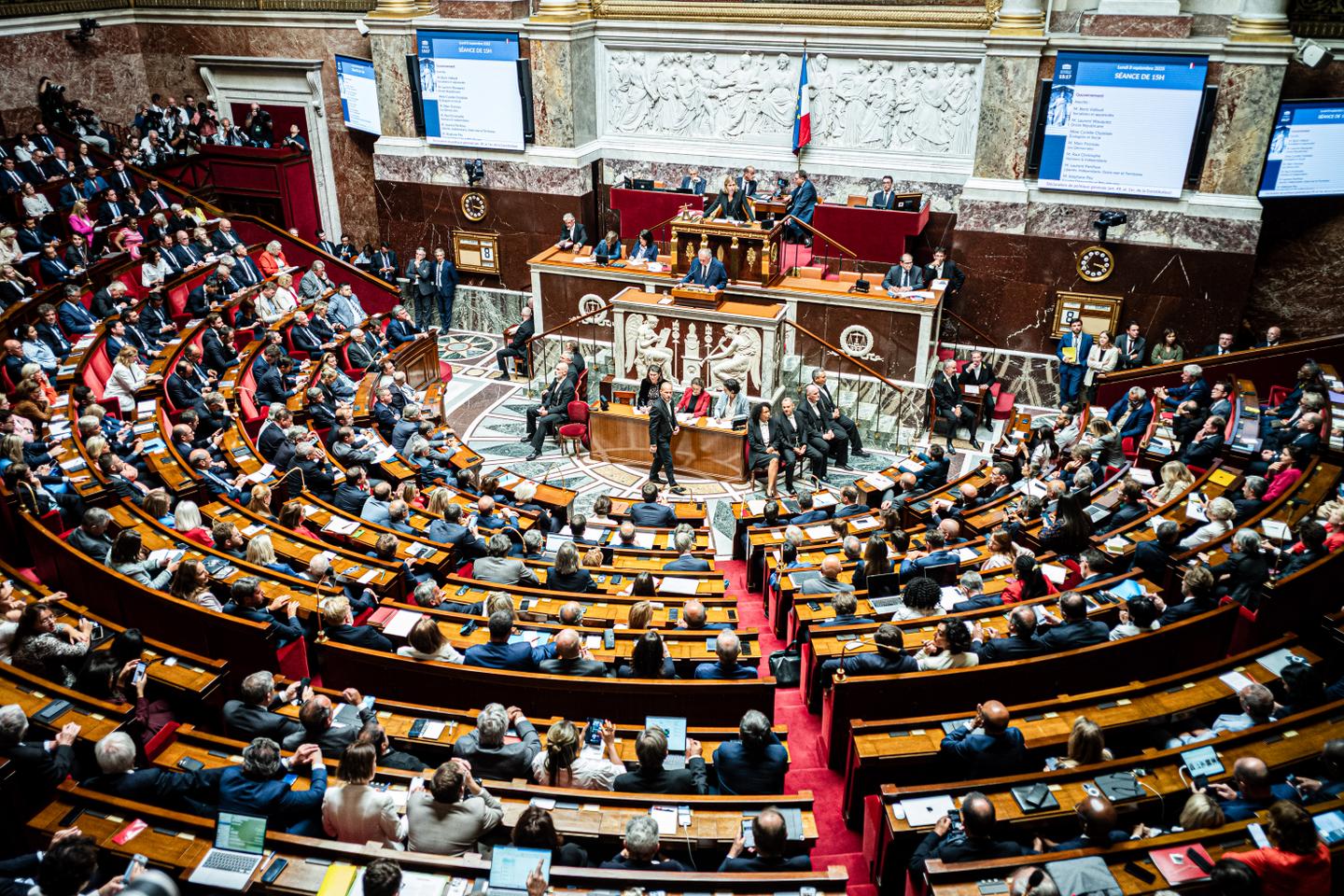
rench Prime Minister François Bayrou's decision to tie his government's survival to a vote of confidence in the Assemblée Nationale is perplexing. While the opposition was already preparing menacing motions of no confidence, the move is even more uncertain because the majority requirements are stricter when the government itself calls for a vote: a relative majority in favor [more votes for than against] in one case, and an absolute majority [more votes than half the total number of seats] against in the other. And in politics, the worst is never certain.
Subscribers only
French PM Bayrou scrambles to rally destabilized camp ahead of confidence vote
Should this announcement be seen as a form of evasion, typical of centrists, who have always felt uneasy in a Fifth Republic designed against them? Perhaps. There is also, certainly, a more personal dimension for Bayrou – a man who, for decades, was more accustomed to commenting on political life than acting in it, and who has been worn down by controversies (such as the Catholic school abuse scandal) and weakened by failures (such as negotiations with unions and business leaders on the pension system).