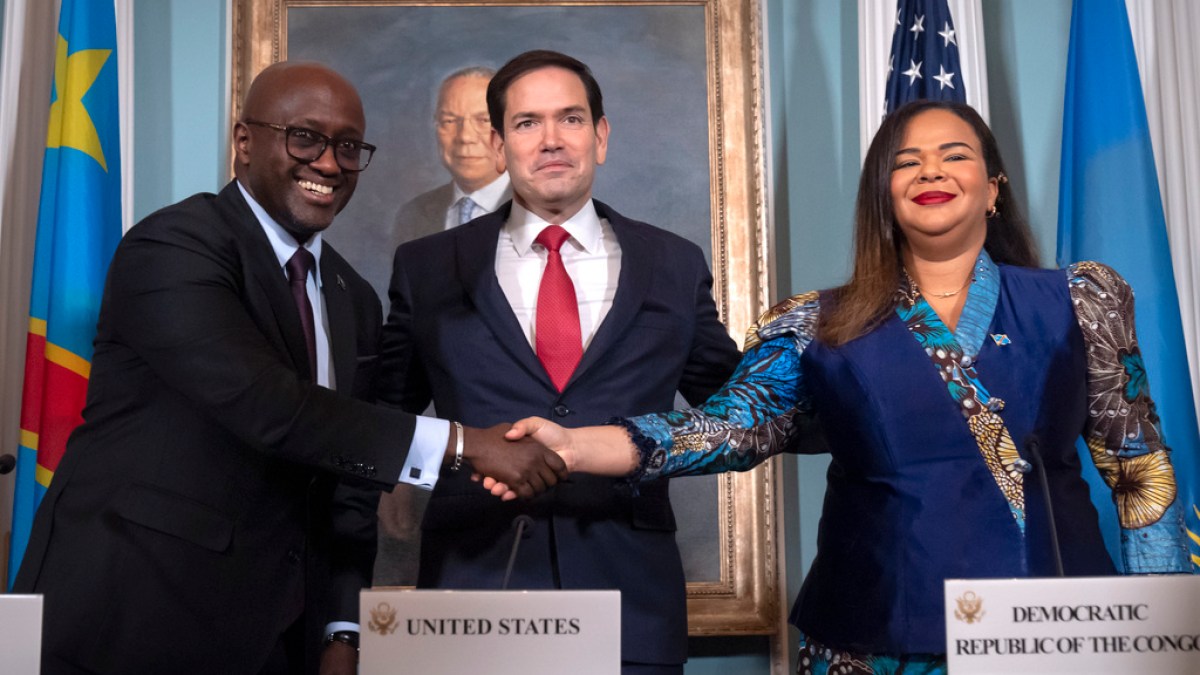
The Washington Agreement and the Doha Declaration of Principles face the same challenges as past mediation efforts.
By Sultan Al-Khulaifi
Senior Researcher at the Center for Conflict and Humanitarian Studies.
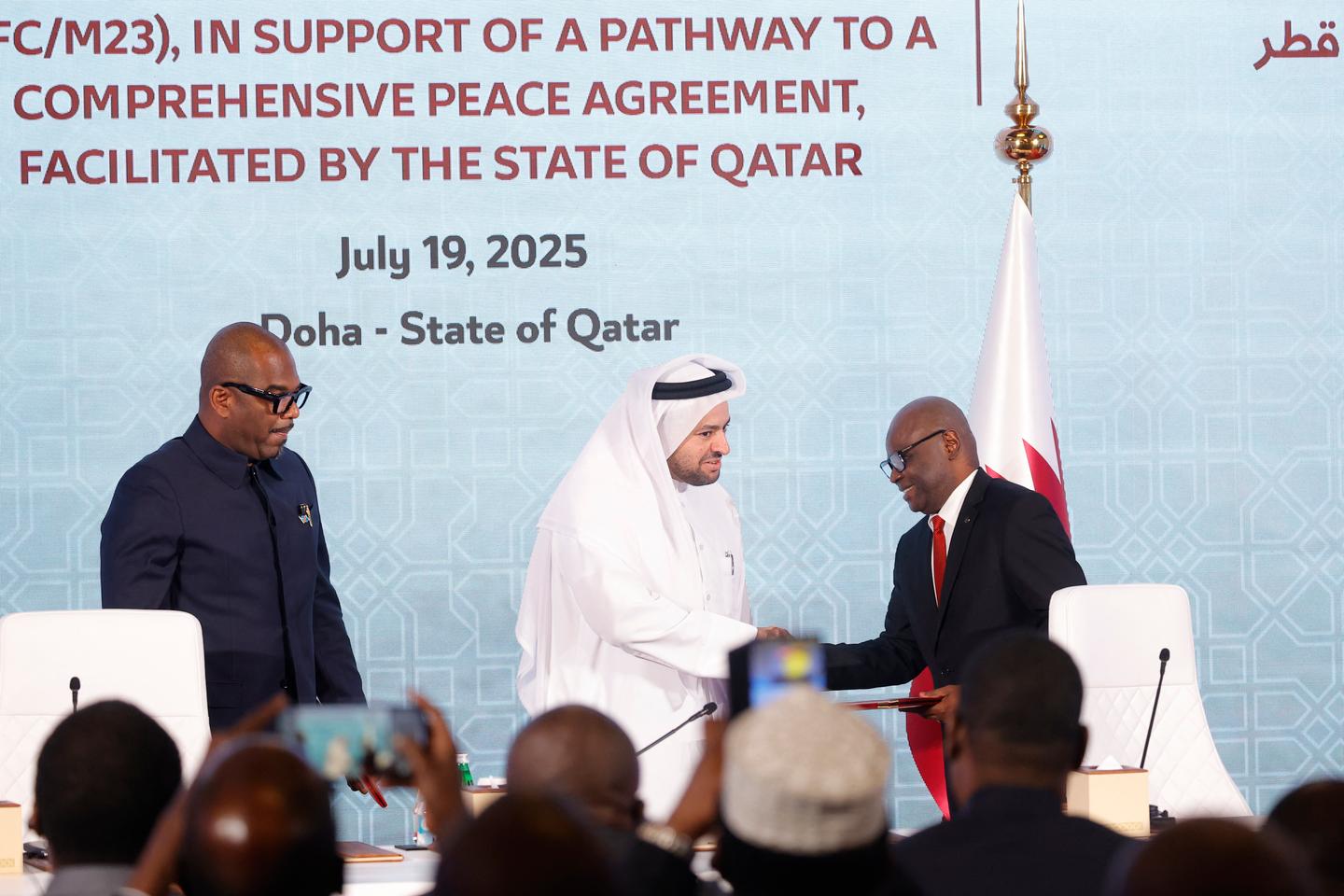
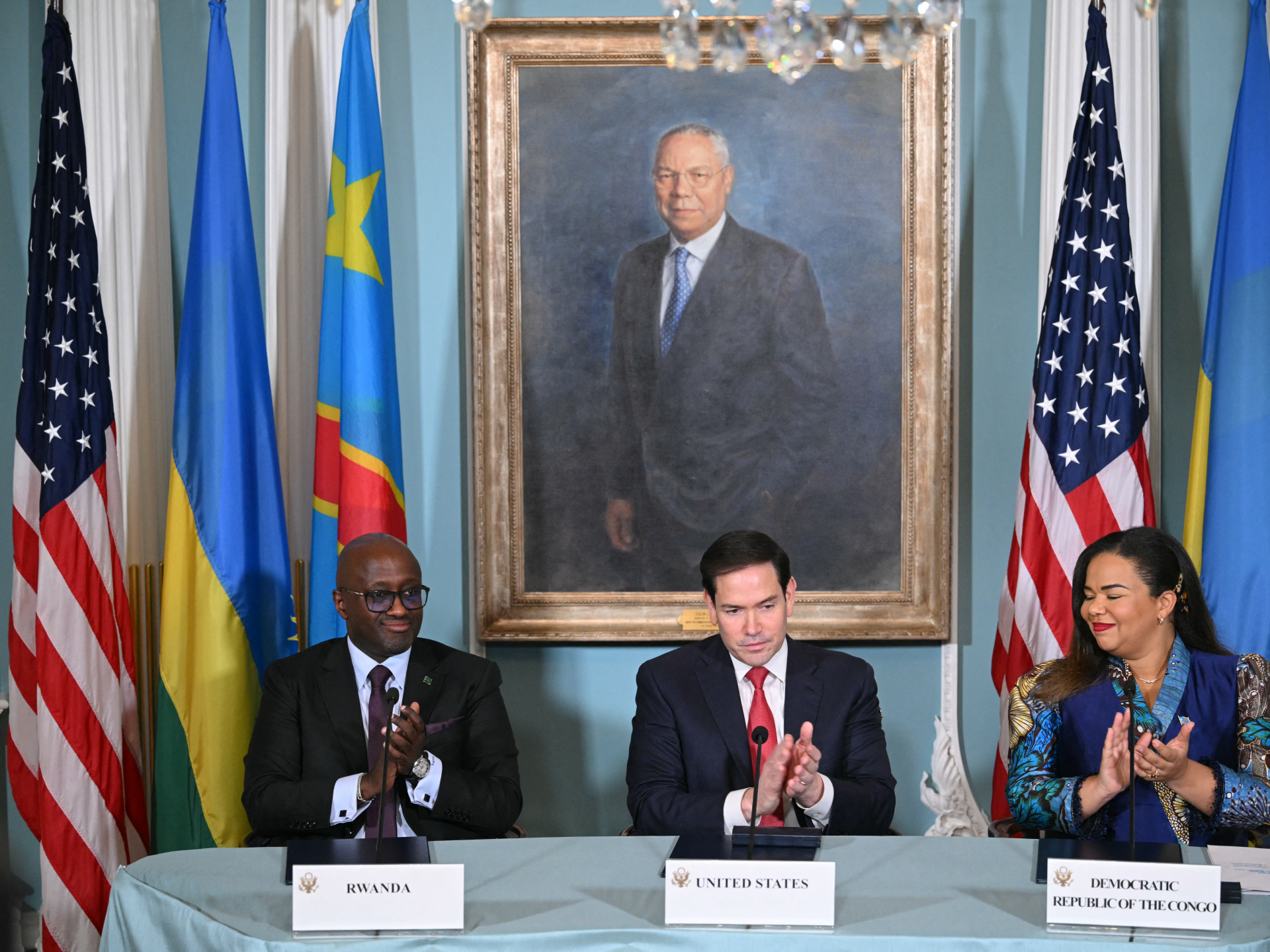
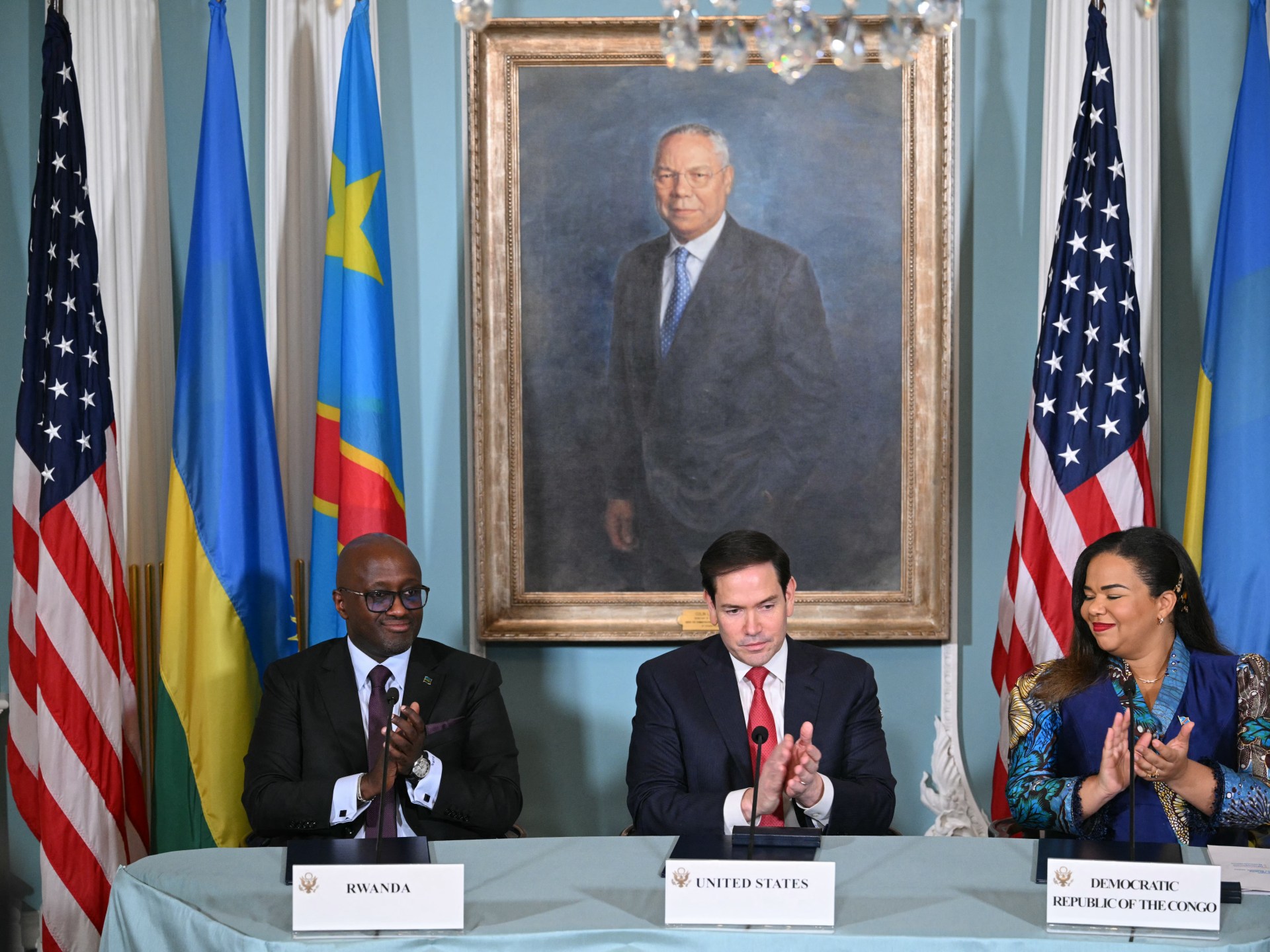
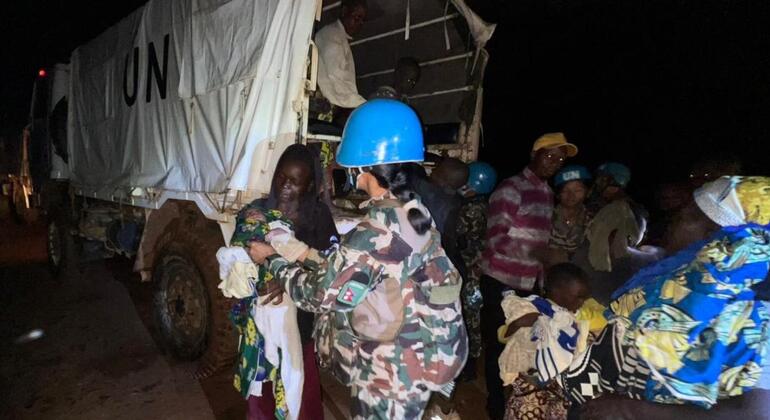
The conflict in the east of the Democratic Republic of the Congo (DRC) has historically been influenced by a variety of factors, including ethnic tensions, regional rivalries, and weak political institutions. Against this backdrop, the Washington Agreement signed between the DRC and Rwanda in June and the Doha Declaration of Principles signed by the DRC government and March 23 Movement (M23) in July represent a significant diplomatic achievement.
Facilitated respectively by the United States and Qatar, these agreements mark an unusual moment of alignment between the regional and local tracks to support a durable peace in the region. Their ultimate success depends on two critical factors: Credible implementation and the management of political narratives. Without sustained international oversight to ensure implementation and efforts to reframe adversarial discourses among elites and communities, the progress embodied in these agreements risks stagnation or reversal.