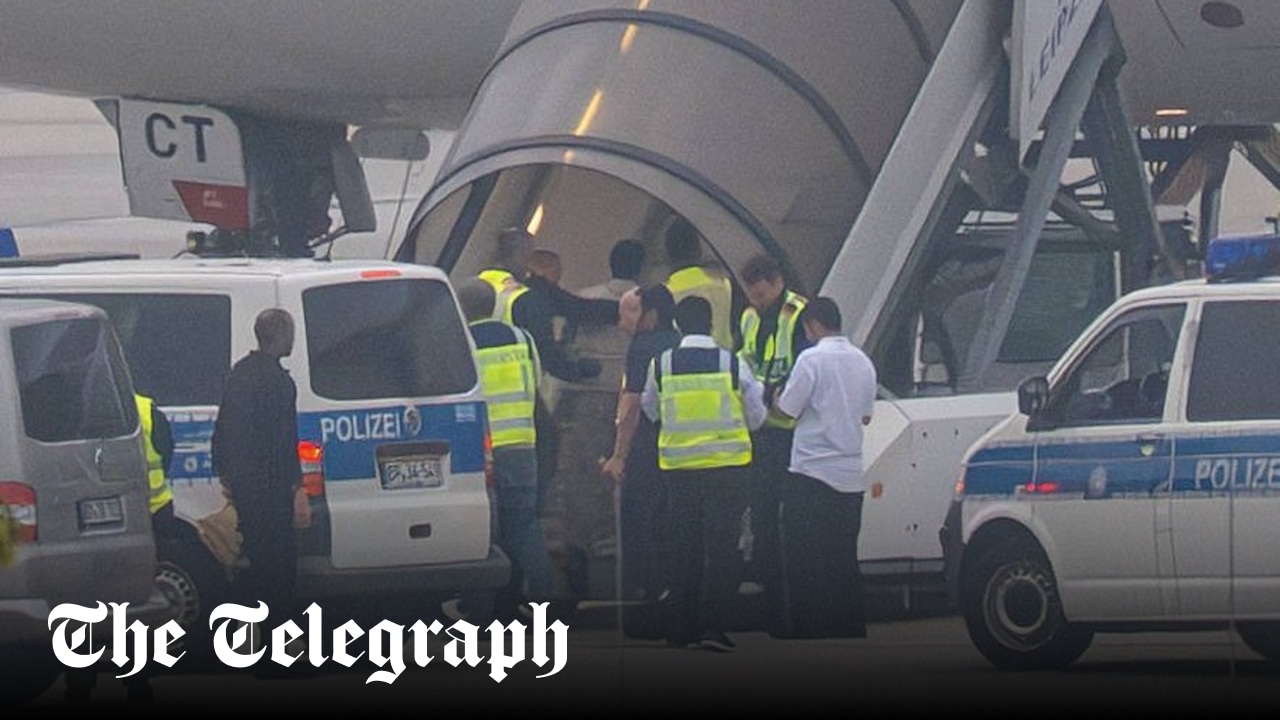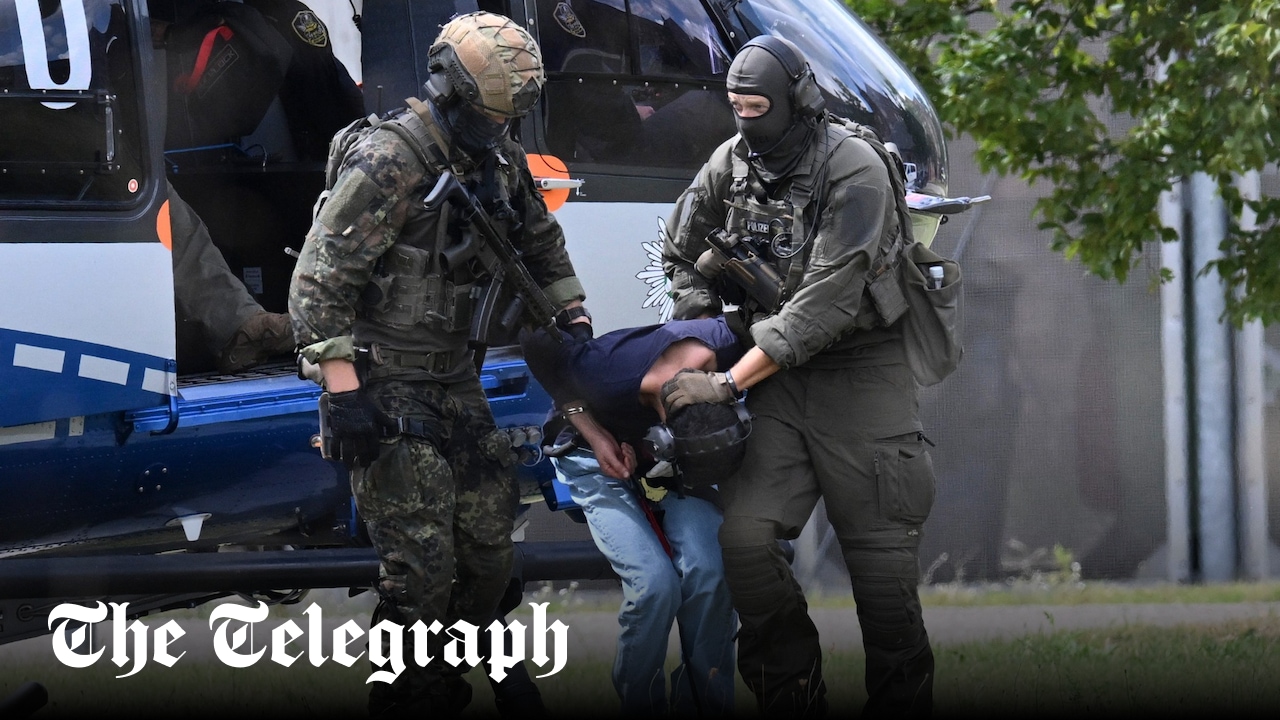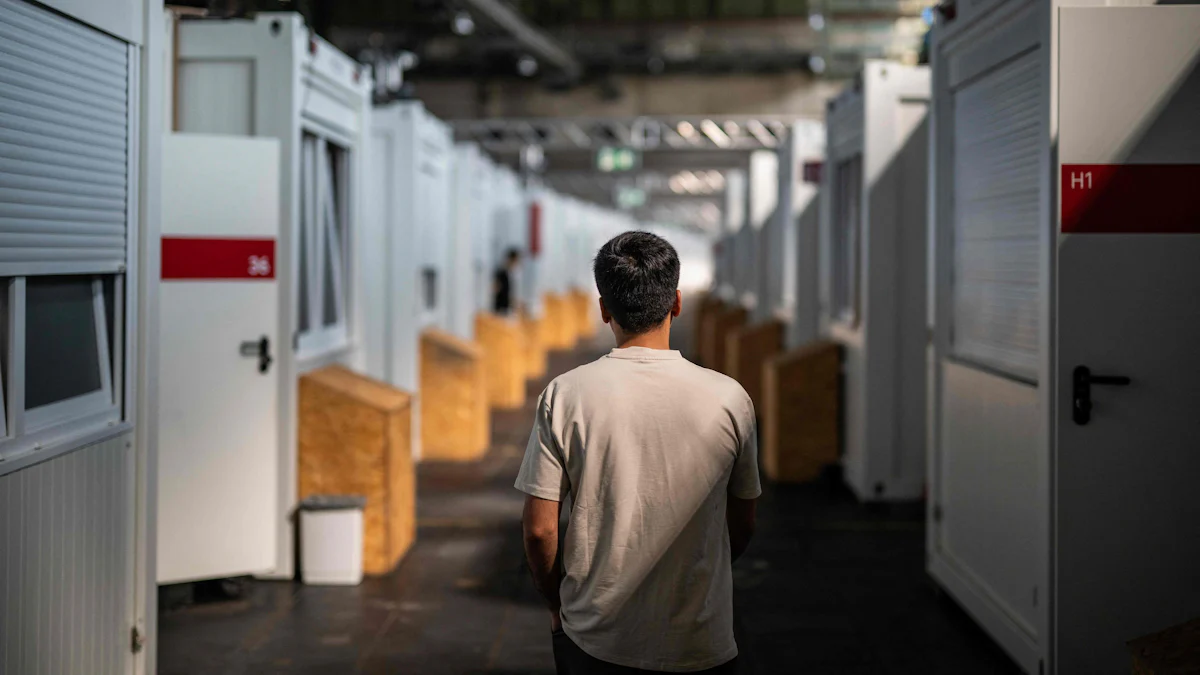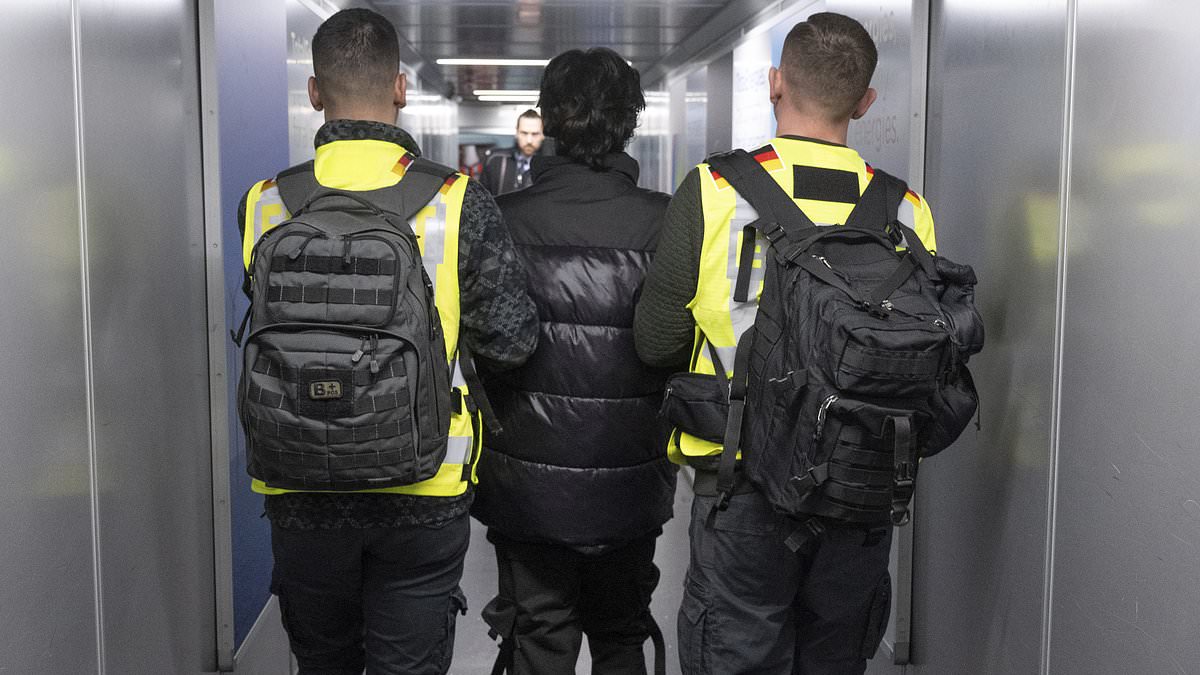
Joseph is hiding from Germany's deportation police. He is living in a small room borrowed from a friend, only daring to go out once a week for a secret visit to church.
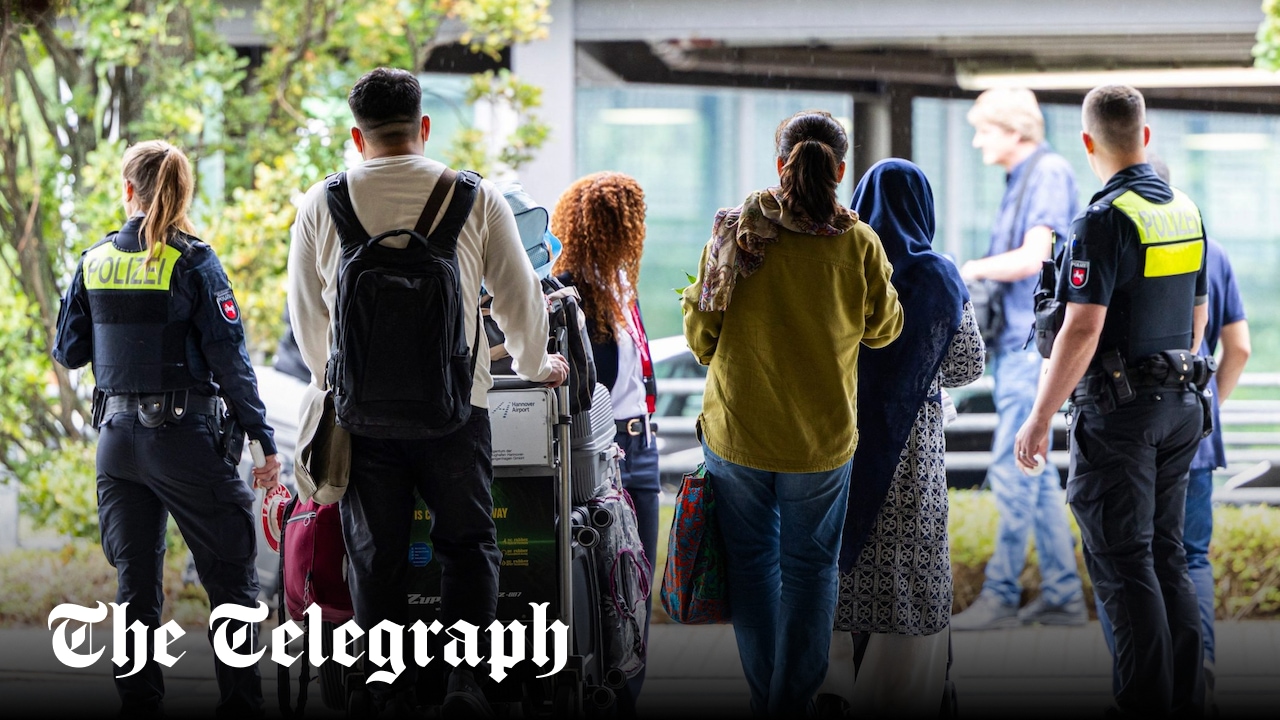
Even then, he gets a lift from a fellow worshipper rather than braving public transport. 'I am driven to the church and back,' he whispers down the phone to me. 'I cannot go on the tram, the train or the bus because the police may see me. They want to take me to the airport and deport me back to Nigeria.'
Joseph, a talented musician, appears to be a decent man, but he is unlikely to get much sympathy in Germany. The country has turned its back on mass immigration as the economy falters, crime soars and the government shells out 'refugee-related expenses', including benefits, of £25 billion a year.
He is among the millions who entered after Chancellor Angela Merkel's momentous decision in 2015 to open Germany's borders to Syrian refugees – and, as it turned out, those of any country who knocked.
One in five of the migrants claim benefits. Nearly half of those who arrived never went to school in their home country or left before passing any exams, so they can only find menial jobs. Two out of three of the female arrivals are unemployed. In schools, teachers are faced with teenagers (some of whom have been here since they were babies) who struggle with the most basic German.