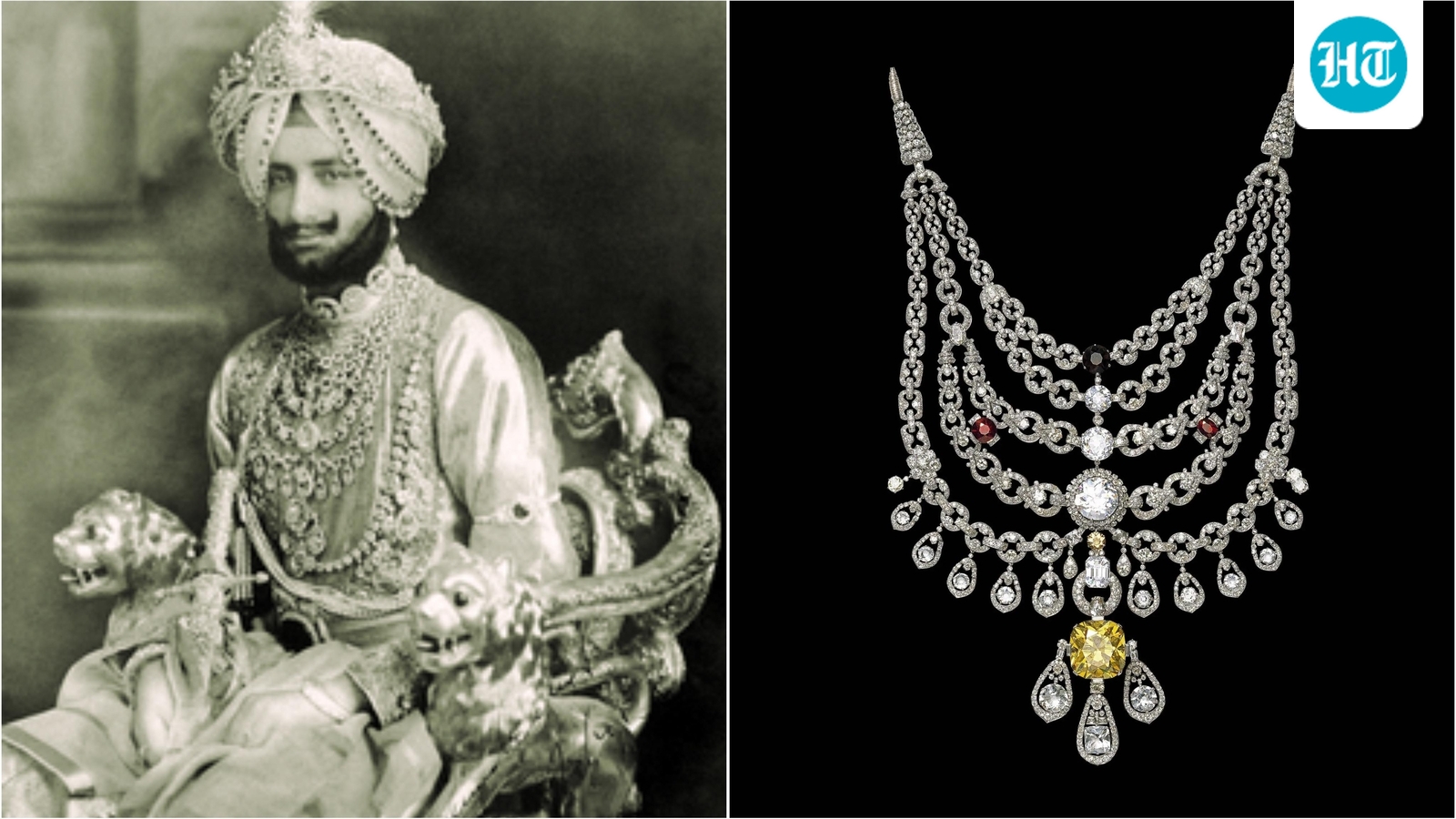
Madras Week can be quite exhausting, but it is also a learning experience. Among my speaking assignments this year was one on gems and jewels of Madras. I dwelt on the usual suspects – Yale and the rubies, Samudra Mudali and his corals, Thomas Pitt and what became the Regent diamond, and the story of the Orlof, thought at one time to be stolen from Srirangam but now more or less agreed as being the Great Mogul Diamond. But it was when I reflected on the Pigot diamond that I realised that the stone and its owner met with similar fates.
George, first Baron Pigot, was Governor of Madras twice and in both tenures his corruption and greed were such that it even surpassed Clive’s. It is just that, unlike the latter, he did not live to tell the tale. Pigot joined the East India Company in 1736 when he was just 17 and rose to become Governor of Madras in 1755. Having presided over the siege and decimation of Pondicherry, he returned to England in 1763 where he was elevated to the peerage, acquired a stately home and became a member of Parliament. In 1775 he was back as Governor of Madras, this time to arbitrate between the Thanjavur Raja and the Nawab of Arcot. In this, probably bribed heavily by the Raja, he championed his cause, much to the irritation of his council. He was deposed, sent off to St. Thomas Mount and died there under mysterious circumstances.