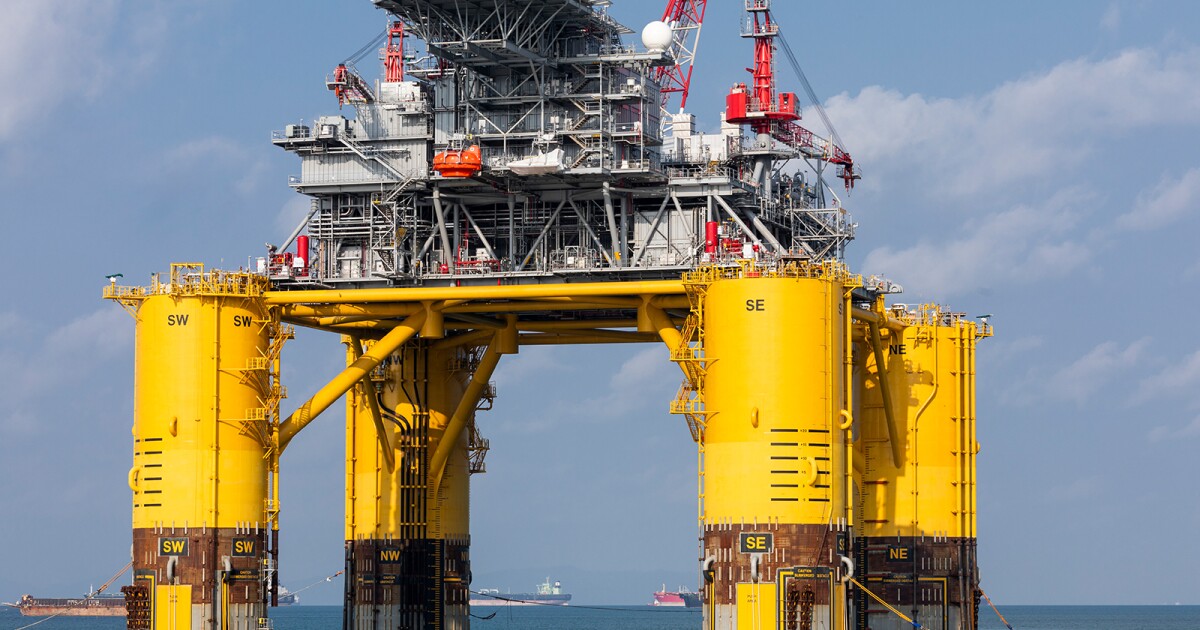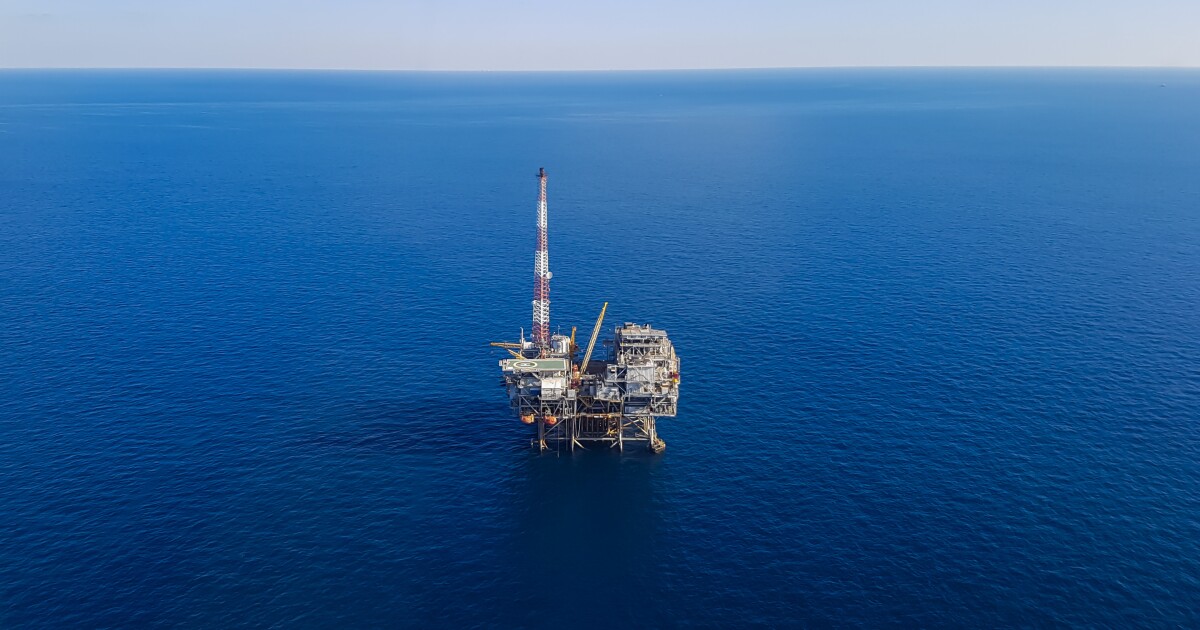
The US Gulf of Mexico holds a prominent place in the global upstream portfolios of its three biggest producers — Shell, BP and Chevron — delivering a steady stream of high-margin crude oil. All three majors are working to prolong the life and maximize the output of their legacy assets in the US Gulf while continuing exploration work that still leads to some material discoveries. Below, we review their recent and planned activity in the US Gulf and look at some of the region's other top producers.
Chevron has been riding high lately after prevailing in its arbitration case with Exxon Mobil and sealing the acquisition of Hess. The merger will lift Chevron's production in the US Gulf by some 40,000 barrels of oil equivalent per day and will also make it the largest holder of leased blocks in the region, according to CEO Mike Wirth. In April of this year, Chevron started up the Ballymore field, the last of three developments that were expected to increase its net production in the US Gulf to 300,000 boe/d by 2026, excluding any contribution from Hess.
Chevron strategy chief Mark Nelson noted on the company's second-quarter earnings call that 80% of the expanded portfolio of US Gulf leases lies within tie-back range of existing infrastructure, which allows smaller discoveries to be developed at relatively low cost. For example, Ballymore was tied back to the company’s existing Blind Faith platform. Chevron also achieved an important milestone in the US Gulf last year with the start-up of its Anchor field, the first in the world to make use of "20k" technology that allows the industry to work safely at deepwater pressures of up to 20,000 pounds per square inch.