https://arab.news/buyfz
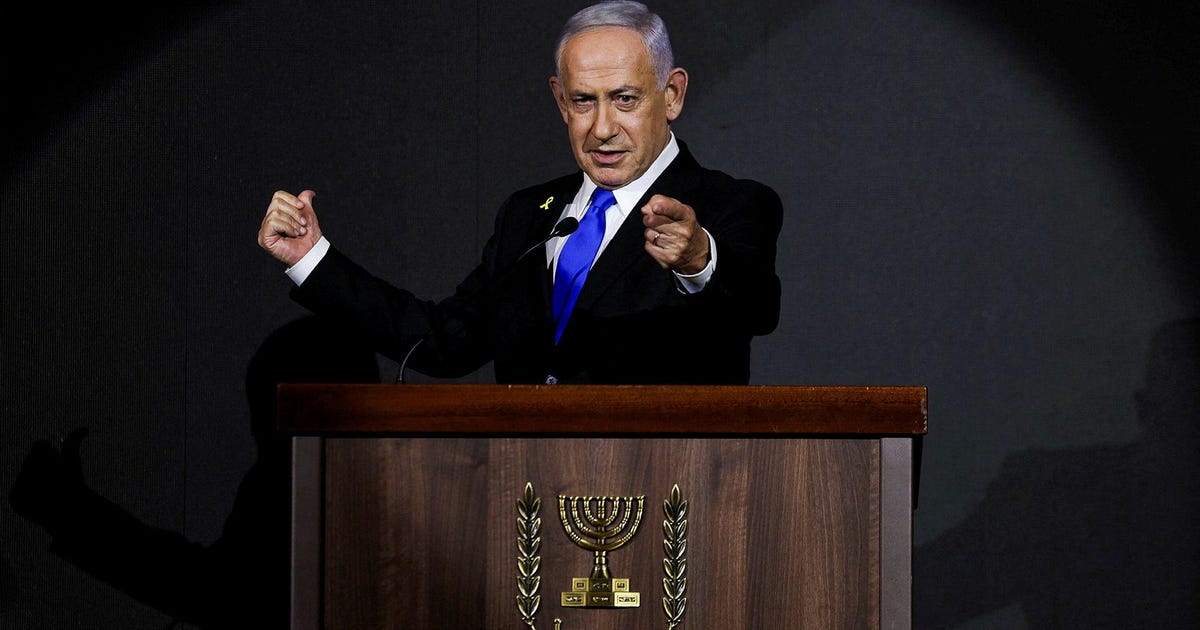
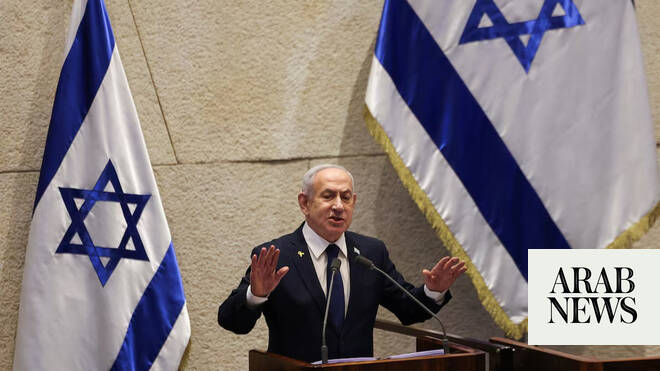
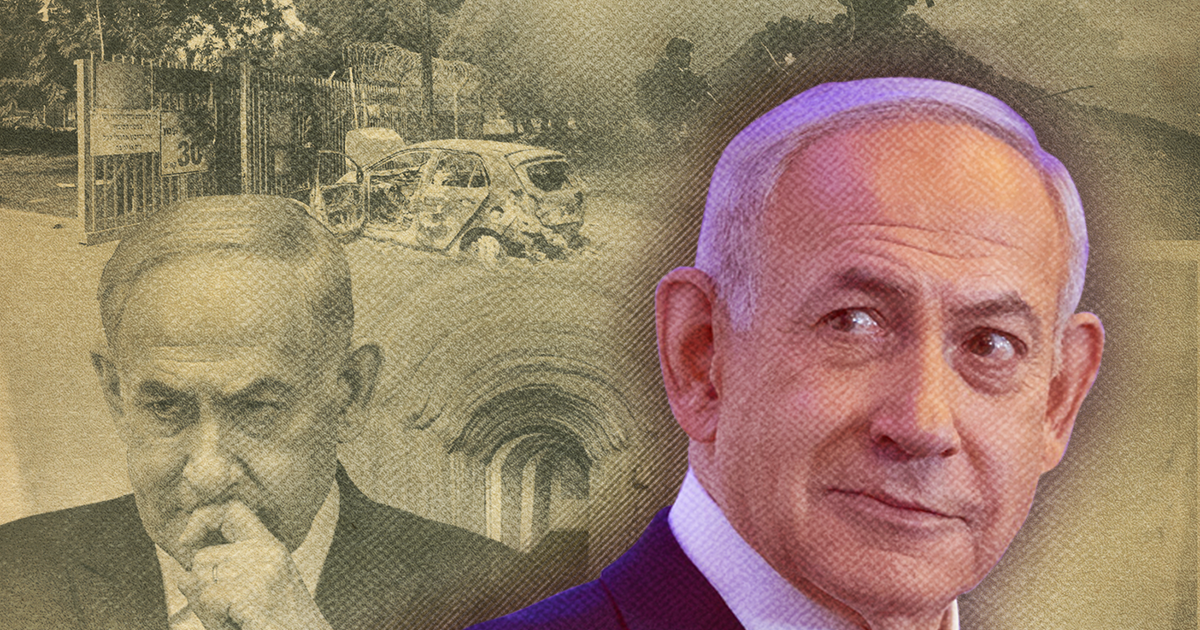
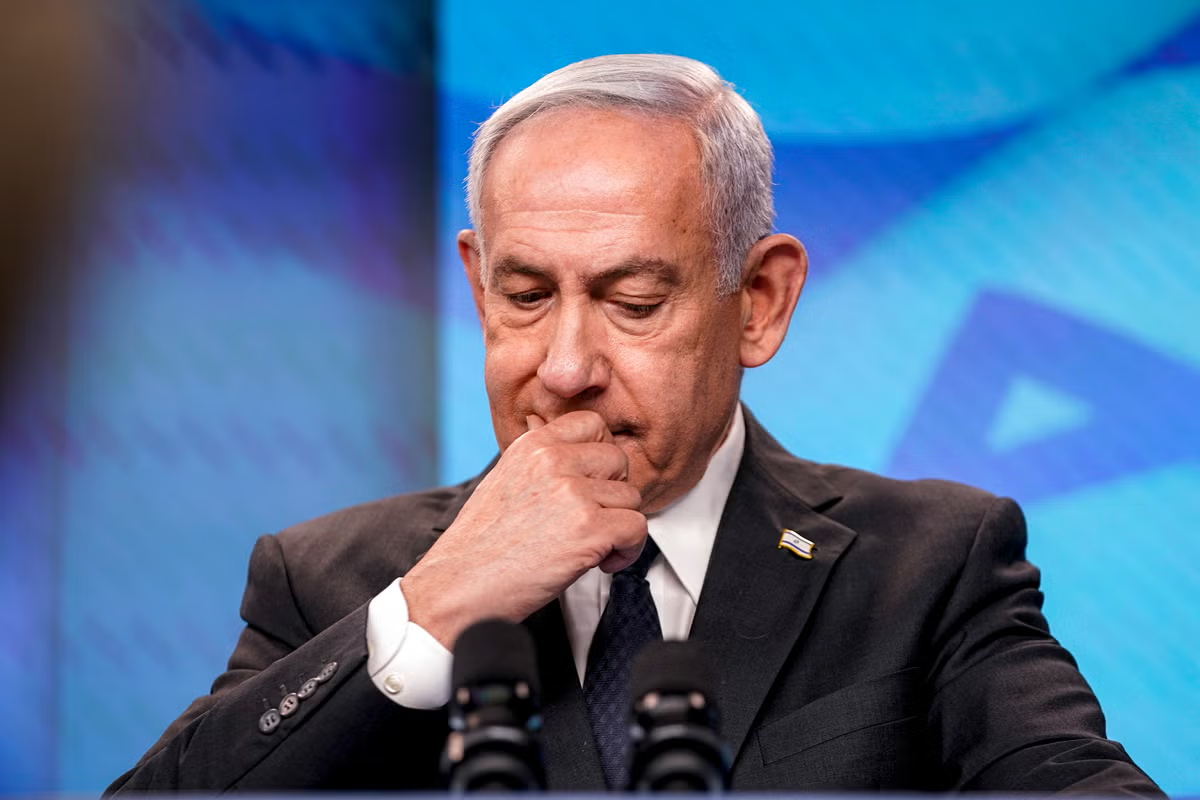
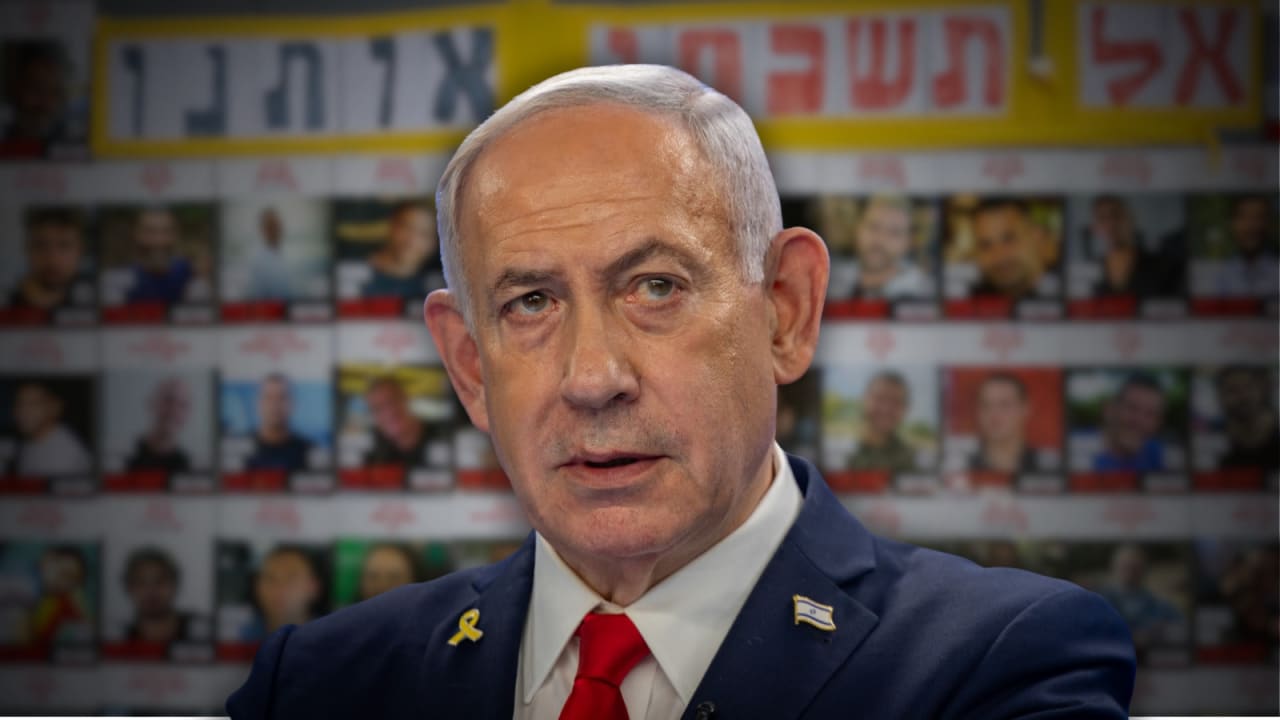
Israeli Prime Minister Benjamin Netanyahu was reported to have been paralyzed for hours, if not days, following the Hamas attack on Oct. 7, 2023. If anyone knew that his entire paradigm of containing the threat emanating from this Islamist movement, and more generally the Palestinian issue, had collapsed in a matter of a few hours, it was he. Netanyahu has always been more of a politician and tactician than a statesman and strategist, not because he could not be the latter but because his opportunistic character has dictated that he opt for what will gain him power and help him to retain it.
These opportunistic instincts helped Netanyahu to gradually recover from the early shock of Oct. 7, aided mainly by military successes on other fronts, whether it was dealing a severe blow to Hezbollah in Lebanon or reducing the capabilities of Syria and the Houthis in Yemen. And finally, the 12 days of war with Iran when, despite sustaining losses by Iranian missiles, Israel showed its military superiority and ability to hit almost any target in the territory of its main regional enemy.
However, this still leaves a number of questions unanswered. Is Israel more secure today than it was before this near two years of multifront war? Has its overall strategic situation in its relations with the region and beyond improved or worsened? To me, the answer on both accounts is no.