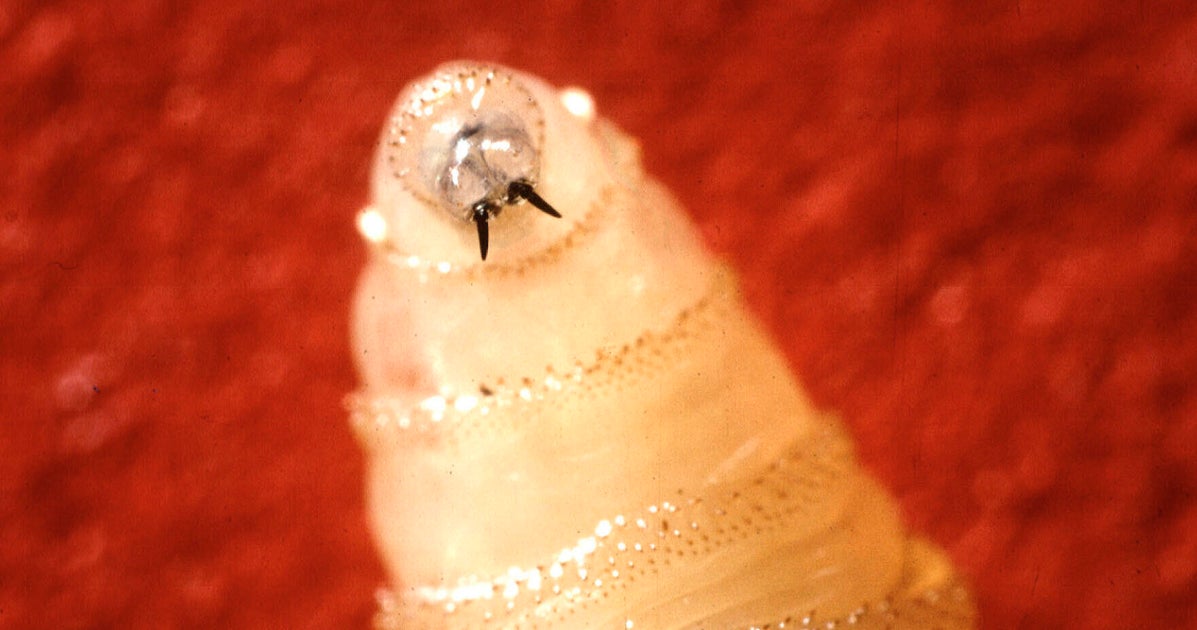
A human case of a flesh-eating parasite, called New World screwworm, was reported in the U.S. this month, the U.S. Department of Health and Human Services said on Sunday.
The case involved a patient who returned to Maryland after traveling to El Salvador, HHS told Reuters. The Centers for Disease Control and Prevention confirmed the diagnosis on Aug. 4, the publication reported. It’s the first U.S. case linked to travel from a country with a current outbreak. Maryland health officials told The Associated Press that the patient has recovered and that no transmissions to other people or animals were found.
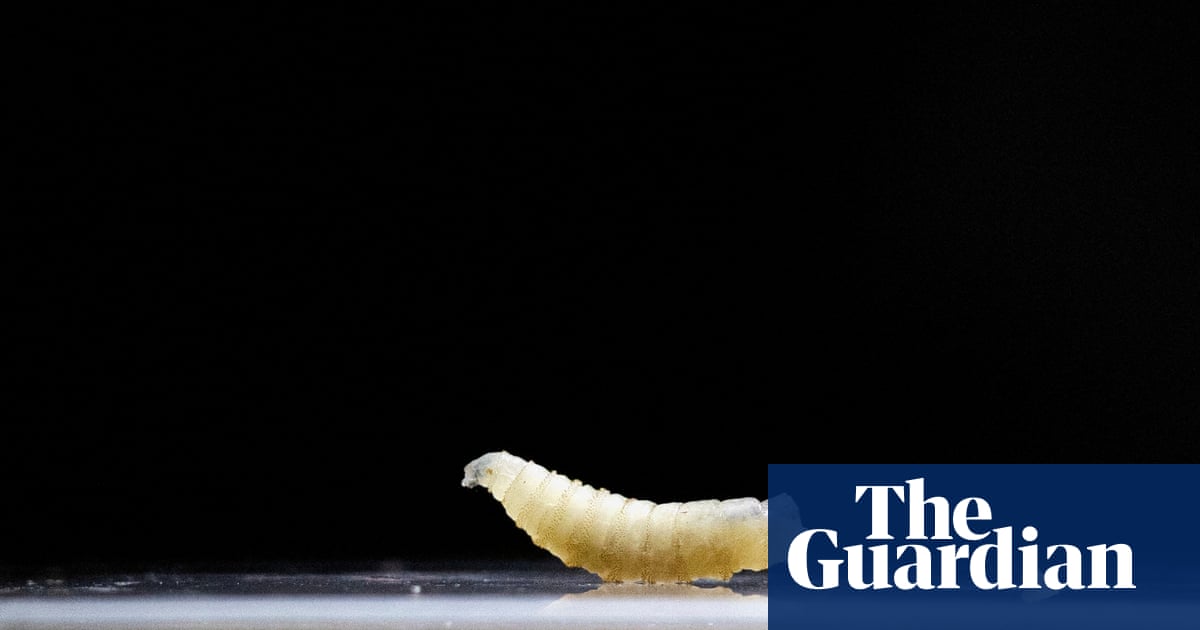
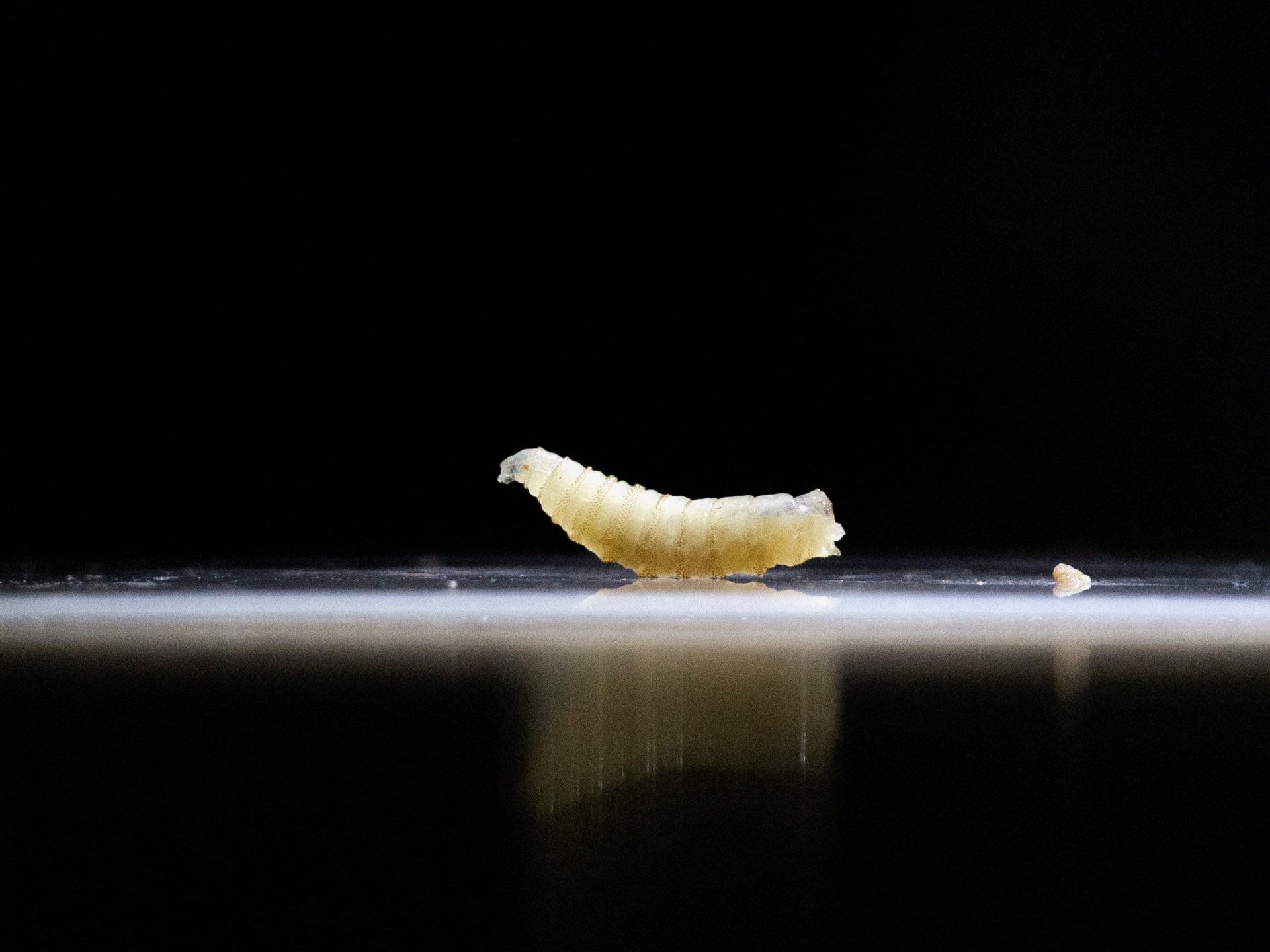
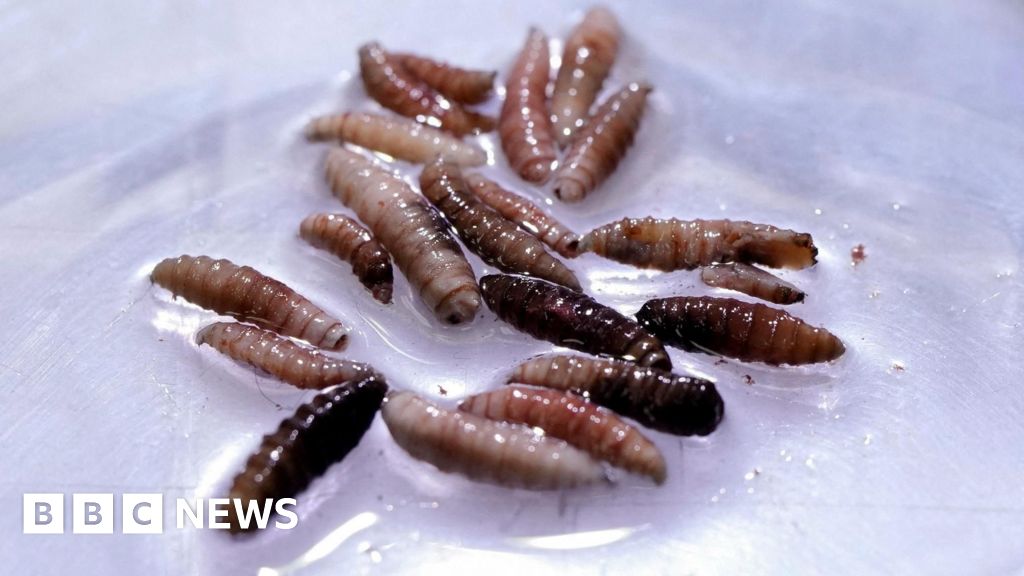
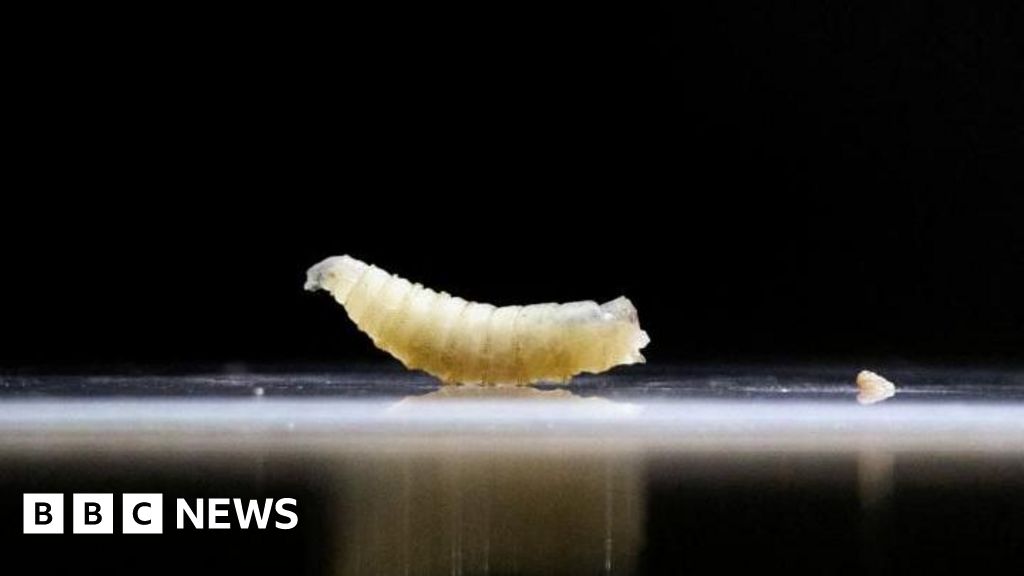
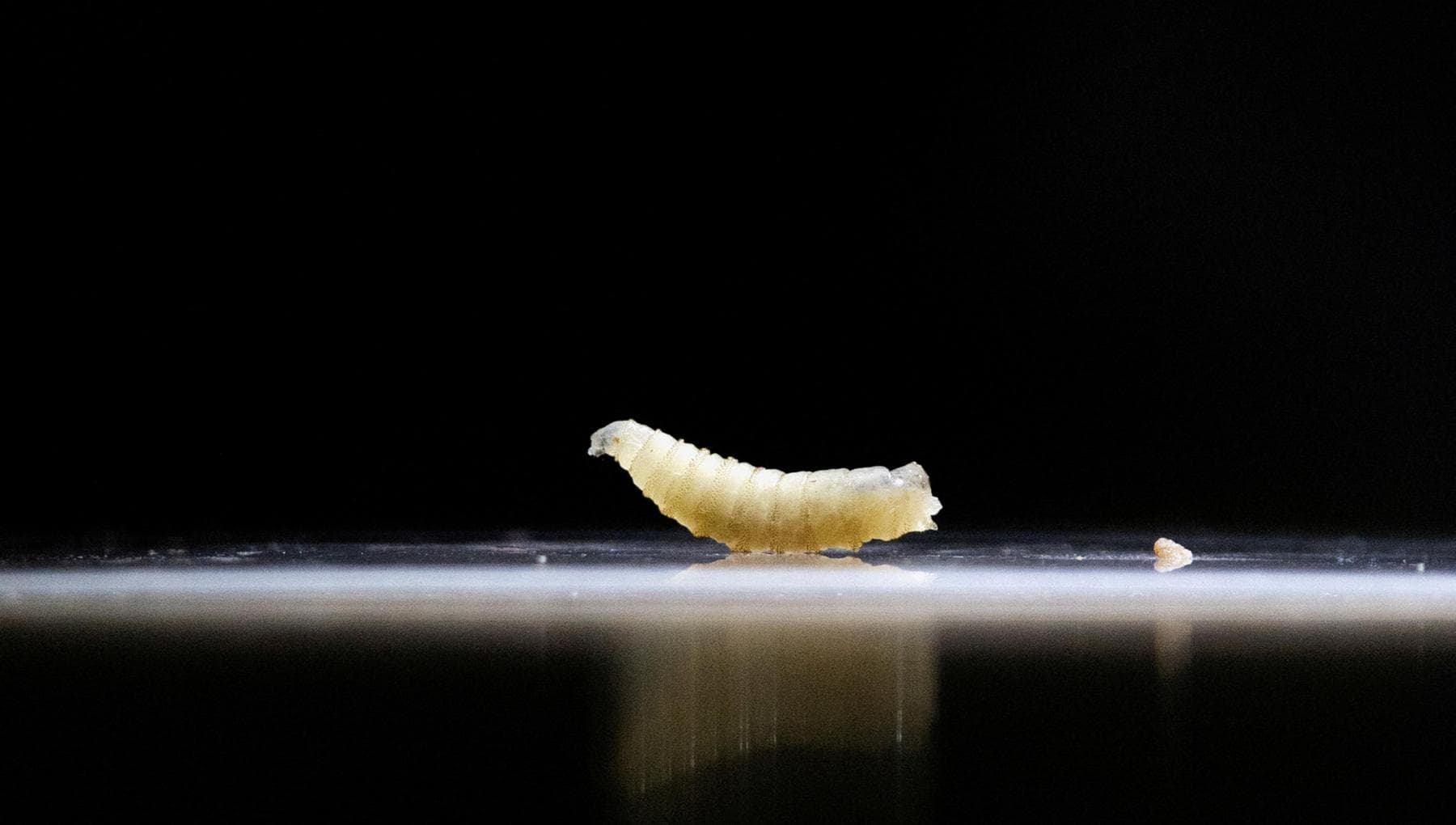
A New World screwworm infestation occurs when a NWS fly larva infests the living flesh of a warm-blooded animal, according to the CDC, which adds that female screwworm flies “lay their eggs on and in open wounds and mucous membranes,” and they can lay 200 to 300 eggs at a time.
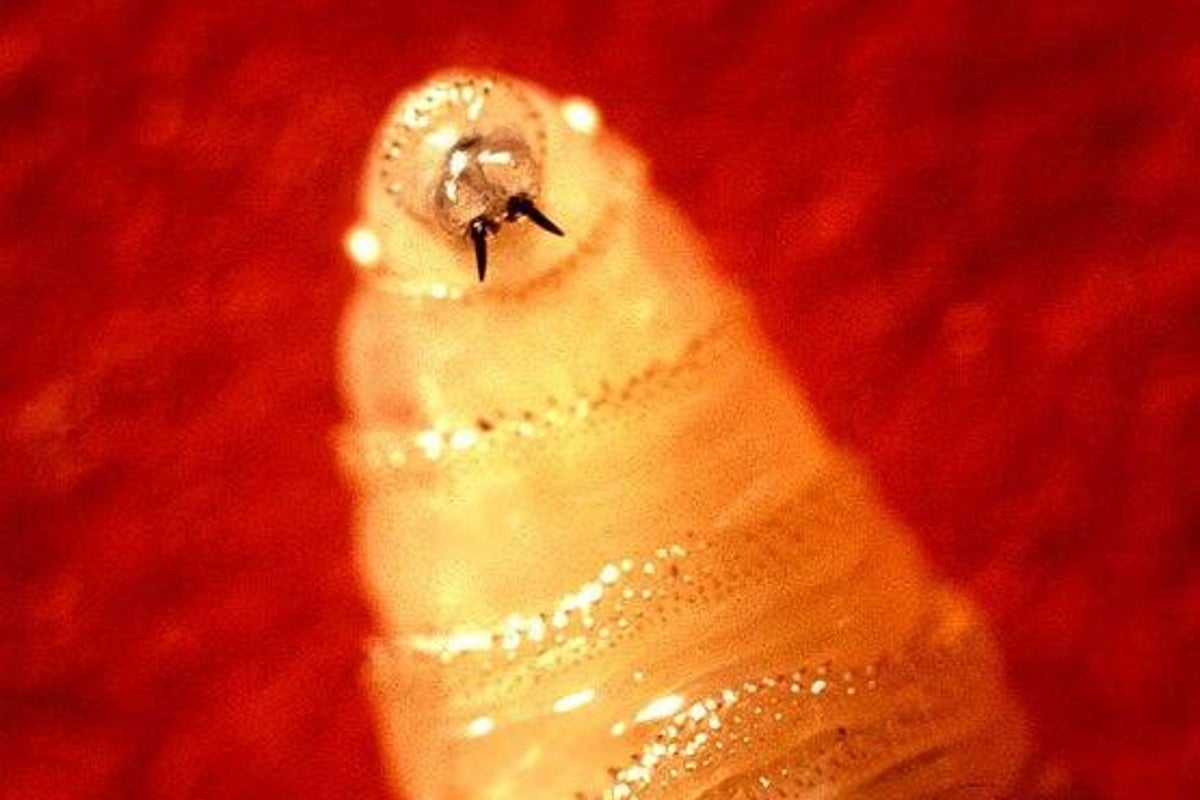
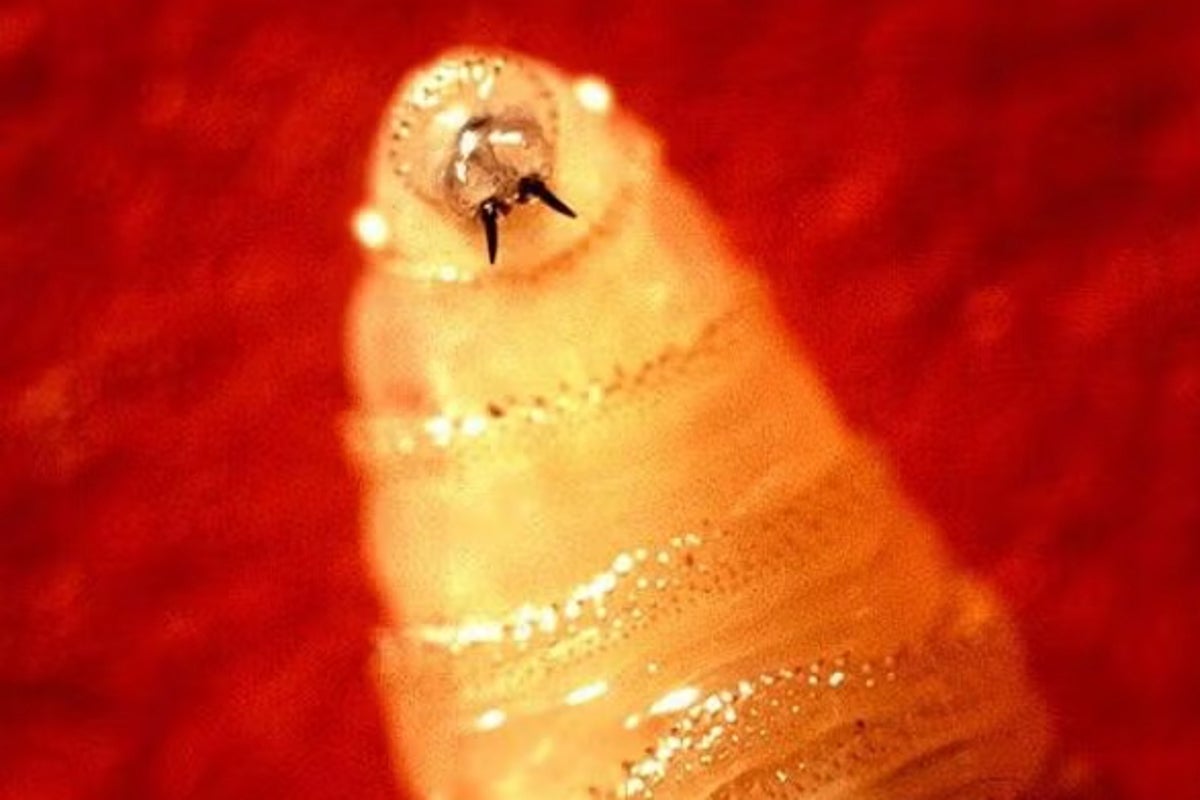
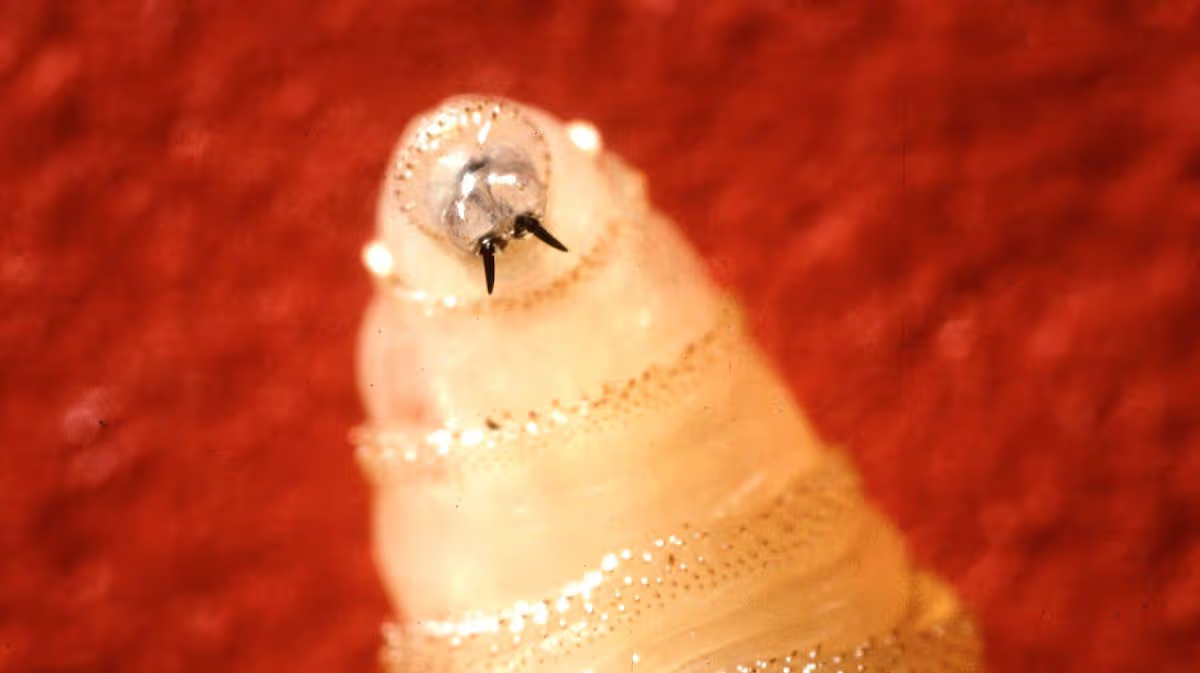
The agency adds that the fly’s larva causes “extensive damage” by burrowing into its host’s tissue with “sharp mouth hooks.”
“The wound can become larger and deeper as more larvae hatch and feed on living tissue,” the CDC states. “As a result, NWS can cause serious damage to the animal or person it infests. Bacterial superinfection can also occur because of the NWS infestation.”