For many school districts, it's wasn't a very quiet summer.
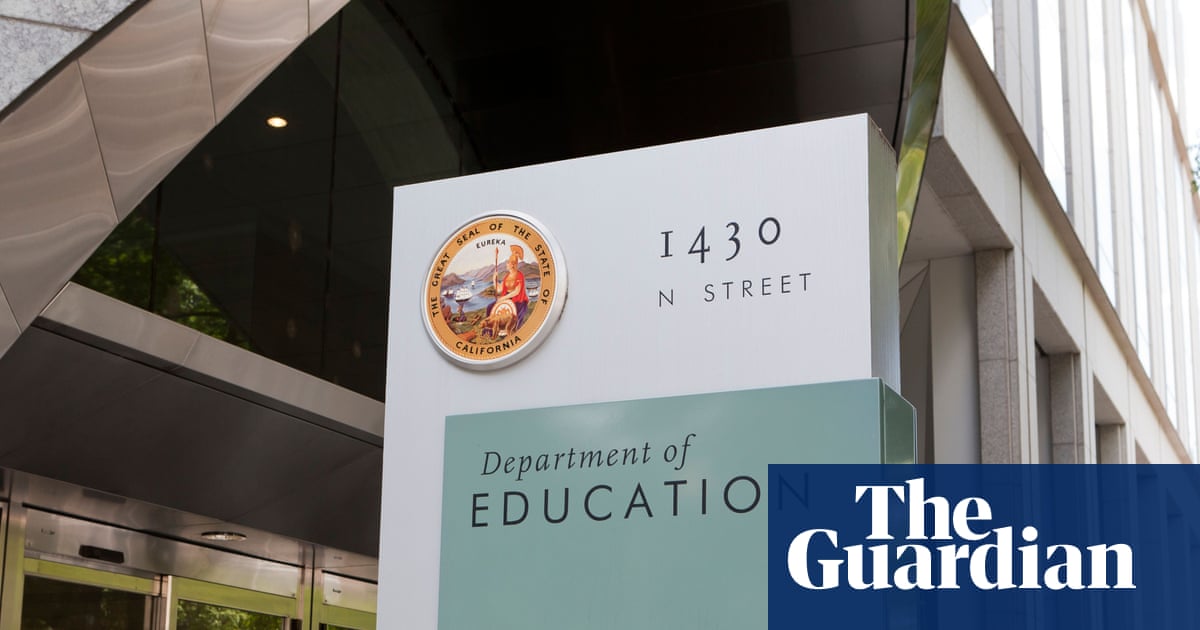
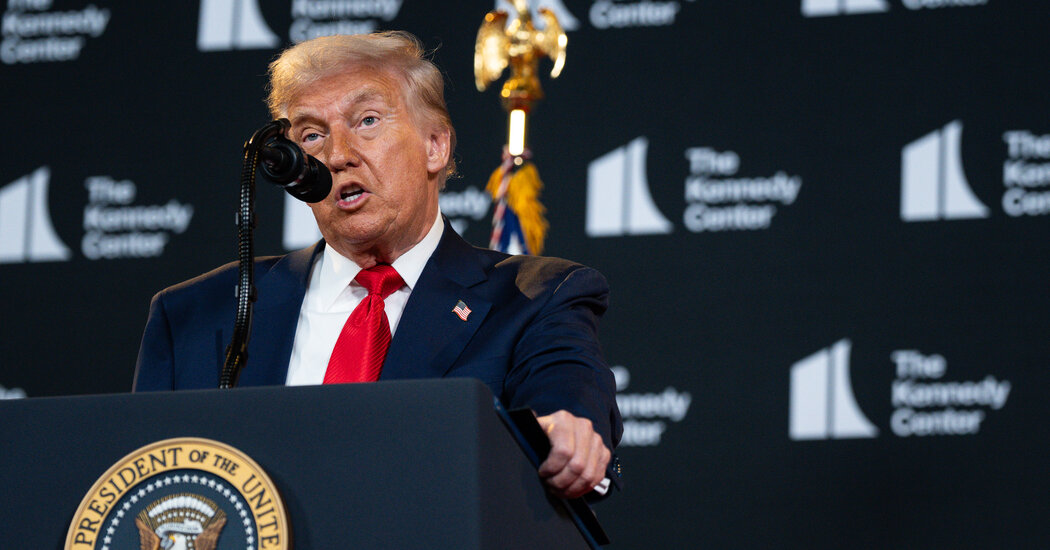
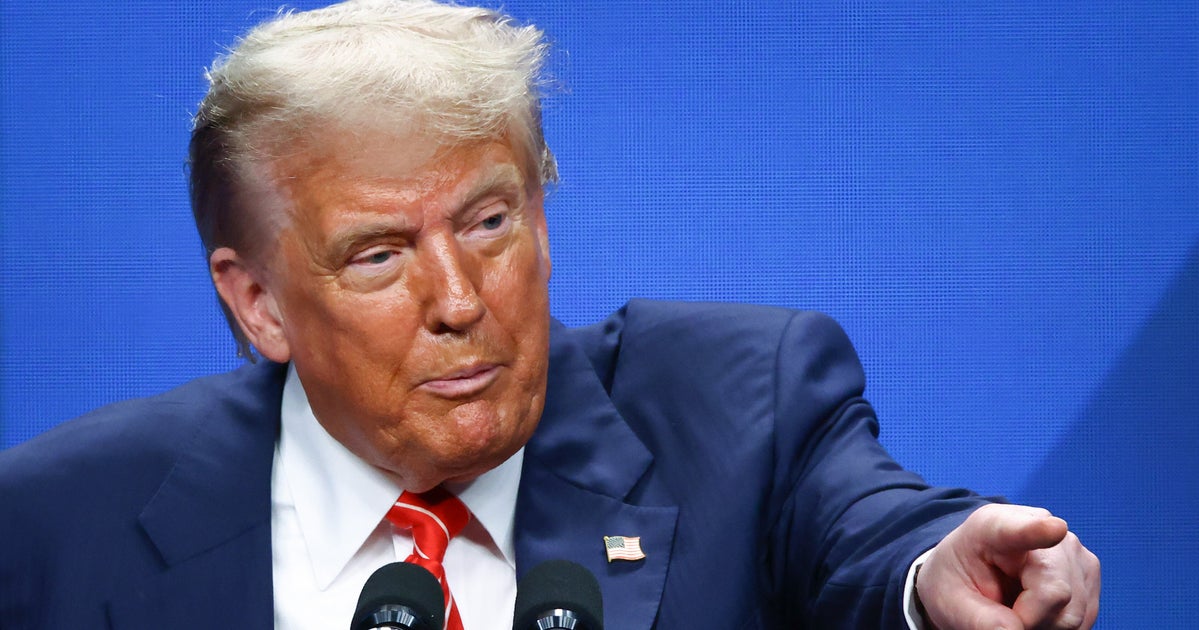
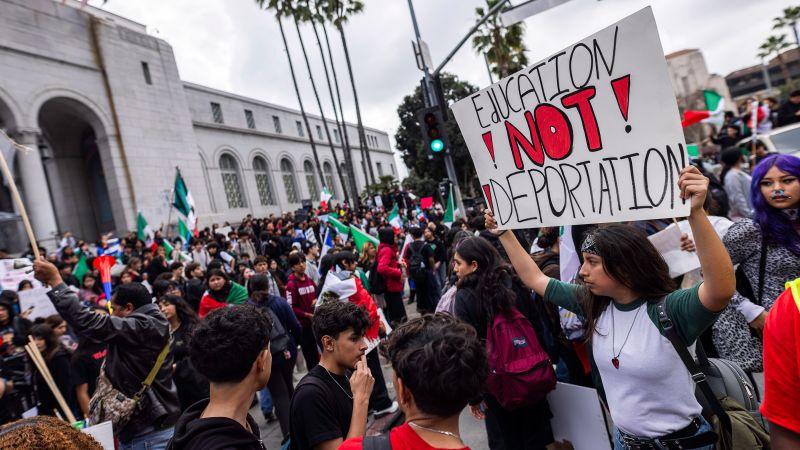
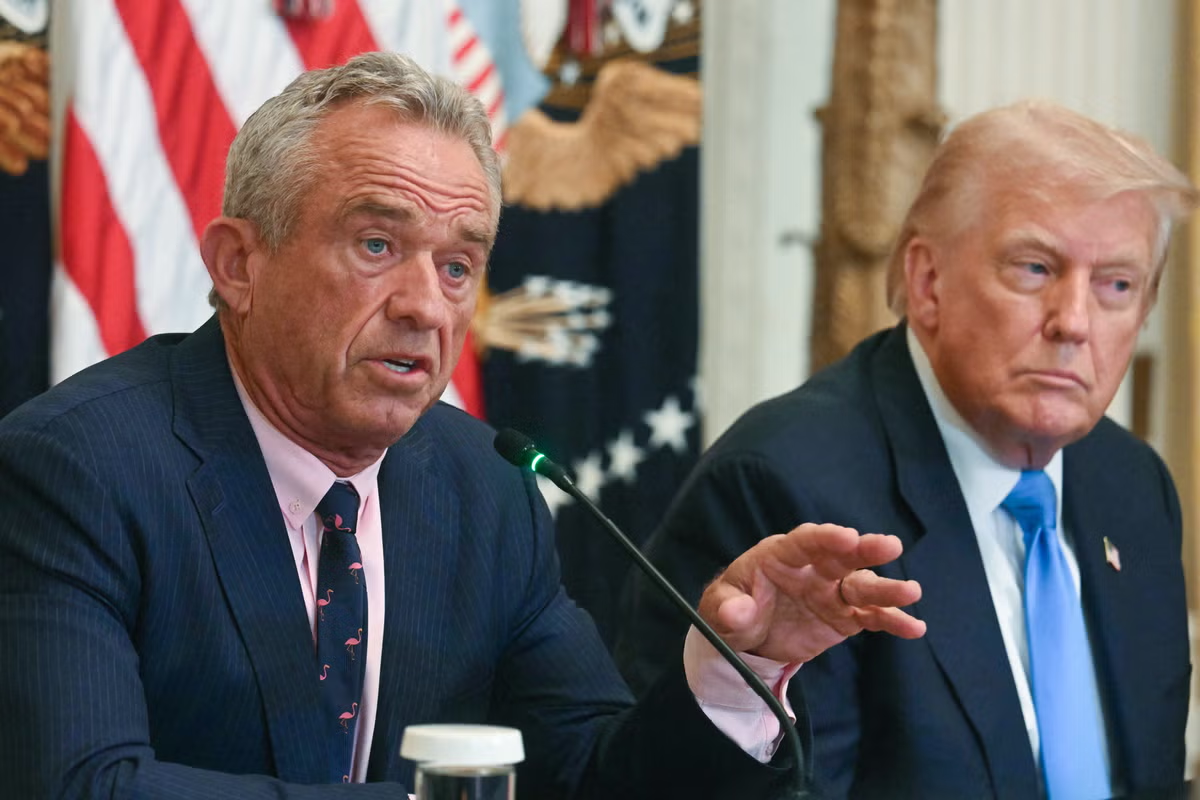
Uncertainty over the future of federal grants made it harder for superintendents and school boards to budget. Students and teachers were deported, or faced threats of removal from the country. And the spectre of government investigations loomed large, as the Trump administration cracked down on schools with LGBTQ-inclusive policies and diversity programs.
All those changes have many parents concerned about what this year could bring, said Yvonne Johnson, president of the National Parent Teacher Association.
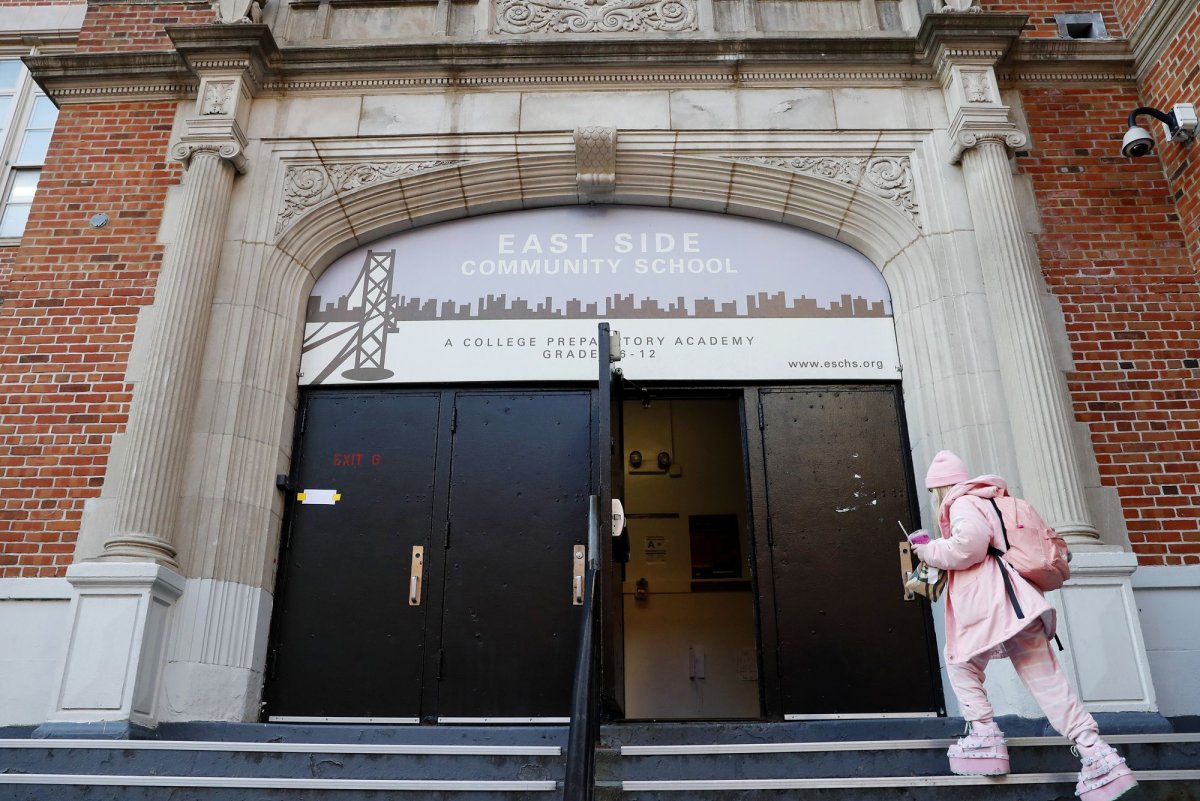
Despie those anxieties, it's important to remember that public K-12 schools – where most kids in America are educated – are primarily run at the local and state level. Property taxes and legislatures provide most of the money on which they rely (though funding formulas can vary a lot by school).
On average, districts only get about 1/10 of their annual budget from the federal government, which has no role in setting curriculum in the classroom (despite what some politicians like to imply).