https://arab.news/22rf4
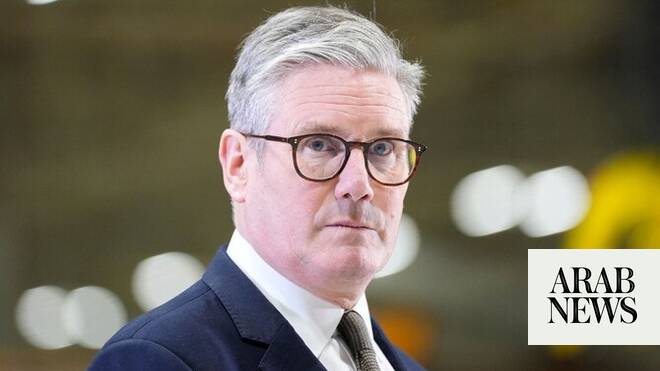
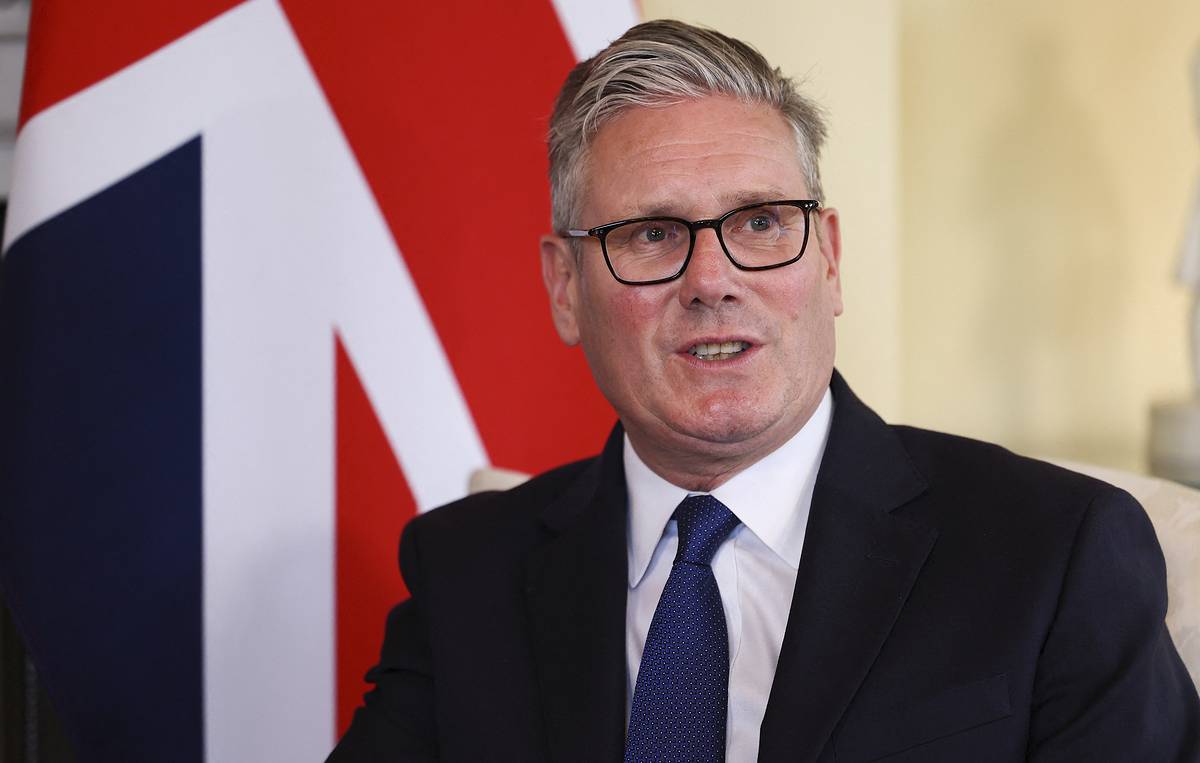
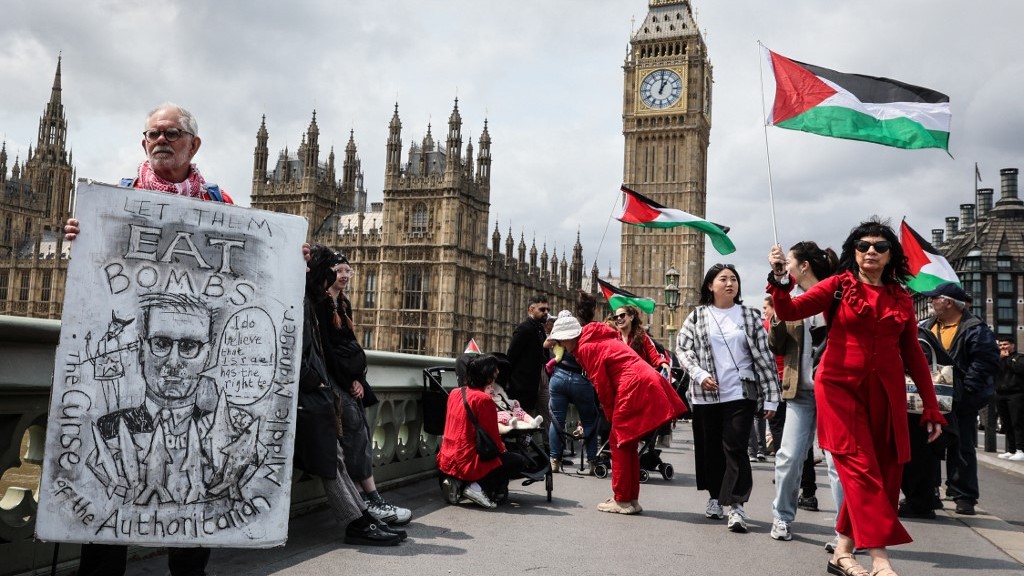
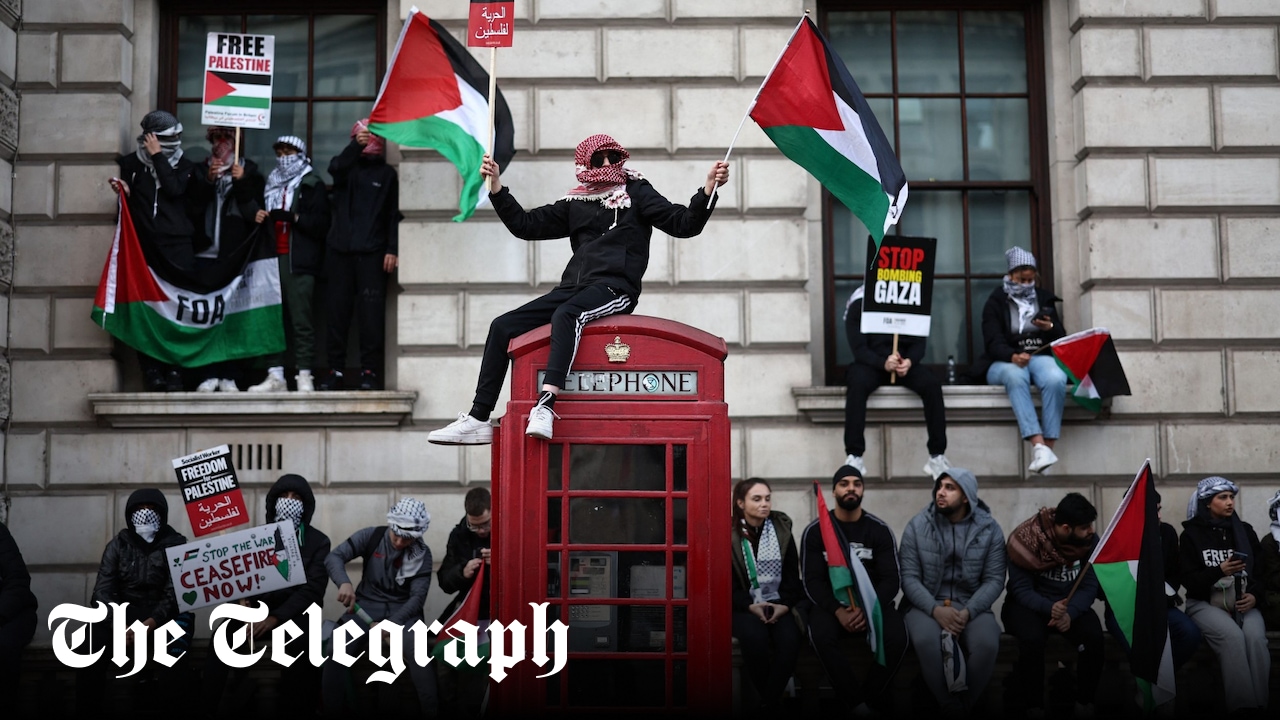
As British Prime Minister Keir Starmer prepares to make a big decision next month on whether the UK will officially recognize the state of Palestine, the reality is that Europe’s voice in the Arab-Israeli conflict has rarely been weaker.
Starmer is working with allies, in Europe and beyond, on a long-term strategy to establish peace “as part of a two-state solution.” However, as much as that might be still the right vision to pursue, it has declining traction outside Europe and the prime minister has admitted that “without both sides engaging in good faith in negotiations, that prospect is vanishing before our eyes.”
The diminished clout of Europe in the Middle East, not only in the Arab-Israeli conflict but beyond it, too, is a significant change from only a generation ago. The Venice Declaration of 1980, for instance, provided momentum toward international recognition of the Palestinian right to statehood. The region was also a significant player in the 1990s Oslo accords.
One of the reasons for Europe’s declining influence in the Middle East has been internal divisions. A small number of regional leaders hold pro-Israel views, such as Hungarian Prime Minister Viktor Orban, a staunch ally of his Israeli counterpart, Benjamin Netanyahu. Others nations, such as Spain and Ireland, have adopted much more pro-Palestinian stances.