https://arab.news/wrcek
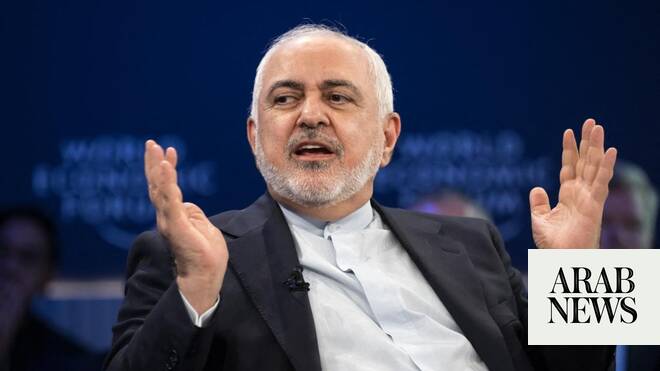
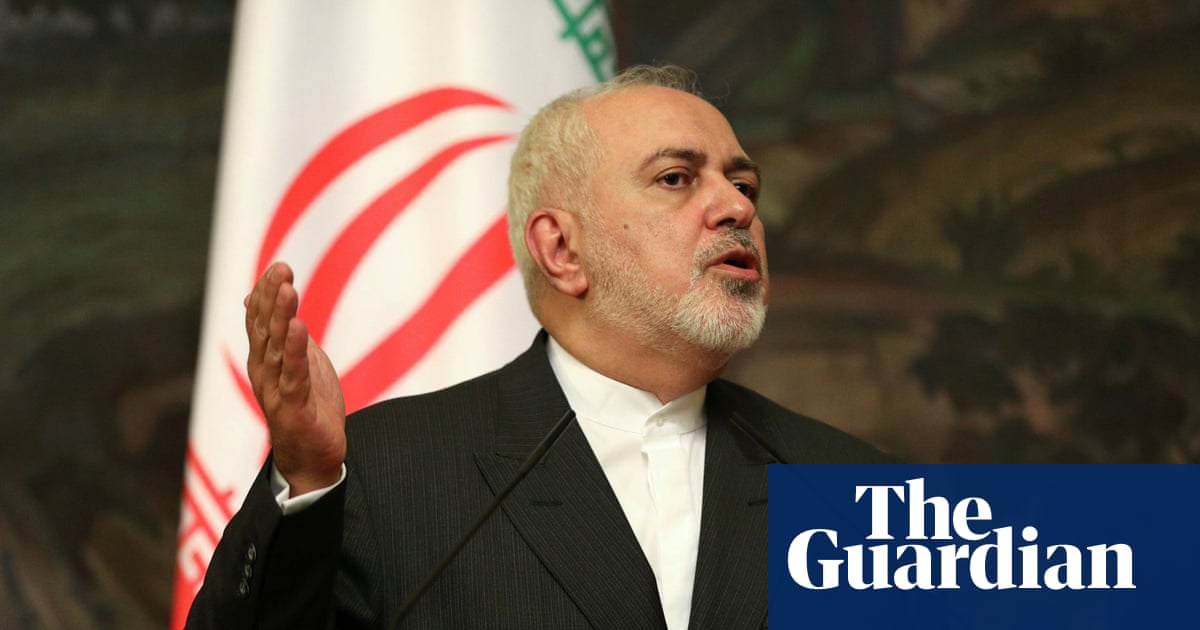
In his latest article published in Foreign Policy magazine on Aug. 15, former Iranian Foreign Minister Mohammad Javad Zarif called for what he described as a “paradigm shift.” He considered that “the time has come for a critical transition from an approach centered on confronting threats to one focused on exploiting opportunities.”
This key phrase encapsulates what Zarif wants to propose: moving away from the “perpetual threat” rhetoric that has defined the post-revolutionary Iranian discourse, and opening up to new partnerships, particularly with the country’s neighbors. He emphasized the “expansion of ties with neighbors and Global South countries, and a new regional partnership among Muslim West Asia.”
Zarif proposed a conceptual shift from a “deeply ingrained threat paradigm” to an “empowering possibilities paradigm.” Such a step requires changing fundamental pillars of Iran’s political doctrine, particularly those related to “exporting the revolution” and “supporting the vulnerable,” both of which are stipulated by the Iranian constitution. Iran interfered in the internal affairs of many neighboring Gulf states, in addition to Iraq, Yemen, and Lebanon, under the banner of “defending the oppressed” or “resistance.” This behavior fueled deep tensions between Tehran and its neighbors, who have consistently rejected these policies. Therefore, changing the “paradigm” will require Iran to adopt a new approach by shifting away from the revolutionary discourse and embracing diplomacy as a state that upholds the UN charter and international law.