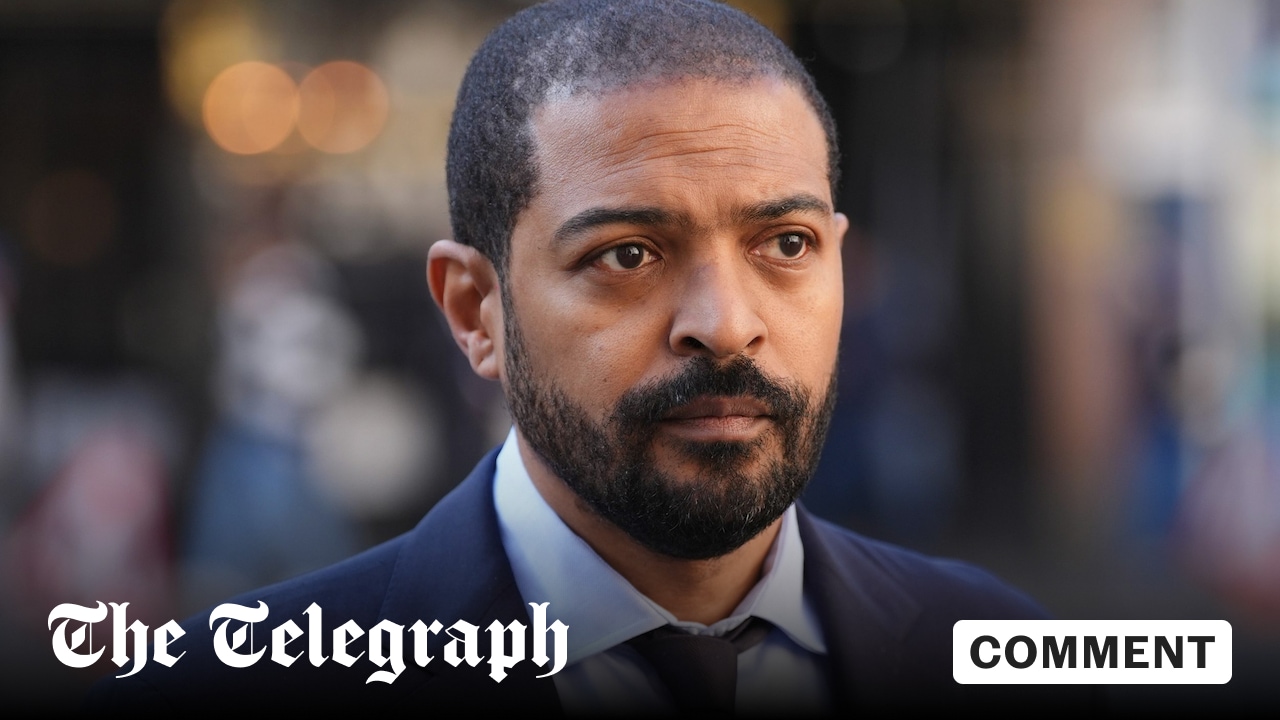
This newspaper’s victory in court underlines the courage of the women who spoke up and how in TV power shielded abuse
T
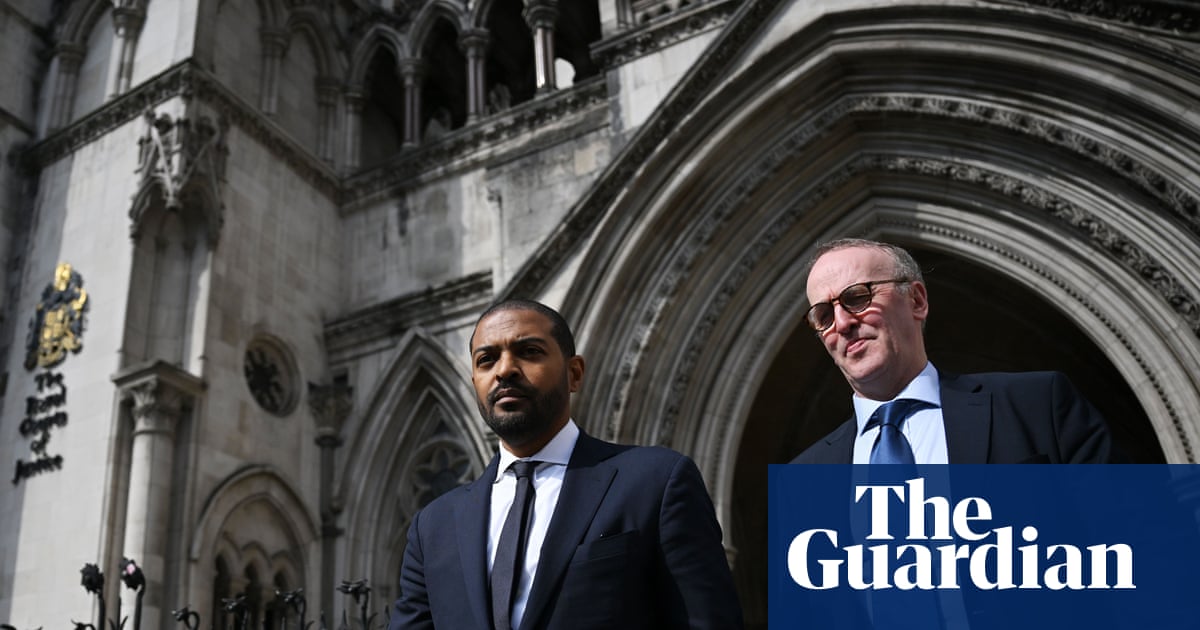
he high court’s dismissal of the actor Noel Clarke’s case against the Guardian is about more than one actor’s failed libel claim. Mrs Justice Steyn’s judgment is about power and complicity as well as the failure to protect vulnerable people. In her verdict, she agreed with the Guardian that there were “strong grounds to believe that [Clarke] is a serial abuser of women”.
The court heard testimony from 26 witnesses before concluding that Clarke had engaged in harassment, bullying and abuse of power over many years. The judge accepted some of his evidence, but found him to be neither credible or reliable. The Guardian’s journalists, by contrast, were meticulous and gave Clarke reasonable opportunity to respond as well as fairly presenting his denials. Without women speaking up, Clarke would never have been exposed.
The judge rightly agreed that these were plainly matters of public interest. But in law it is not enough for an editor to say that a story is important. It must also demonstrate responsible journalism: it must have careful corroboration and fair presentation, and not be given to sensationalism. The editors and reporters produced a final article, the judge agreed, that was measured, accurate and balanced. Crucially, their belief that this work was in the public interest was “reasonable”.