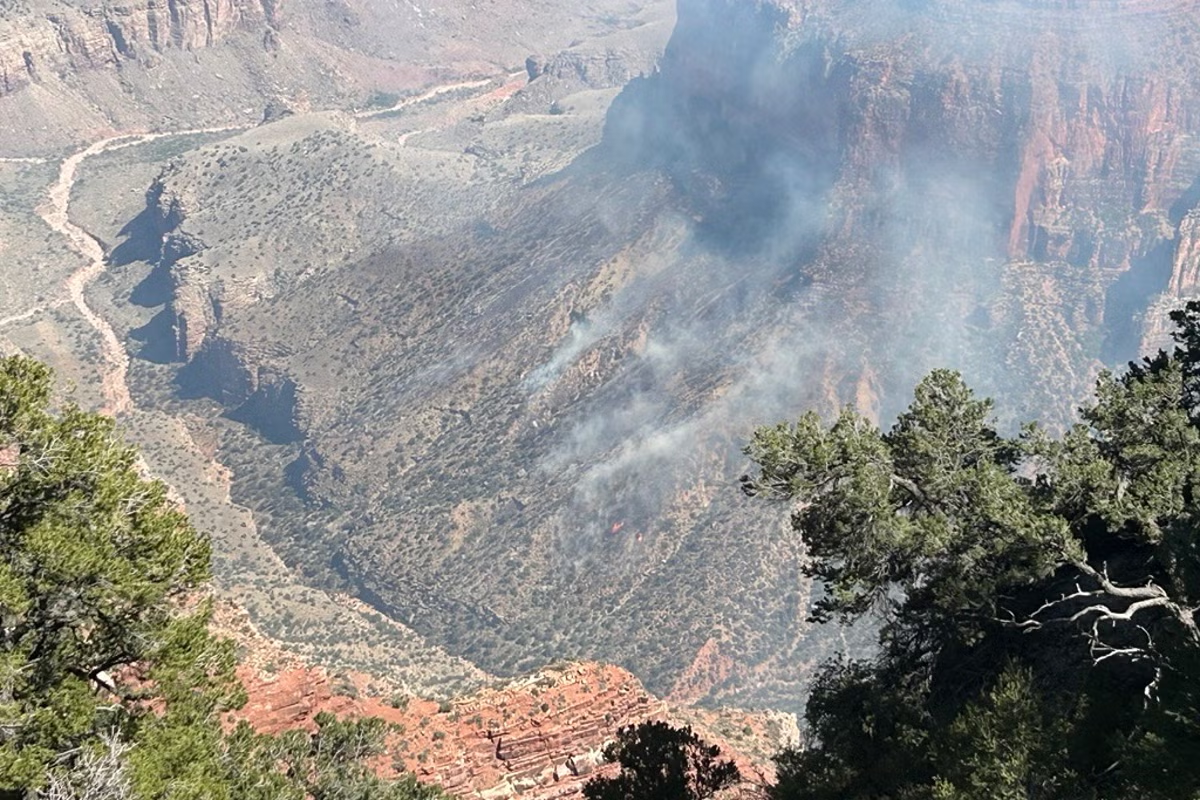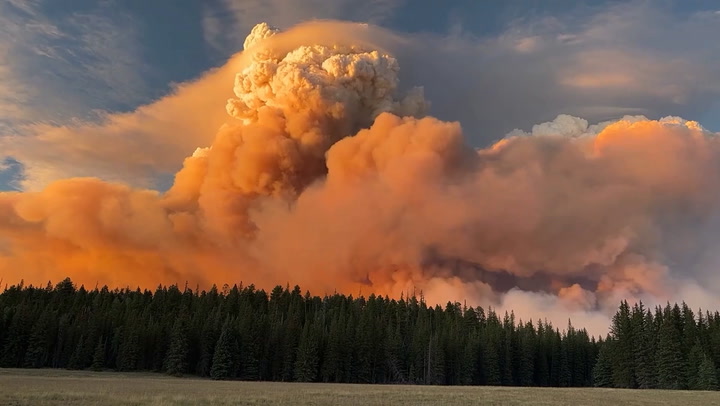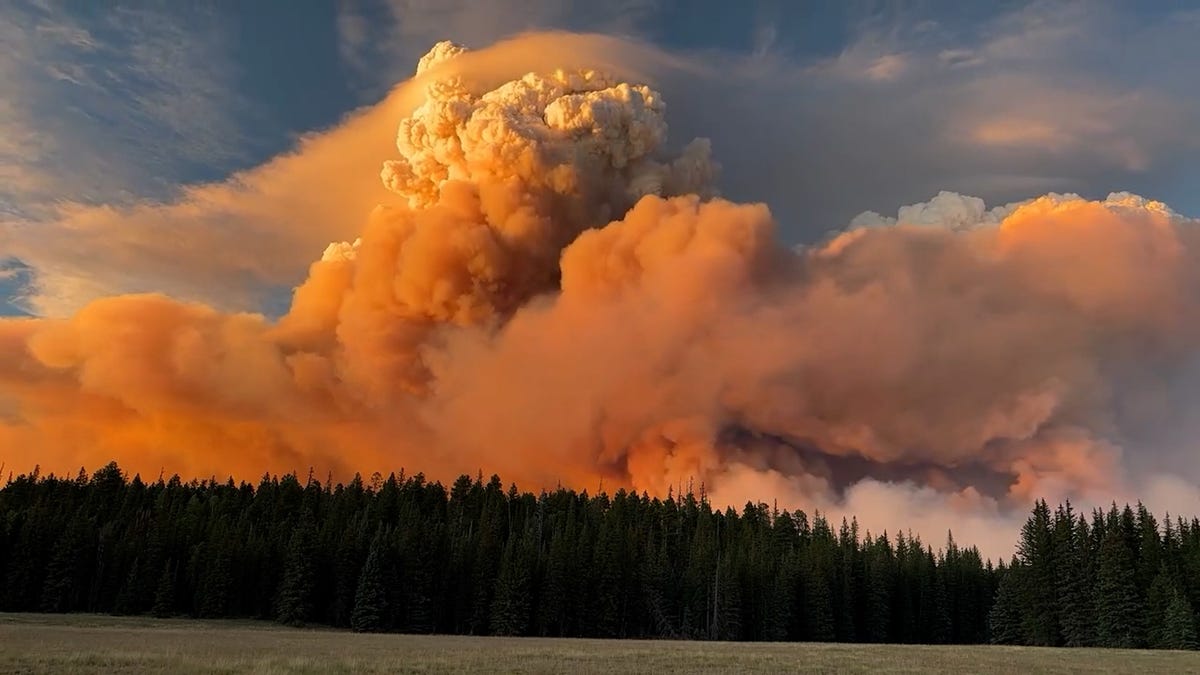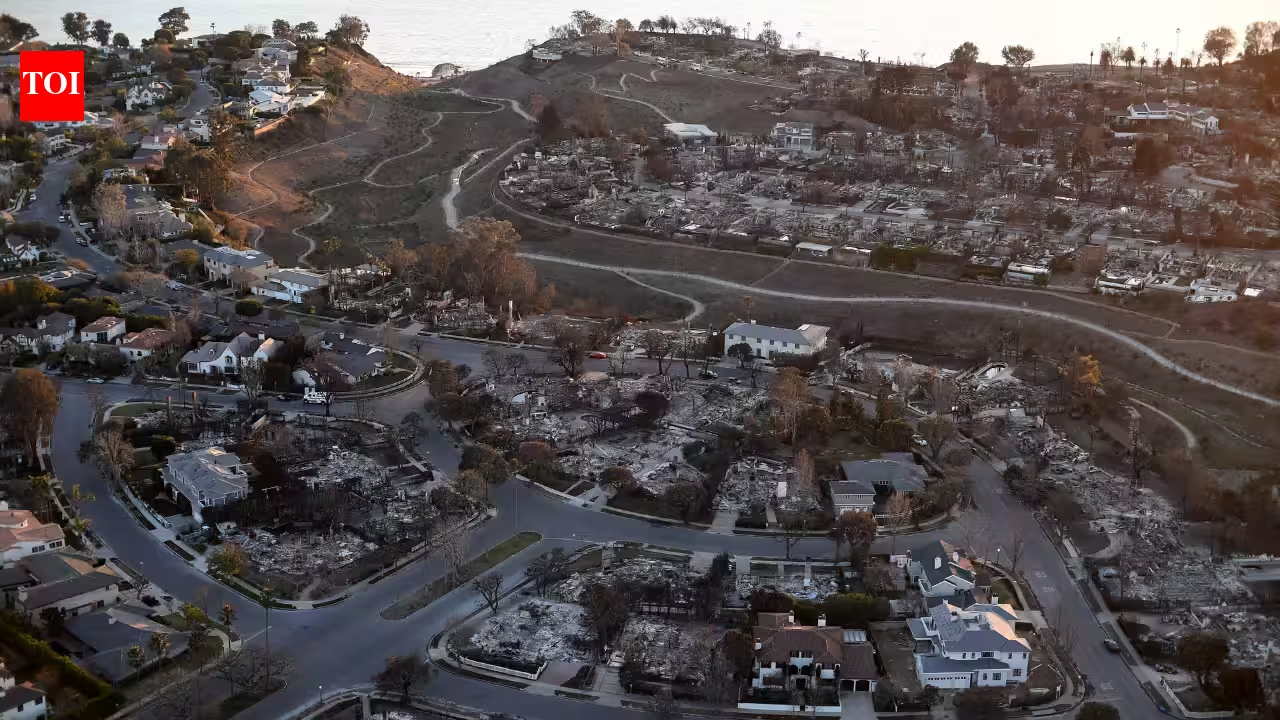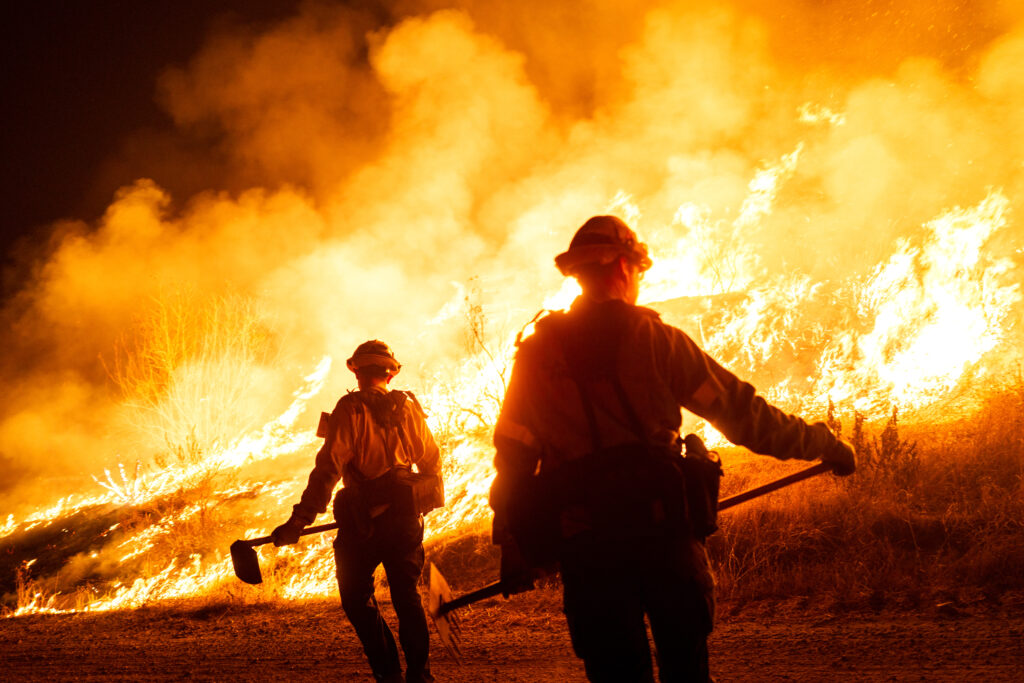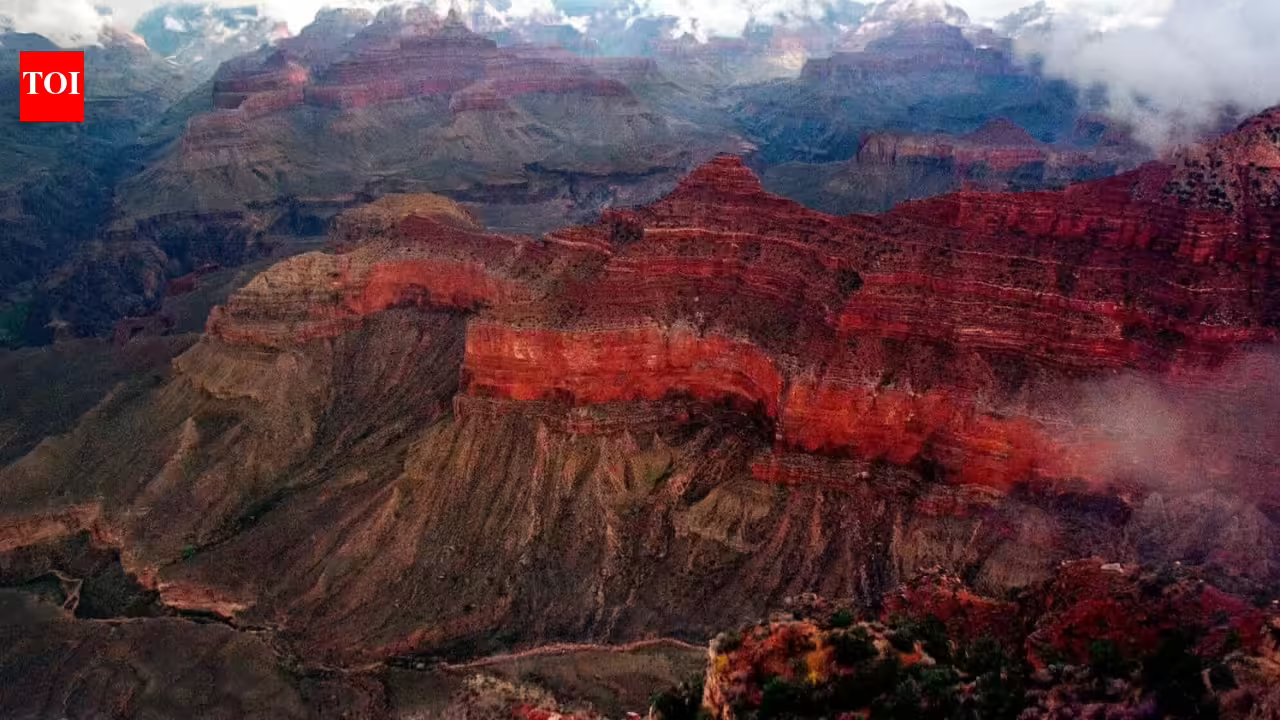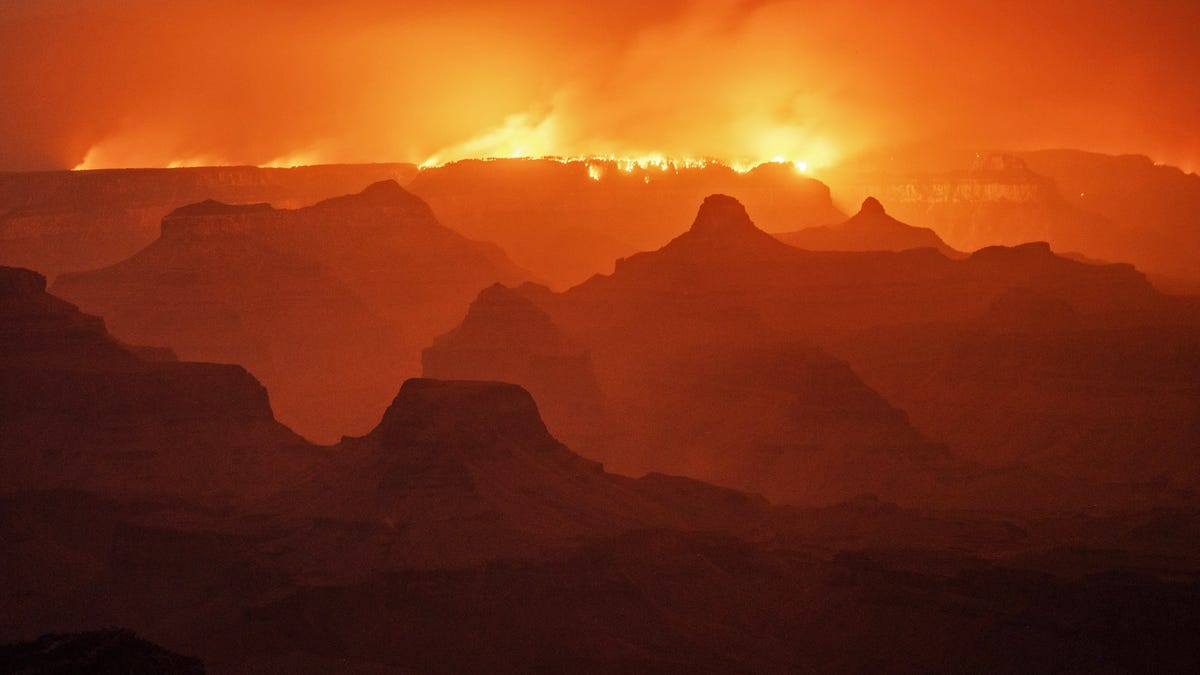
National Park Service officials say there was no way to predict the Dragon Bravo Fire would turn into an inferno, jump containment lines and rip through the Grand Canyon's North Rim, leaving a historic lodge and 100 other structures in smoking ruin.
But records, including the Grand Canyon's fire management plan, are at odds with the official narrative. They show officials downplayed threats to public safety – and decided to let the fire burn for seven days – even as fuel and weather conditions repeatedly reached the brink of critical thresholds for fire risk.
The management plan lists four conditions that signal when a fire could get out of control. Two days after lightning sparked the July 4 fire, a combination of high temperatures, low humidity, wind speed and gusts began coalescing in a way the park's plan warned could "greatly increase fire behavior."
That was the first time. An analysis by The Arizona Republic, part of the USA TODAY Network, using data recorded by the National Weather Service at the North Rim found temperature, humidity and wind came even closer to reaching critical thresholds on July 9 and closer still on July 10.
Three of the threshold conditions were sustained for nearly six hours on July 10, when at one point only 2 mph of wind speed prevented all four from being met.