When the samphire is growing on the coasts of north Norfolk, our writer returns almost every year to cook this buttery, smoky marine dish
N
orth Norfolk captured our hearts by stealth. For most of my life, this arcing coastal stretch of East Anglia was somewhere I had never visited, nor ever spent that much time thinking about; a span of English countryside that I mostly associated with Alan Partridge, Colman’s mustard and, in the context of my south London home, an awkward schlep. But then, almost exactly a decade ago, I stumbled through an internet rabbit hole on to an entry for a clutch of self-catering cottages in a seaside village near the gently bougie, wax-jacketed market town of Holt. Decision made.
Soon we were rumbling out across an impossibly wide and flat expanse, bound for the ripe, blustering winds and billowing steam trains of a varied network of time-warp beaches and little towns. Not expecting much, and yet falling a little more in love with each passing moment and meal, with each glistening fistful of perfect chips from No1 Cromer or a tea room crab roll after watching seals nose out of the water at Blakeney Point.
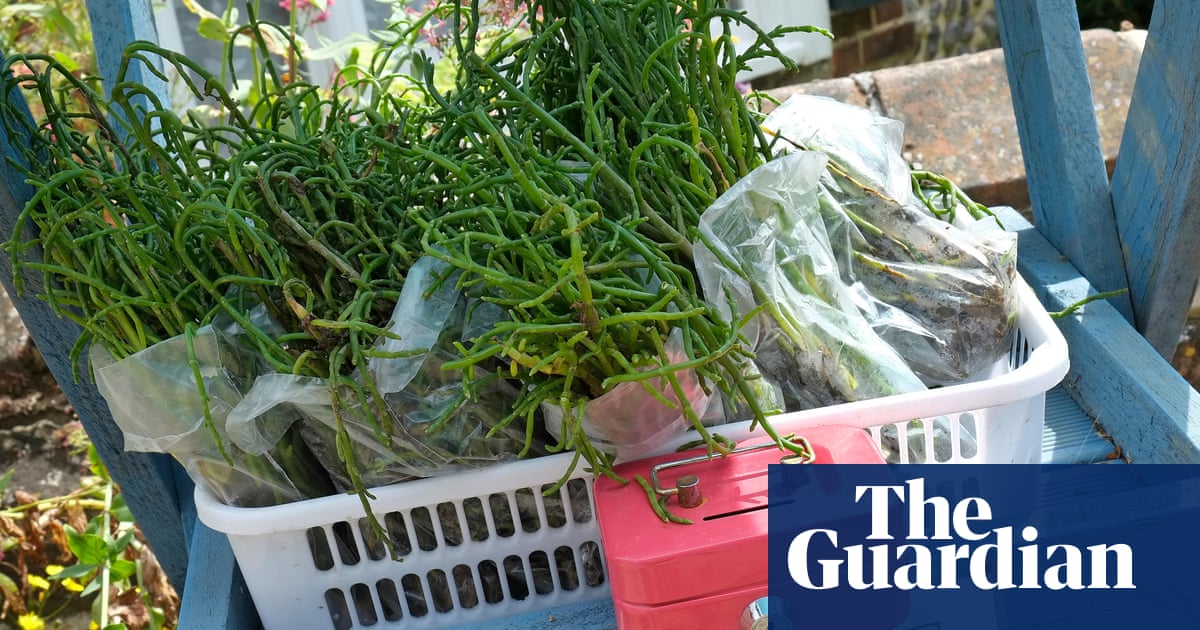
The arrival of a second kid, pandemic lockdowns and juddering personal and professional life shifts – all of these significant markers across the past 10 years have been punctuated by repeat trips to this understatedly beautiful strip of once-alien coastline. And though we have seen this part of the world in many different modes, the phrase that best crystallises my associative excitement is this: samphire season. I had definitely eaten and enjoyed the spindly green sea vegetable before our north Norfolk years, but I don’t think it was until we visited in summer, when samphire is at its abundant, fleeting peak in the tidal mudflats that gird the shoreline, that I appreciated its connection to East Anglian culinary culture, or how special it is when sampled at the source. When summer hits, this briny, delicately beaded marsh grass (locally pronounced more like “sam-fer”) is a comforting ubiquity, lurking on restaurant blackboards, in fishmonger window displays and in the DIY honesty boxes that ornament the wending coastal roads. There is a core memory from a few years ago: sticky-fingered, sandy kids in the car, and my wife Madeleine running from the passenger side to procure one of the last paper bags of foraged samphire from a roadside table amid the marshy, glimmering swelter of a little village called Salthouse.