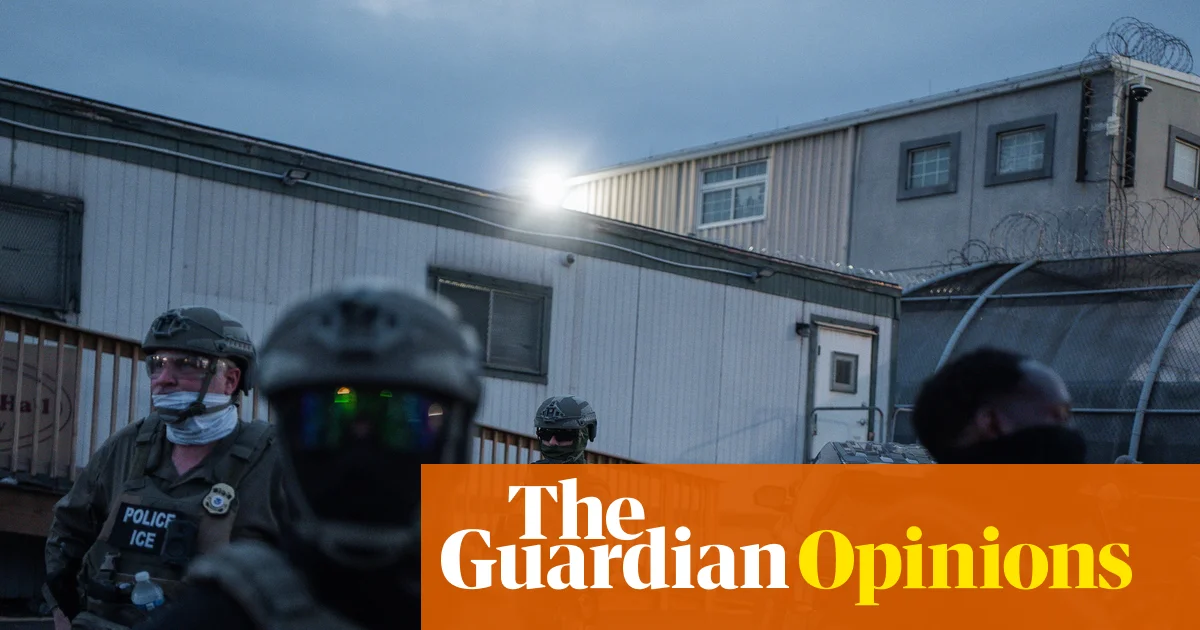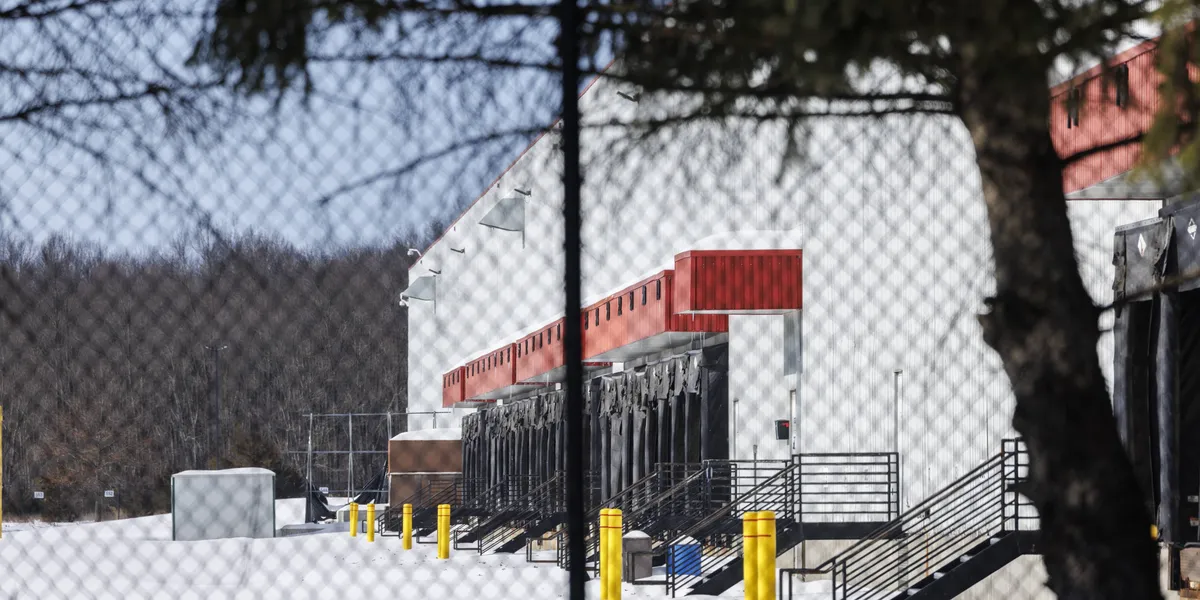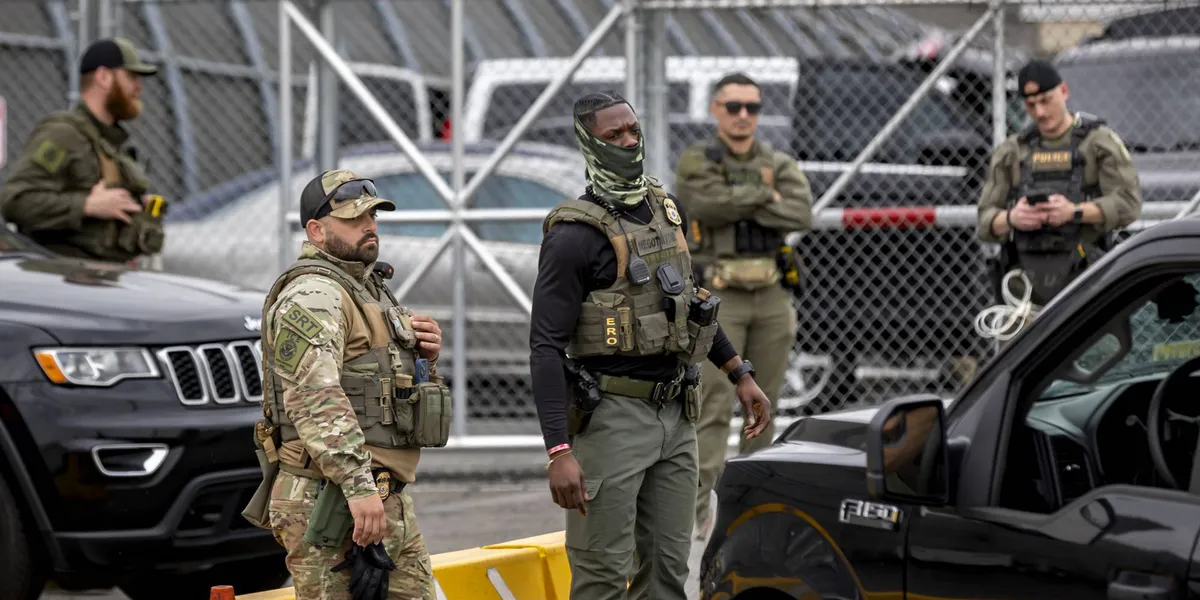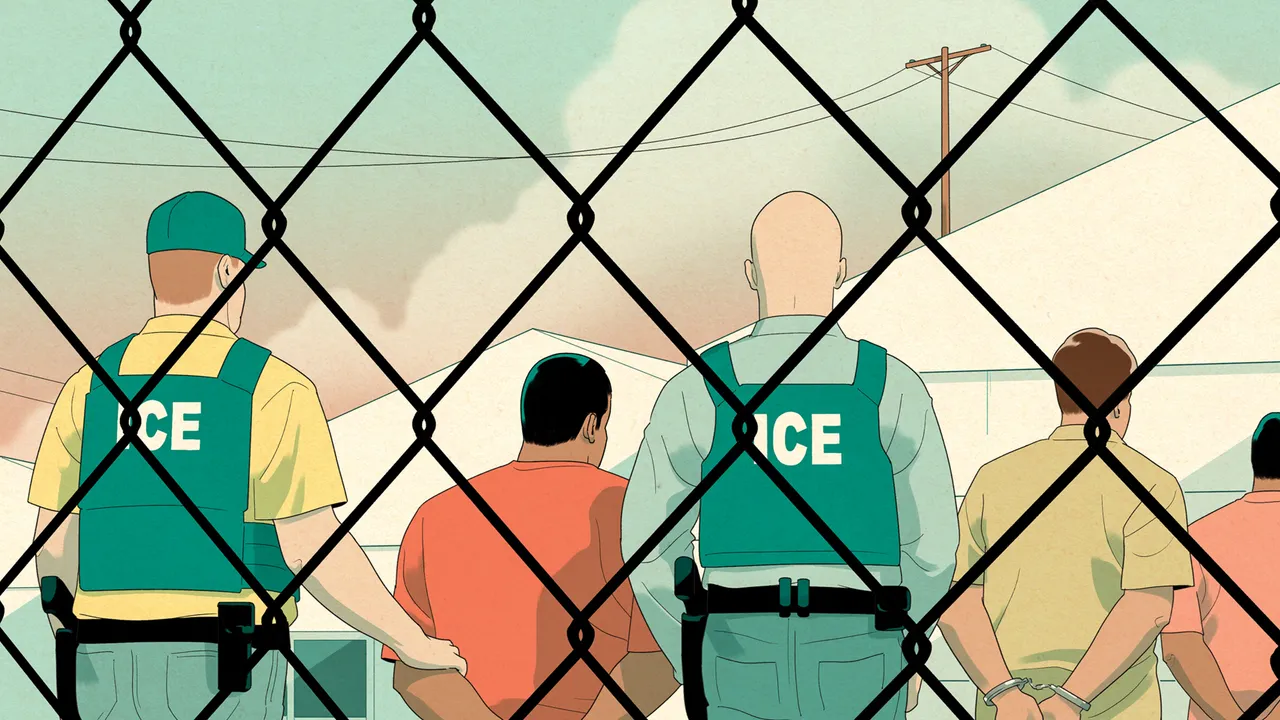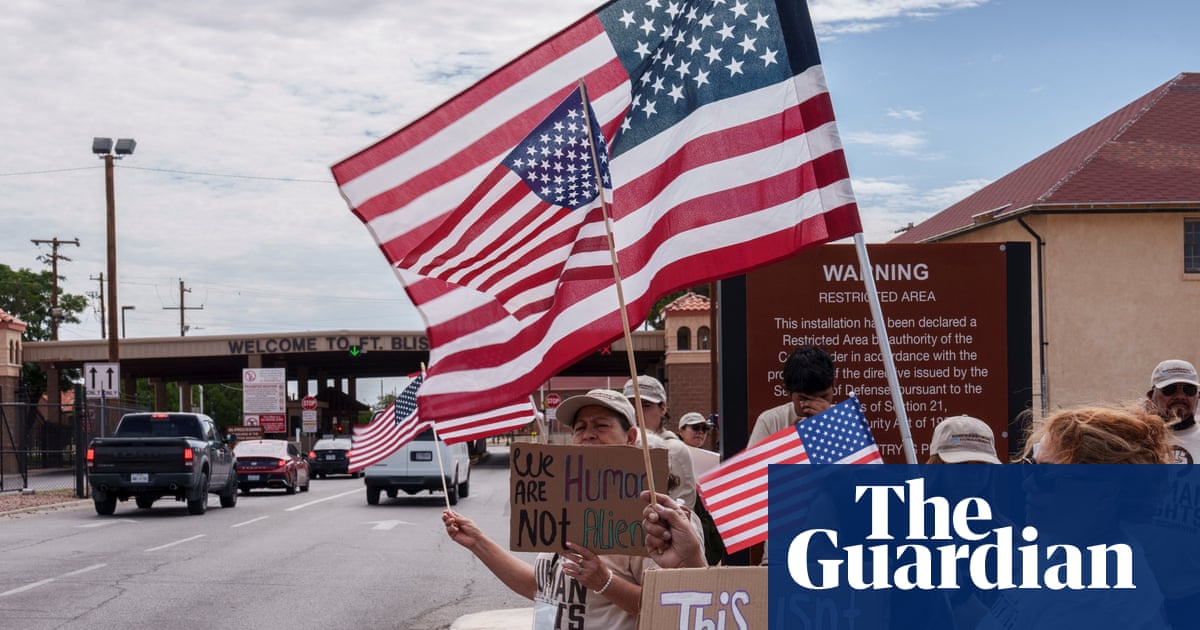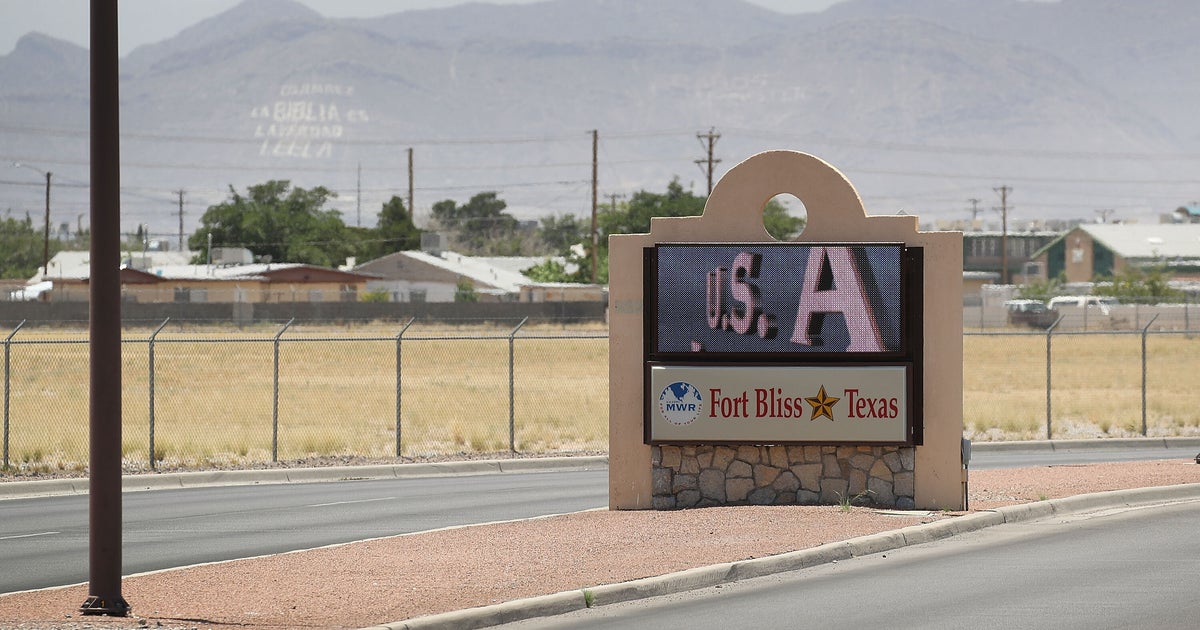
Advocates have raised the alarm about the harrowing similarities between the modern-day use of a $1.2 billion immigration detention center in Texas and its historical use as an incarceration camp during World War II.
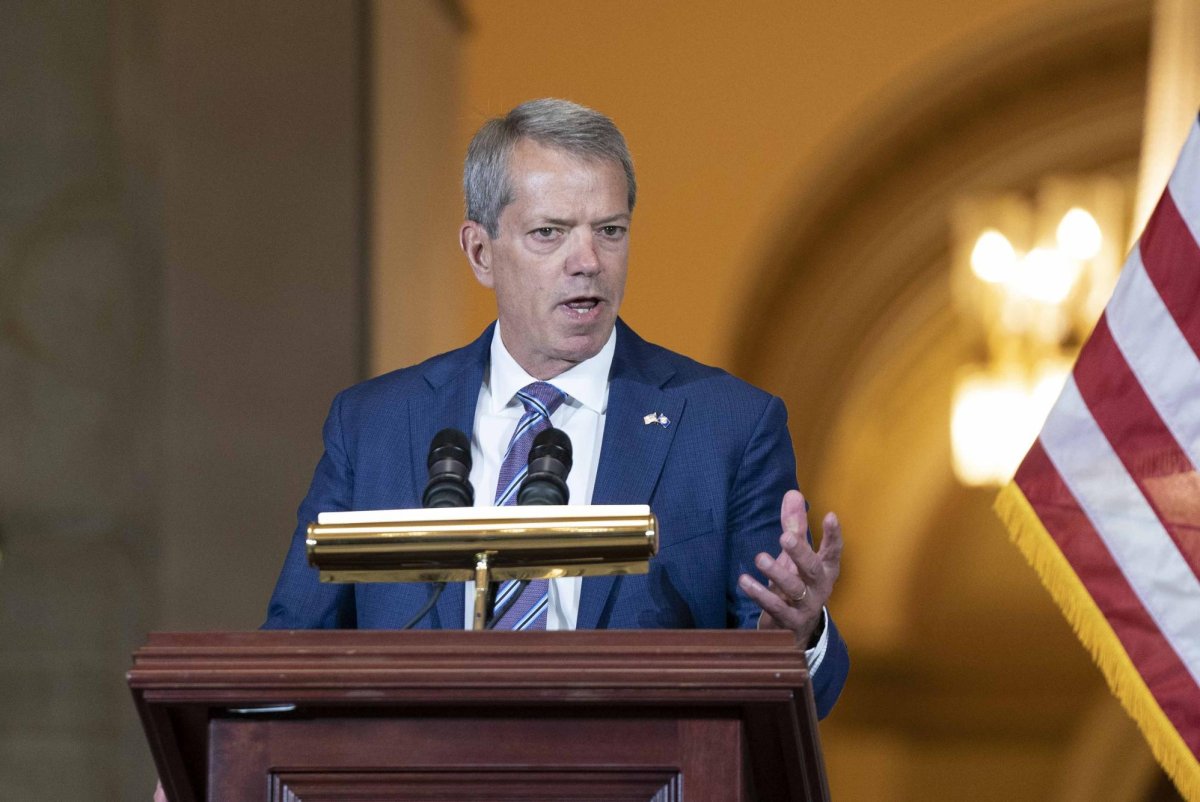
“It is inconceivable that the United States is once again building concentration camps, denying the lessons learned 80 years ago,” Ann Burroughs, president and CEO of the Japanese American National Museum, said in a statement to HuffPost.
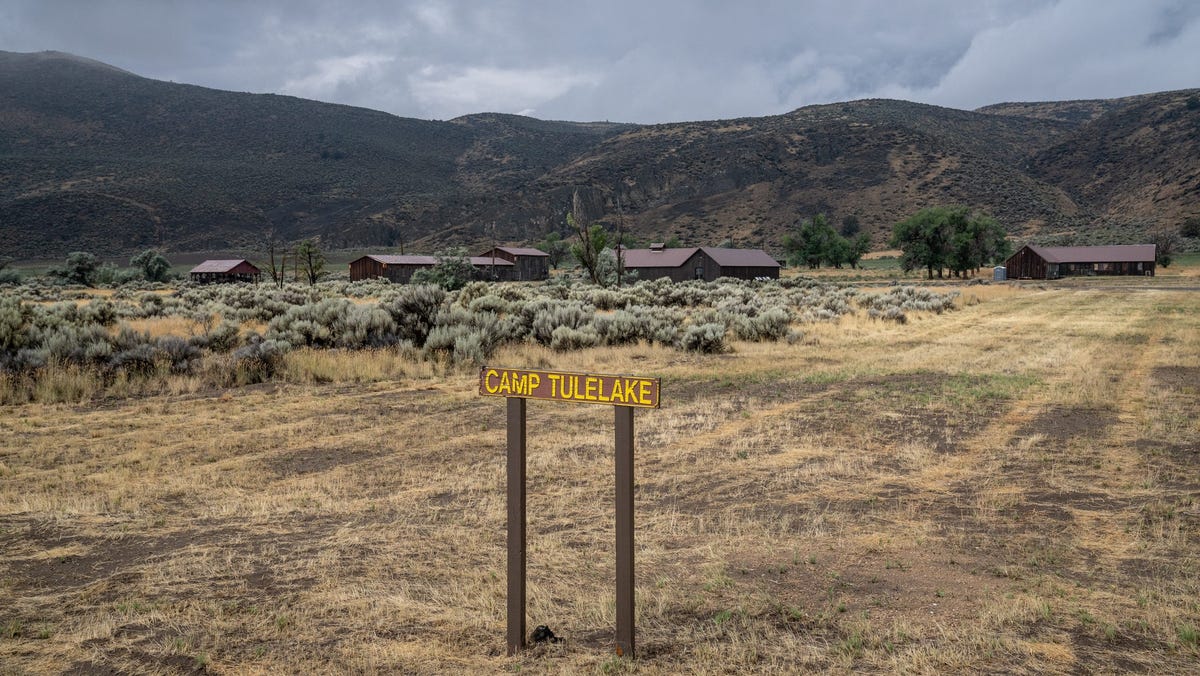
To address national security concerns after the attack on Pearl Harbor, President Franklin Delano Roosevelt signed Executive Order 9066 in February 1942, directing the Secretary of War and military commanders to send individuals deemed to be threats to “relocation centers.” However, those camps primarily detained roughly 100,000 Japanese Americans.
Fort Bliss was one of those camps. Fort Bliss, an army base with land in both Texas and New Mexico, opened up as an immigration center this past weekend and can currently hold up to 1,000 people. However, it’s on track to become the largest immigration facility “in history,” intending to detain up to 5,000 people when construction is complete, according to the Defense Department.
“We know all too well the devastating consequences of such actions — families torn apart, livelihoods destroyed, and the trauma inflicted on a community for generations. This dangerous new direction echoes past injustices, including the Chinese Exclusion Act, Alien Land Laws, and World War II incarceration policies, emphasizing that the lessons of history must not be ignored,” Burroughs told HuffPost. “Threats to revoke naturalization and redefine legal status today are as dangerous as they were in 1942. Both echo the scapegoating and racism that led to that dark chapter in US history.”