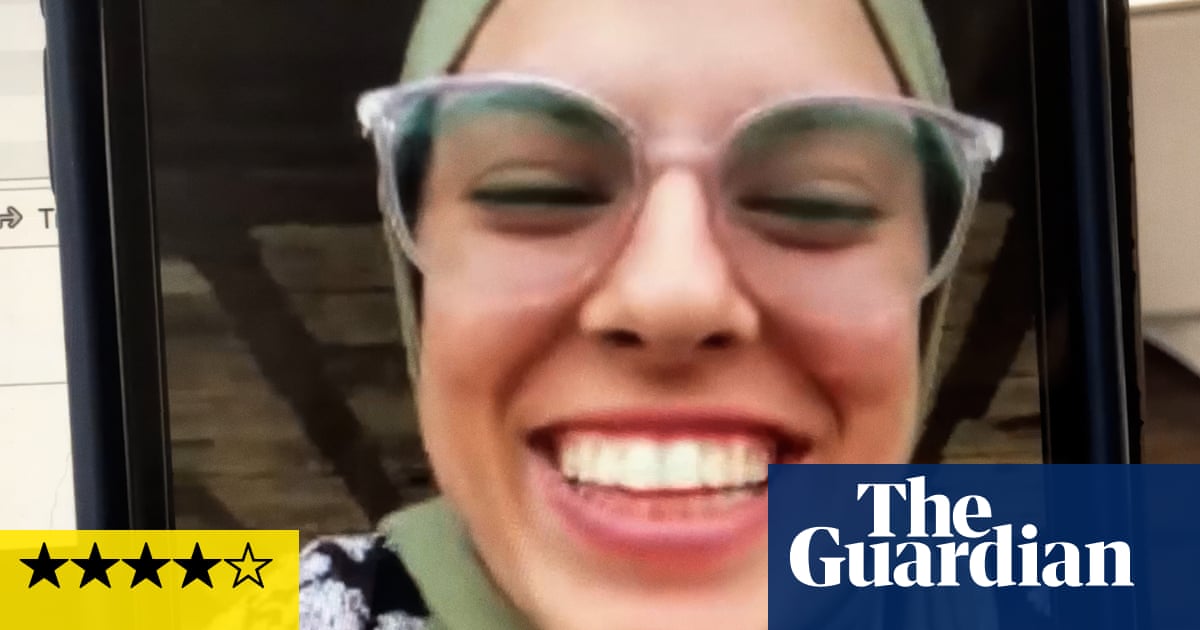
Sepideh Farsi’s devastating documentary follows the Hassouna through a year of video calls before a fate that, though well known, is too bitter to bear
T
he rule is this: don’t spoil movies by giving away the ending, even if the events depicted are part of the historical record. But in the case of this devastating documentary, knowing what’s coming at the end is a radical enhancement, a chilling message from the movie’s future that makes you read everything differently.
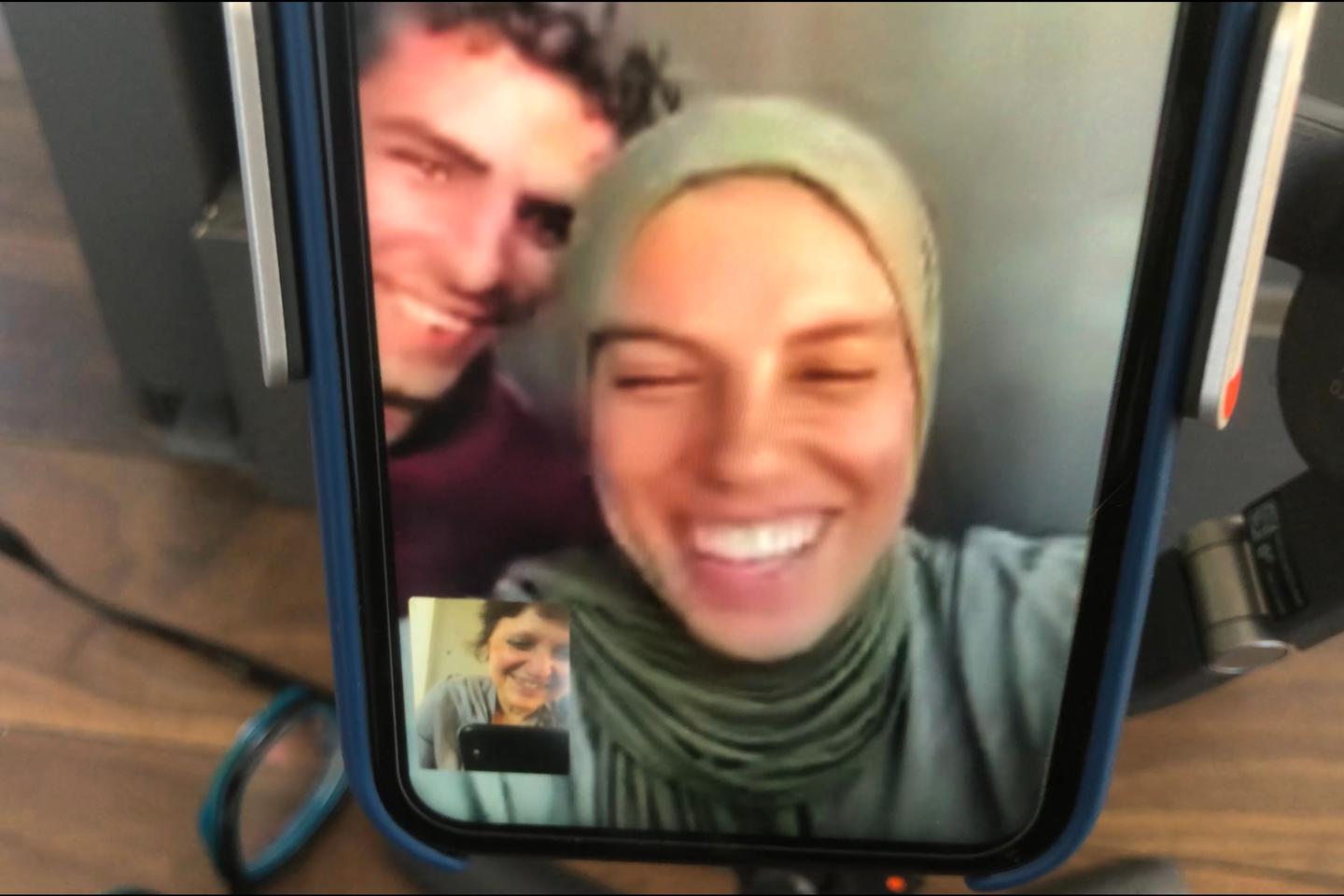
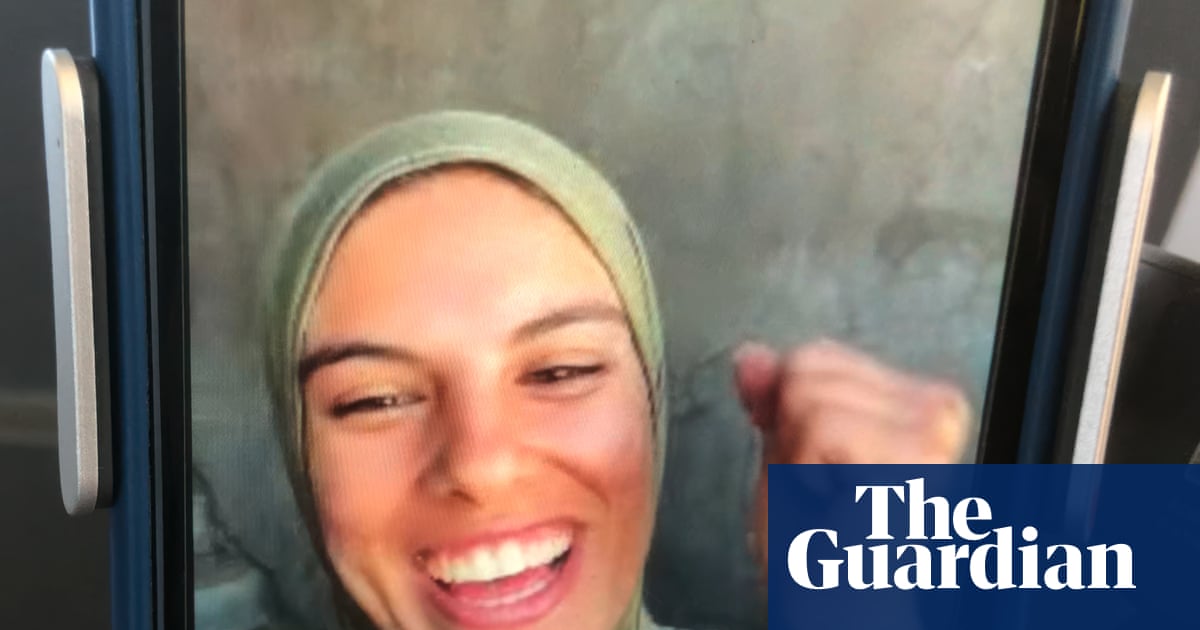
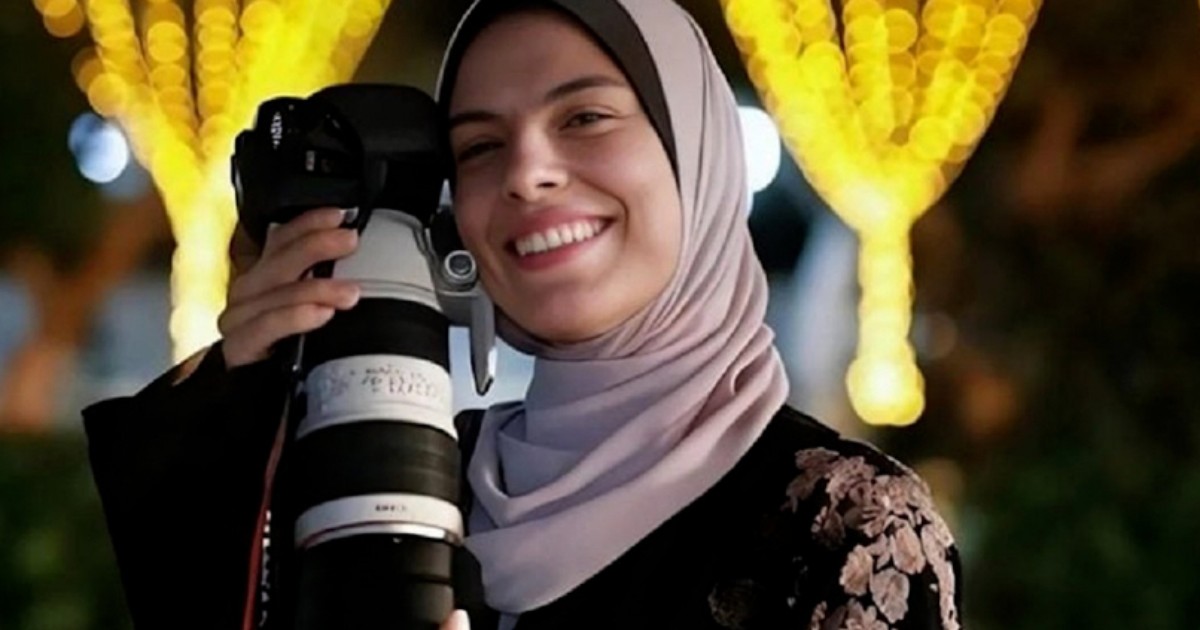
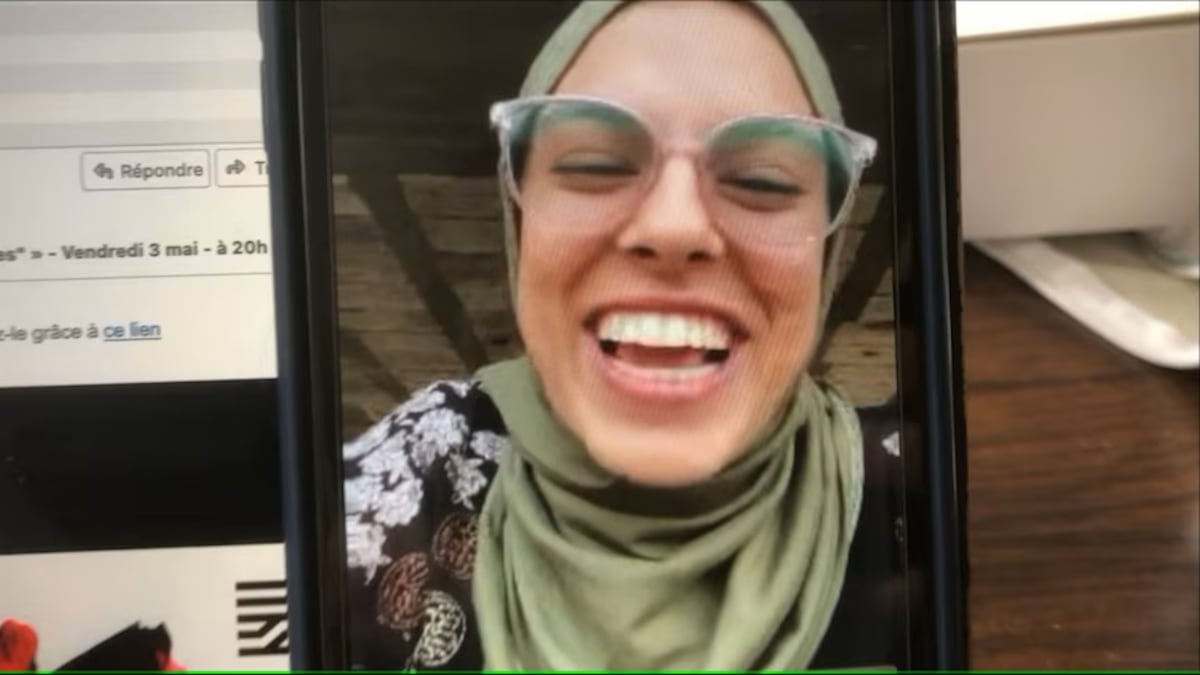
So here’s the big reveal: Fatima Hassouna, the young Palestinian woman in this film, to whom director Sepideh Farsi talks to via video calls over nearly a year, is now dead, killed on 16 April by an Israeli airstrike along with several members of her family. In fact, the last we see of Hassouna is her being told by Farsi that the film we’ve just been watching will be shown at the Cannes film festival. This prompts a conversation about whether Hassouna will attend the premiere (“Of course!” she says, optimistically) and perhaps use that trip as an opportunity to leave Gaza for good. She demurs politely, insisting that Gaza is her home even if everything and everyone is destroyed.
This last conversation resonates so deeply because Gaza is indeed being ground down to dust. But it’s the audacious austerity of Farsi’s film-making that really makes the material sing. As that cheery last conversation ends with a humdrum discussion of passports and a promise, impossible to keep, to talk again soon, the screen fades to black and bare, factual subtitles reveal Hassouna’s fate. There’s no soaring string soundtrack, no final on-the-nose irony, just the palpable absence of Hassouna’s almost always smiling face, her laughter, and her irrepressible optimism.