University of Glasgow research shows steep increases over past 30 years, after summer of strandings across Europe
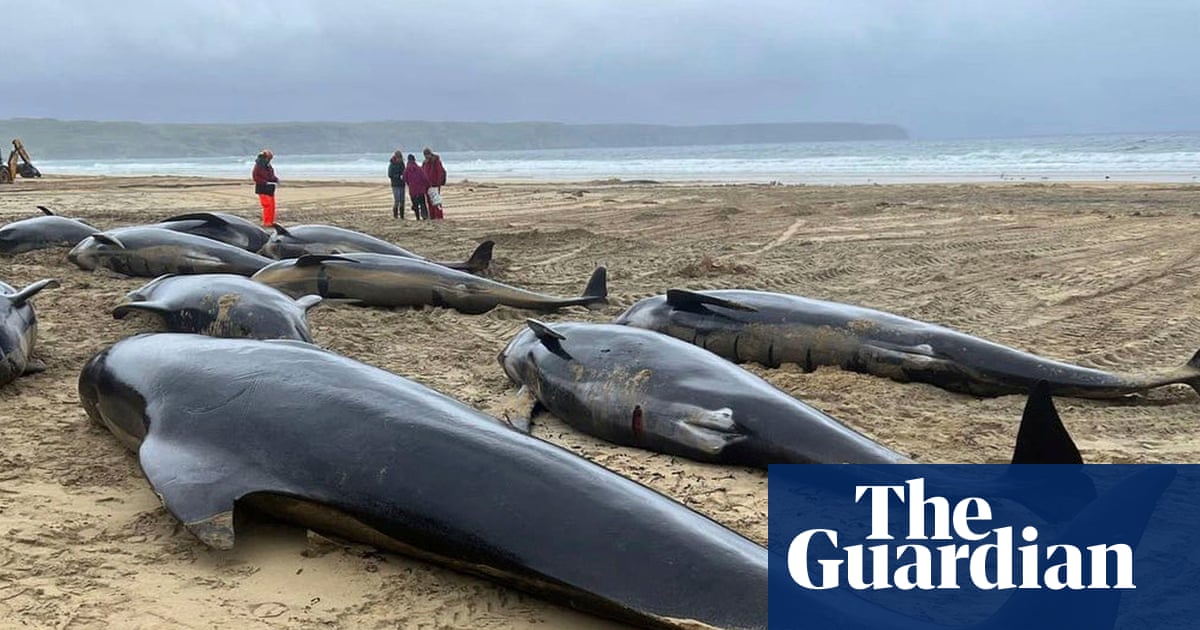
The number of marine mammals stranded in Scotland has risen dramatically in the past 30 years, a study has found.
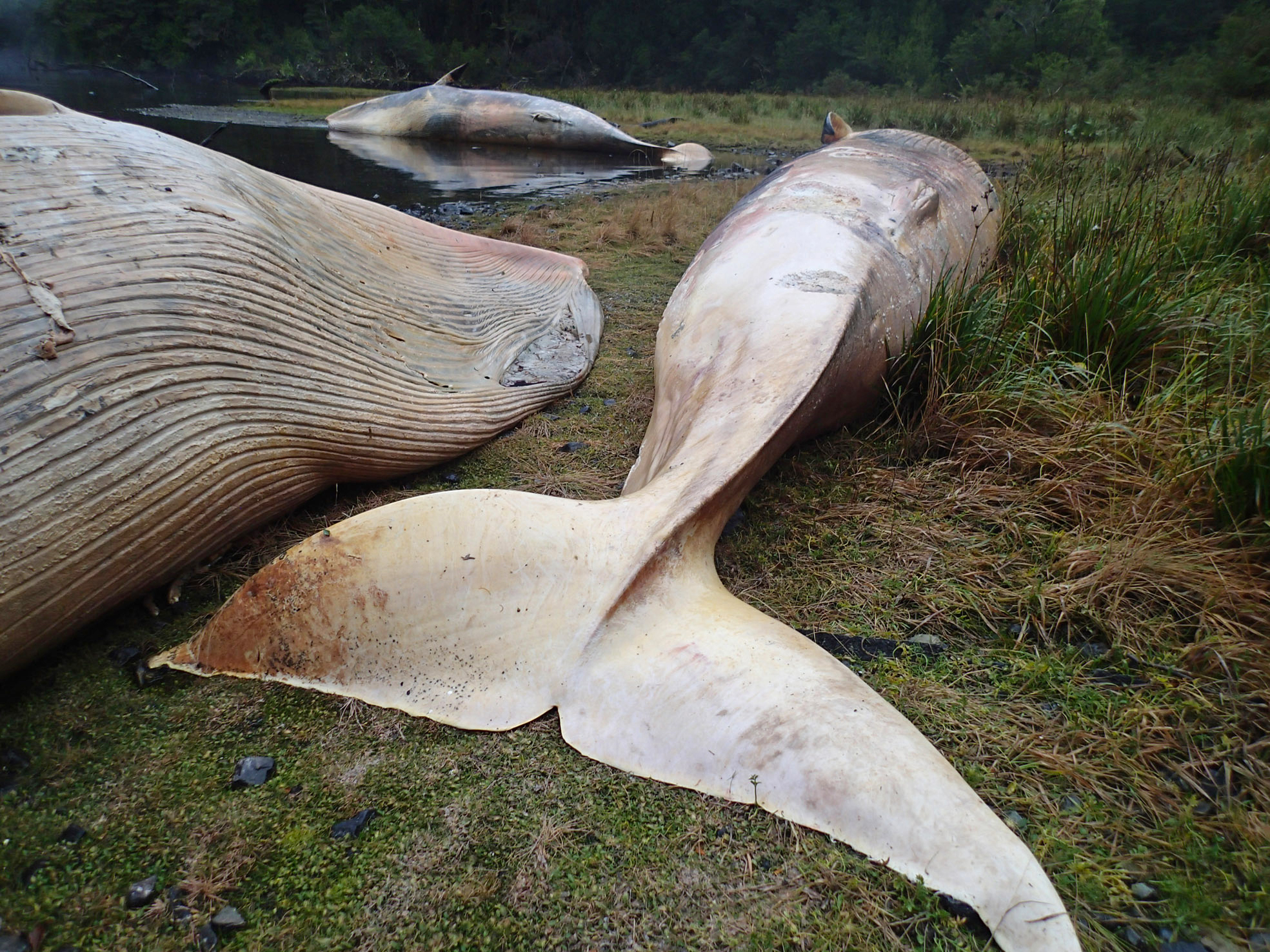
From 1992 to 2022, 5,147 cetaceans died on Scottish shores, and a new paper shows steep increases in the rate of strandings of up to 800% in some species, continuing exponentially every year.
The paper, by the University of Glasgow’s Scottish marine animal stranding scheme (Smass), follows this summer’s extraordinary sequence of rarely seen, deep-diving whale species stranding on northern European shores. Over a period of just over two weeks, 36 beaked whales and pilot whales were found in locations from western and southern Ireland to Orkney, Norfolk, the Netherlands and southern Sweden. The animals appeared to have entered shallow seas where they could not forage for their usual foods such as deep-sea squid.
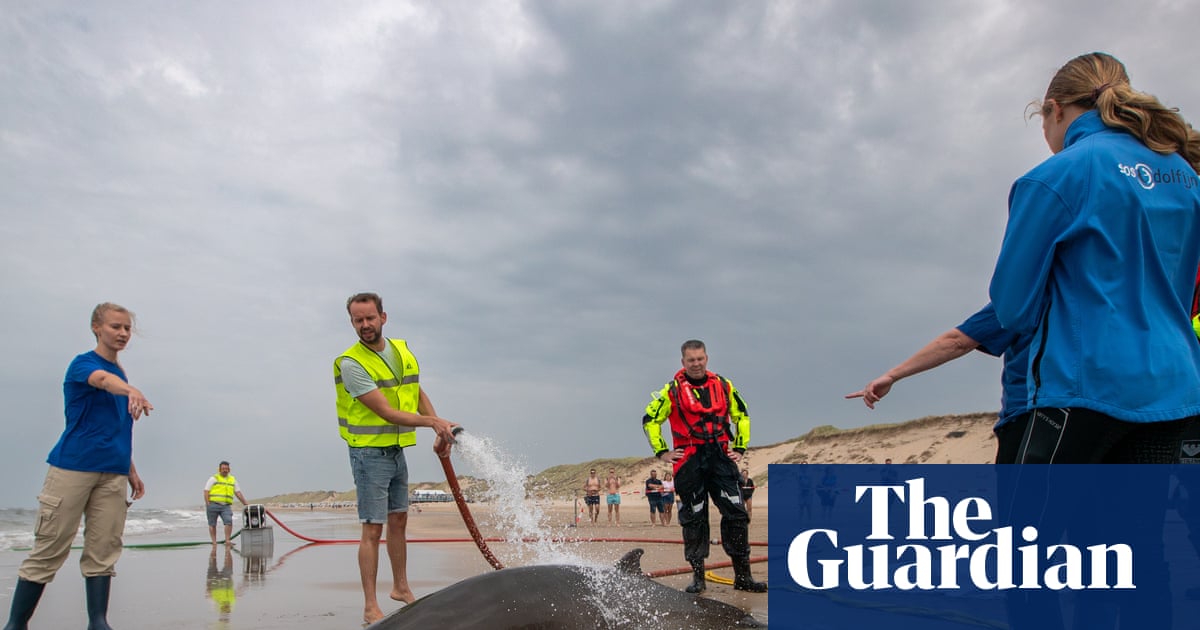
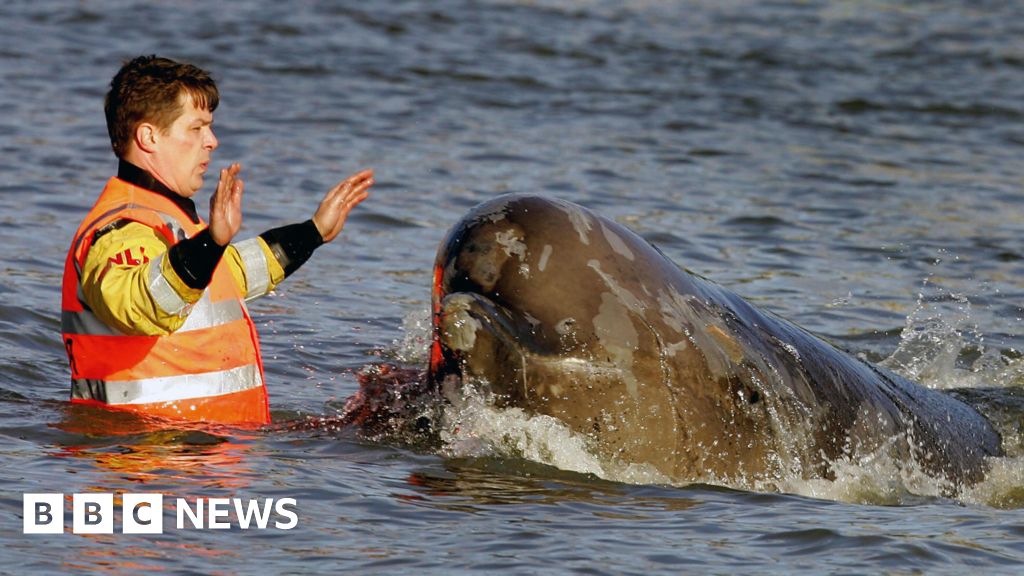
The widespread locations of these events is provoking serious concern, especially among volunteer groups who work to save the stranded whales – without success, in all of the above cases.