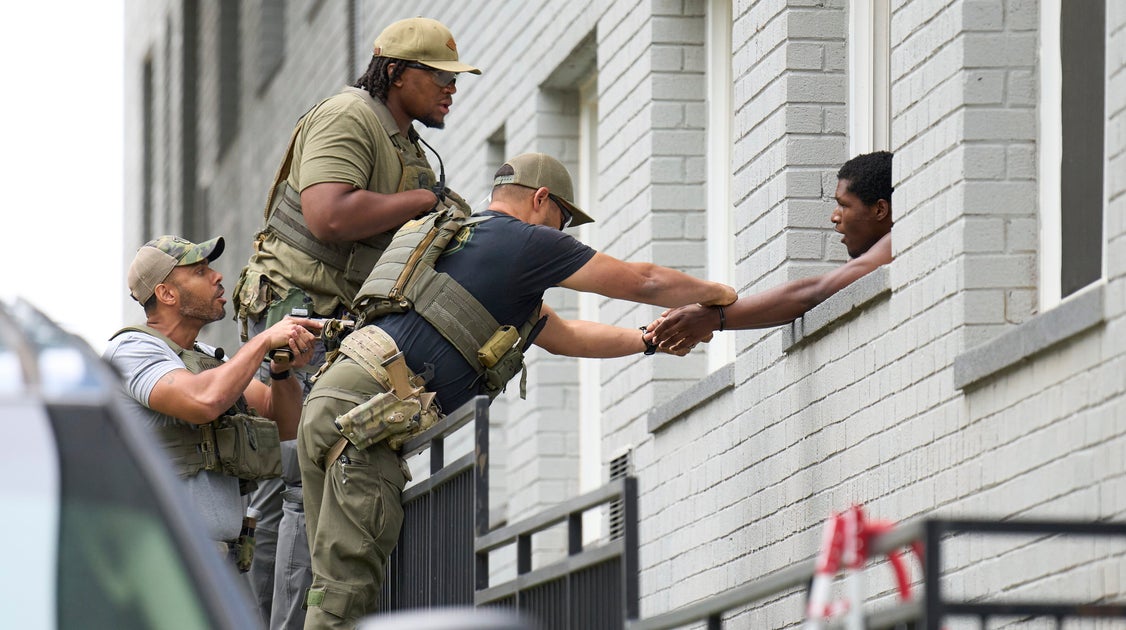
WASHINGTON (AP) — The main drag in Washington’s Columbia Heights neighborhood is typically crammed with people peddling pupusas, fresh fruit, souvenirs and clothing. On Tuesday, though, things felt different: The white tents that bulge with food and merchandise were scarcer than usual.
“Everything has stopped over the last week,” said Yassin Yahyaoui, who sells jewelry and glass figurines. Most of his customers and fellow vendors, he said, have “just disappeared” — particularly if they speak Spanish.
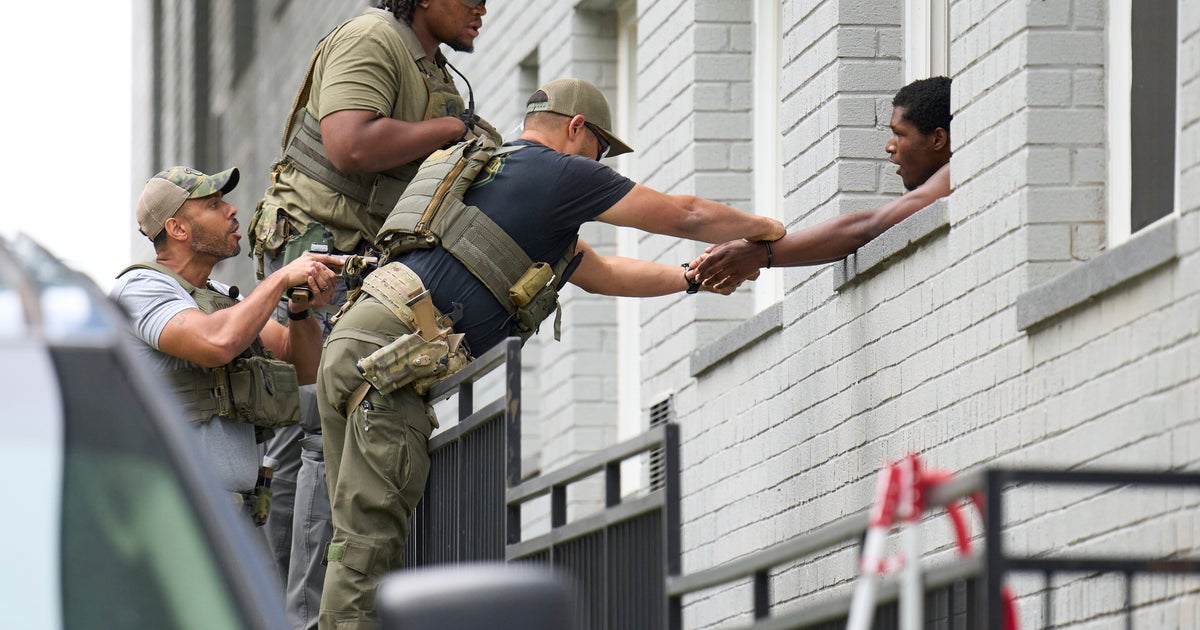
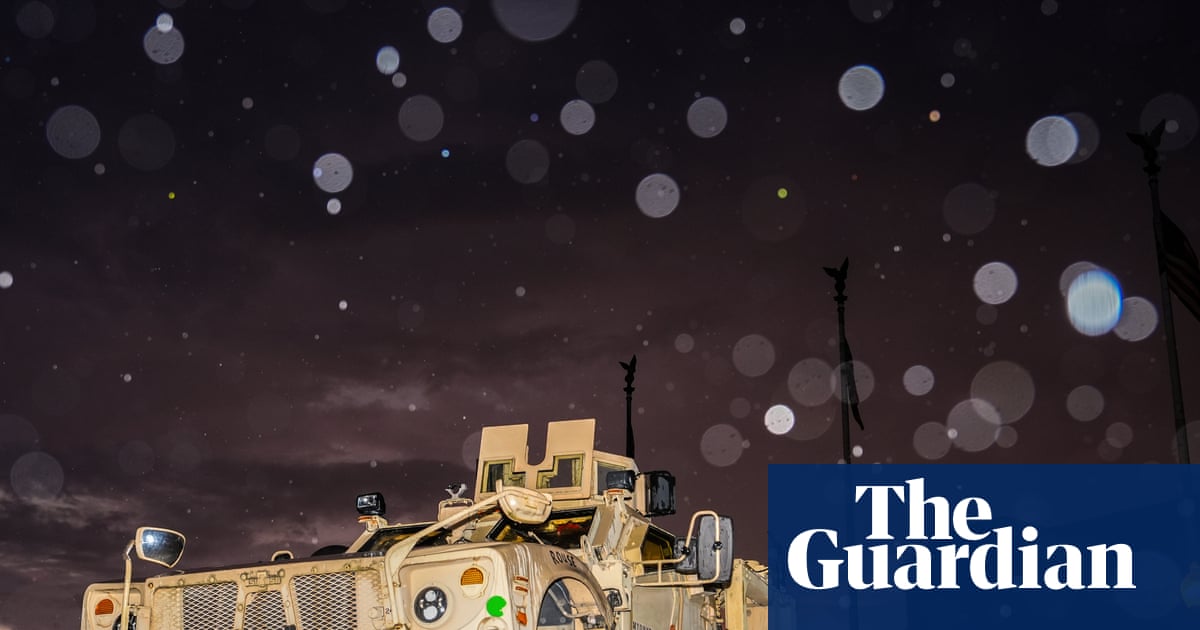
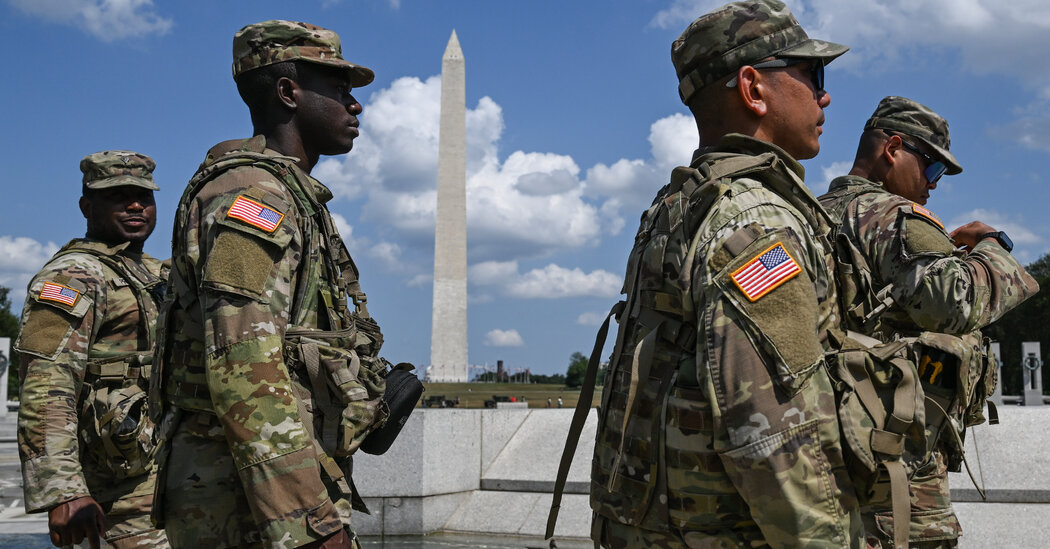
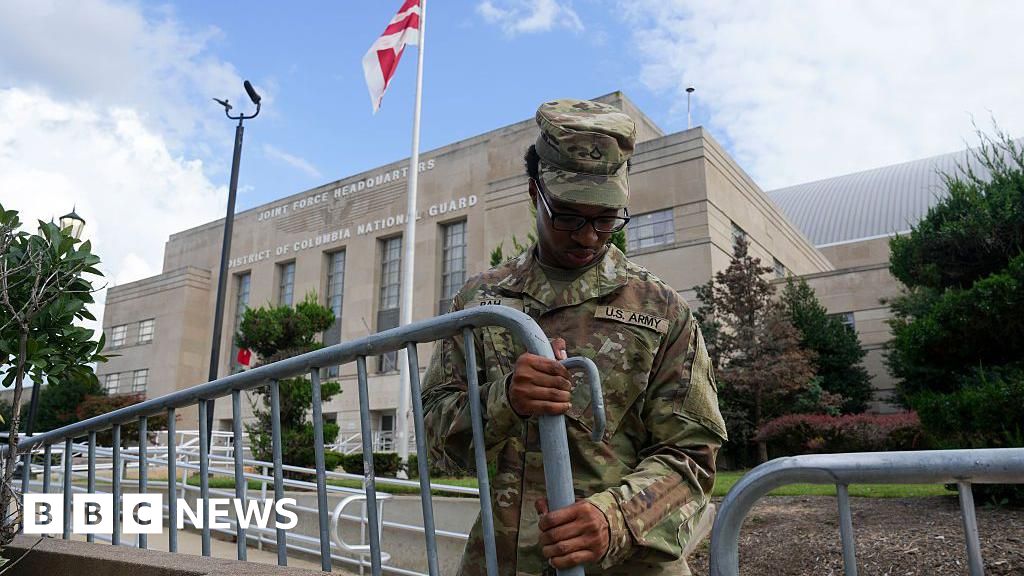
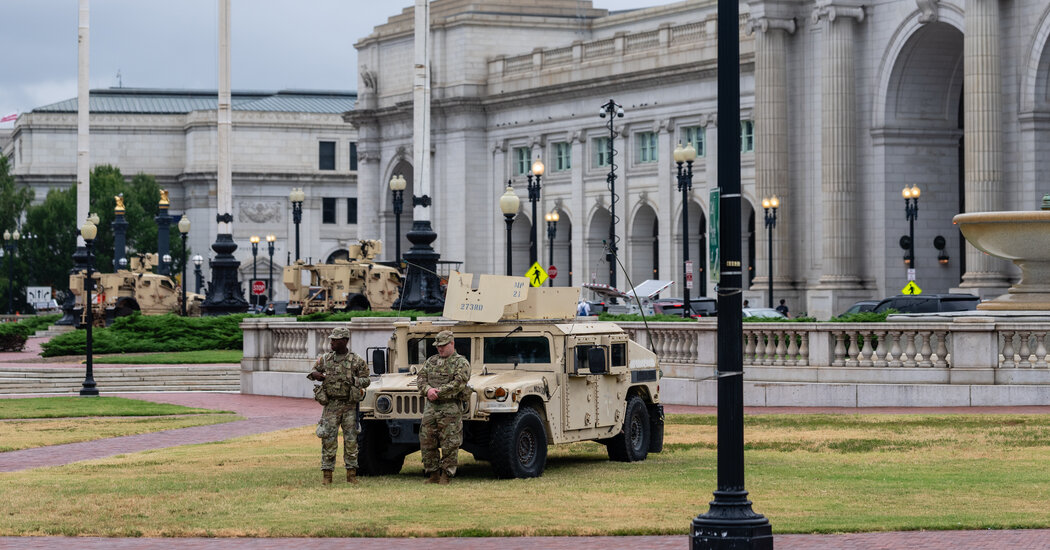
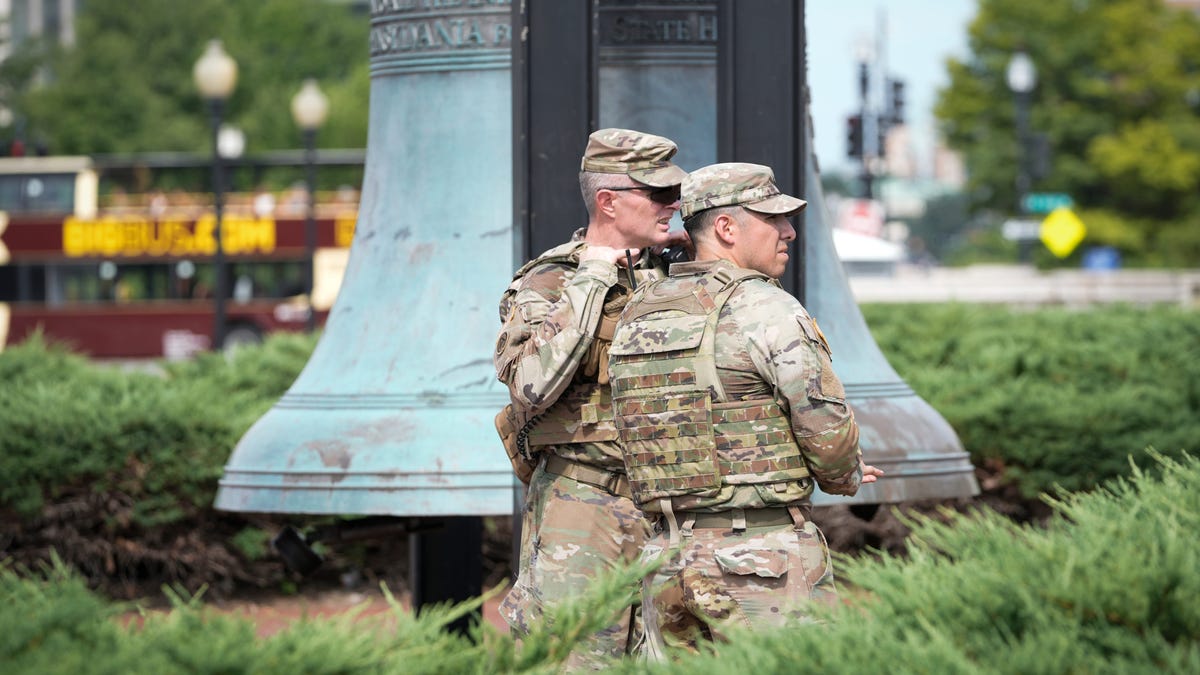
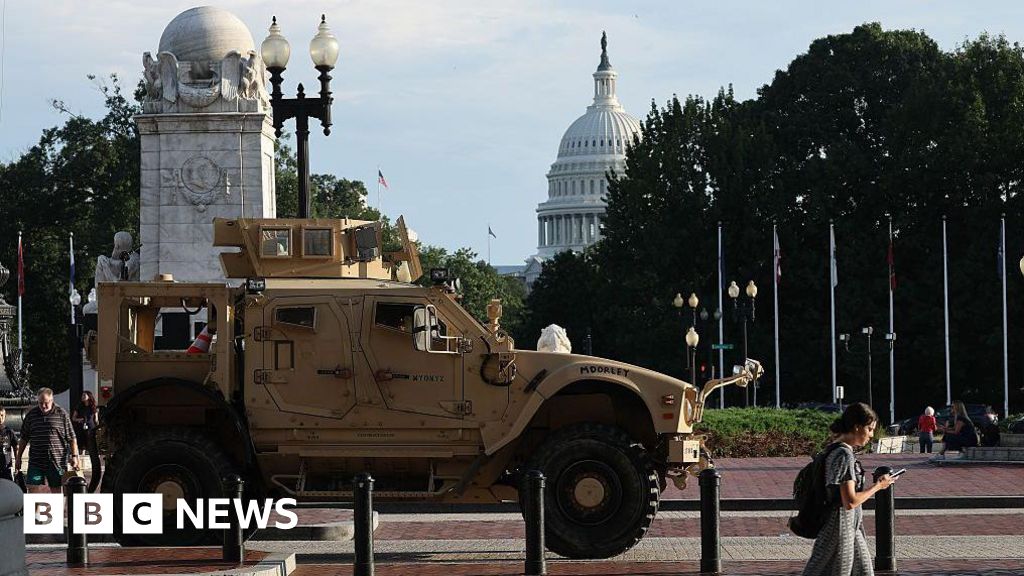
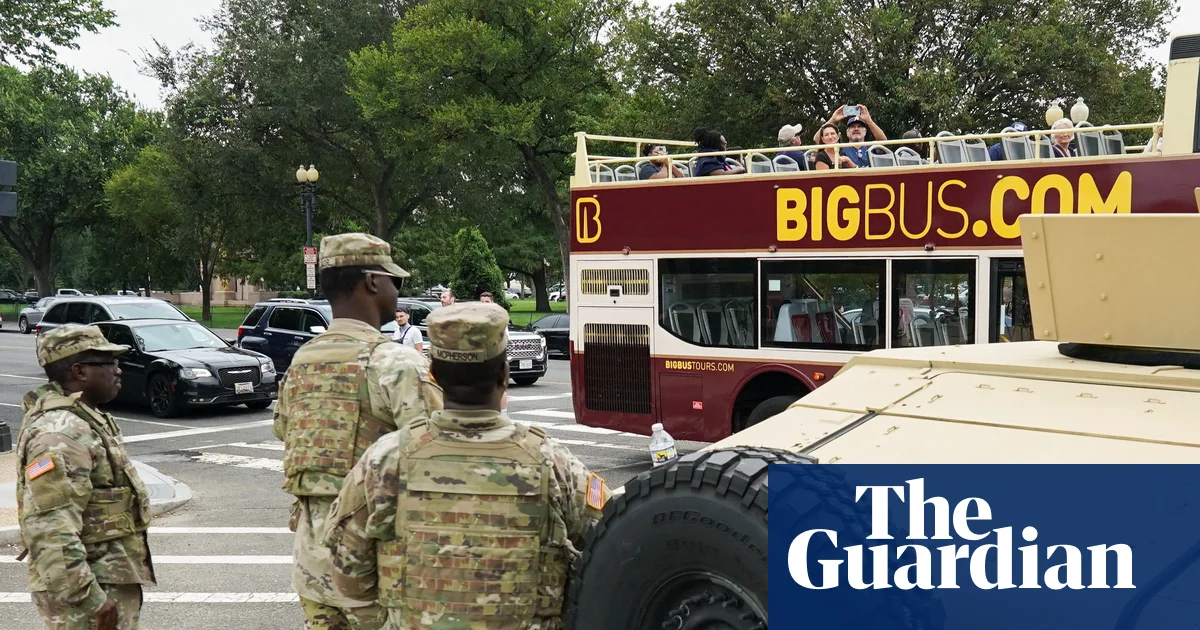
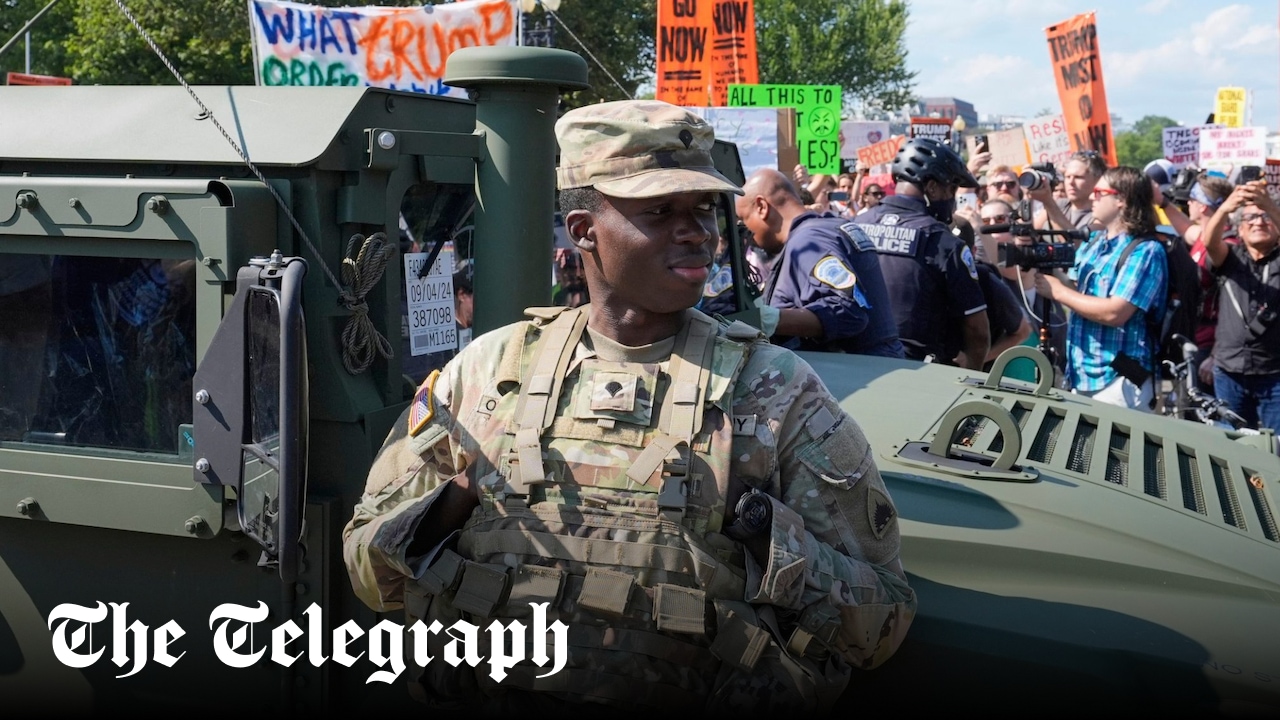
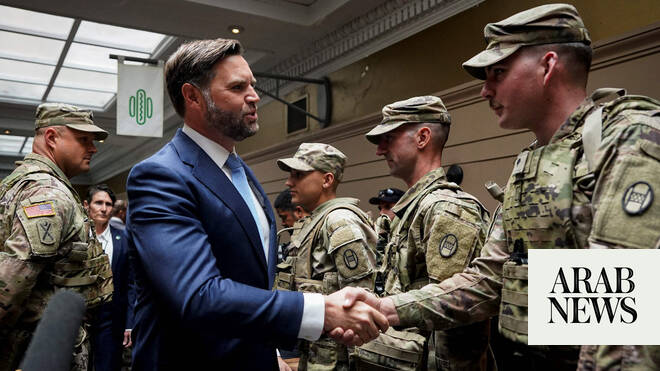
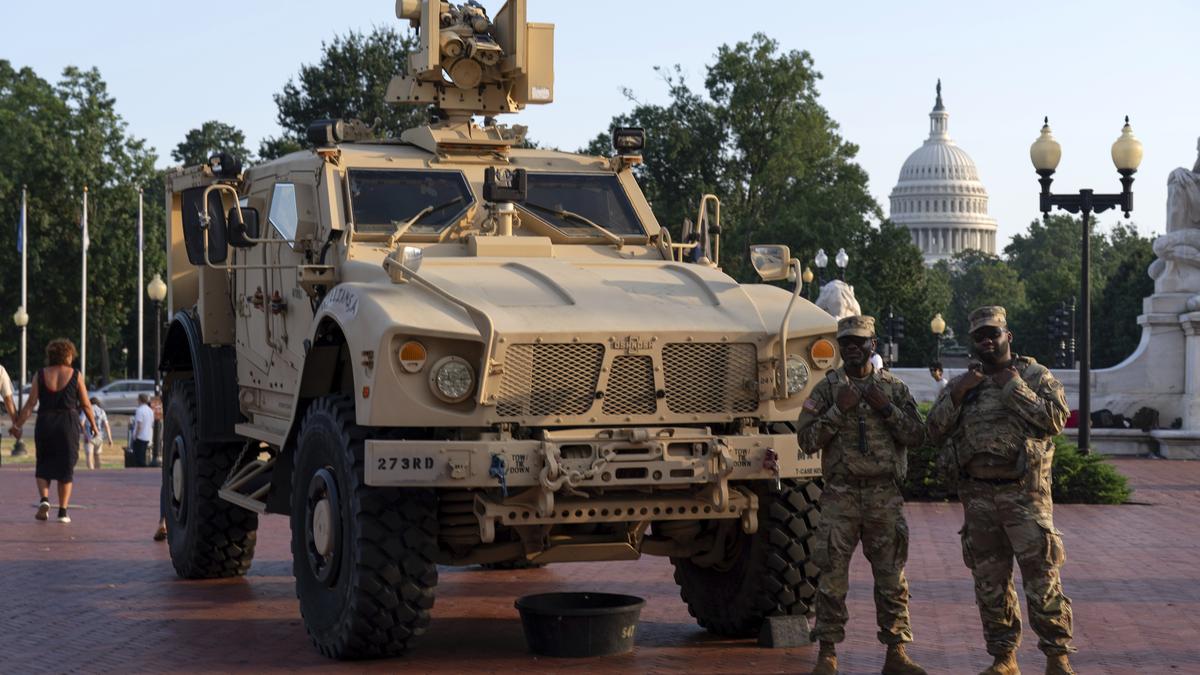
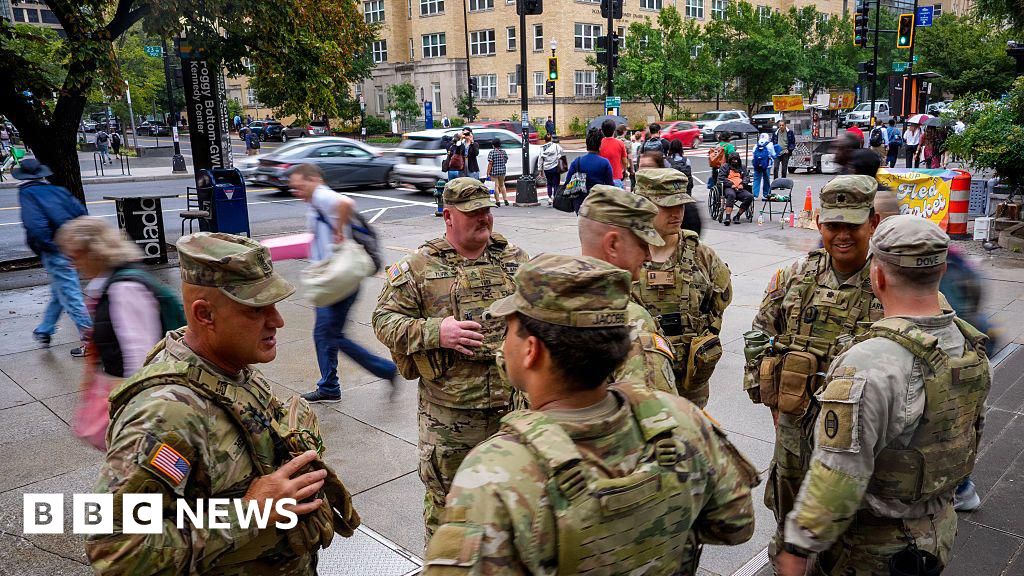
The abnormally quiet street was one of many pieces of evidence showing how President Donald Trump ’s decision to flood the nation’s capital with federal law enforcement and immigration agents has rippled through the city. While troop deployments and foot patrols in downtown areas and around the National Mall have gotten the most attention, life in historically diverse neighborhoods like Columbia Heights is being reshaped as well.
The White House has credited Trump’s crackdown with hundreds of arrests, while local officials have criticized the aggressive intervention in the city’s affairs.
The confrontation escalated on Tuesday as the top federal prosecutor in D.C. opened an investigation into whether police officials have falsified crime data, according to a person familiar with the situation who wasn’t authorized to comment publicly. The probe could be used to bolster Trump’s claims that the city is suffering from a “crime emergency” despite statistics showing improvements. The mayor’s office and the police department declined to comment.