We and our vendors use cookies and similar methods (“Cookies”) to recognize visitors and remember their preferences. We also use Cookies for a variety of purposes, including analytics, to measure marketing effectiveness and to target and measure the effectiveness of ads. You can accept or reject the use of Cookies for individual purposes below. Some vendors process your data on the basis of their legitimate interest - you can object to such processing below. Your preferences will be saved in a cookie named “fides_consent” for a maximum duration of 12 months, as well as in your registered user account if you are logged in. If you previously accepted these methods through our prior banner, then we will use your data for targeting. Your preferences will apply on nytimes.com, as well as our News, Cooking, Games and Audio apps. Your preferences here are unrelated to Apple’s App Tracking Transparency Framework.
Supported by
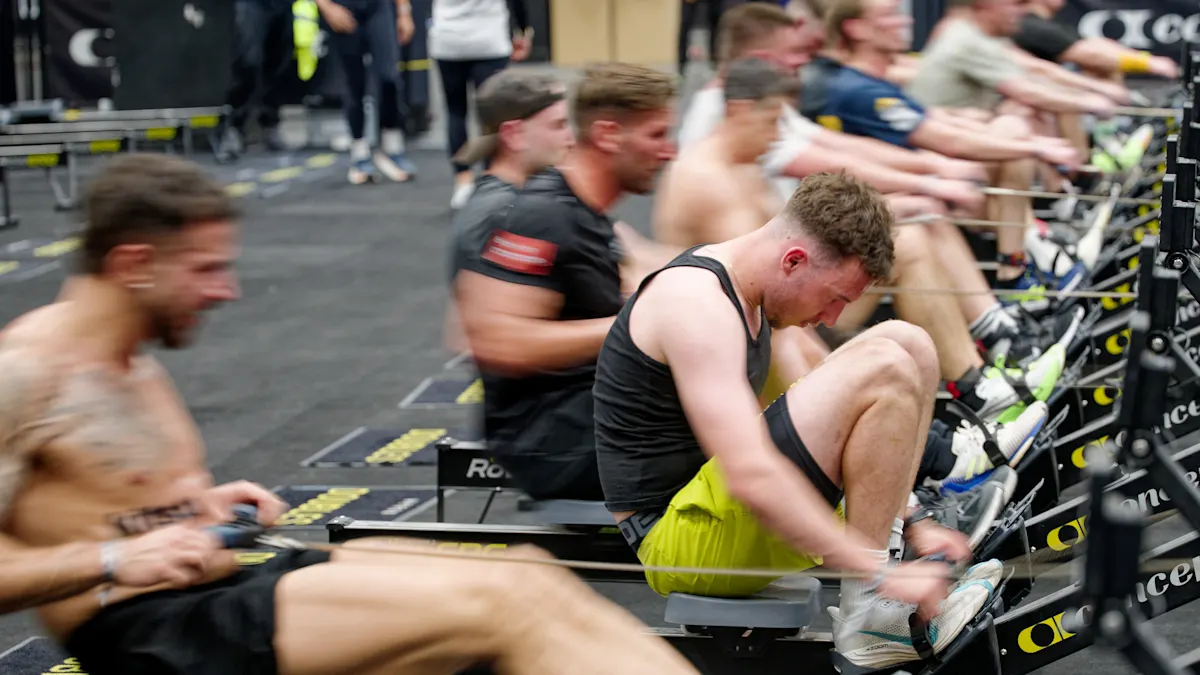
As the fitness competition Hyrox gains momentum, it is facing criticism from people who think one move in particular is not being judged correctly.
By Calum Marsh
In 2001, Greg Glassman, a personal trainer in Santa Cruz, Calif., was kicked out of the upscale fitness studio where he had been training clients for several years. Having already cycled through most of the gyms in the area, he moved into a jujitsu studio owned by one of his clients, the Brazilian martial artist Claudio Franca. Over the next year, Mr. Glassman used that small space to teach his unique fitness methodology, which he called CrossFit.