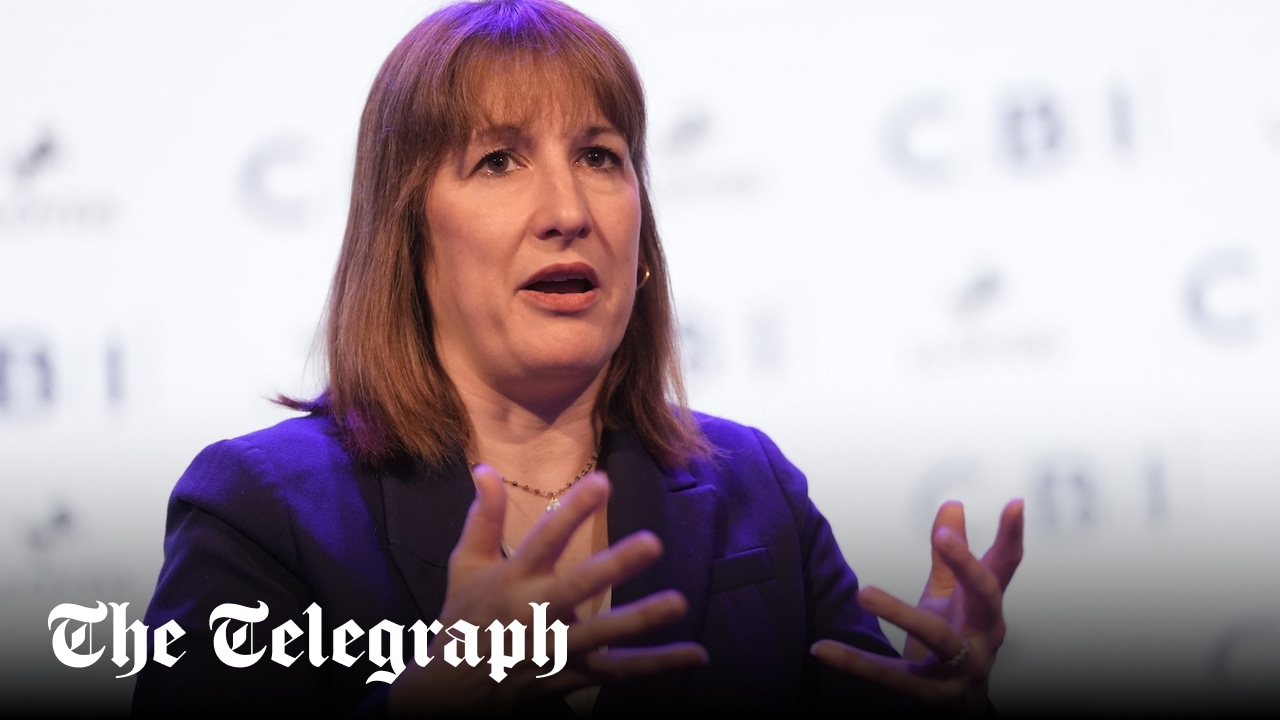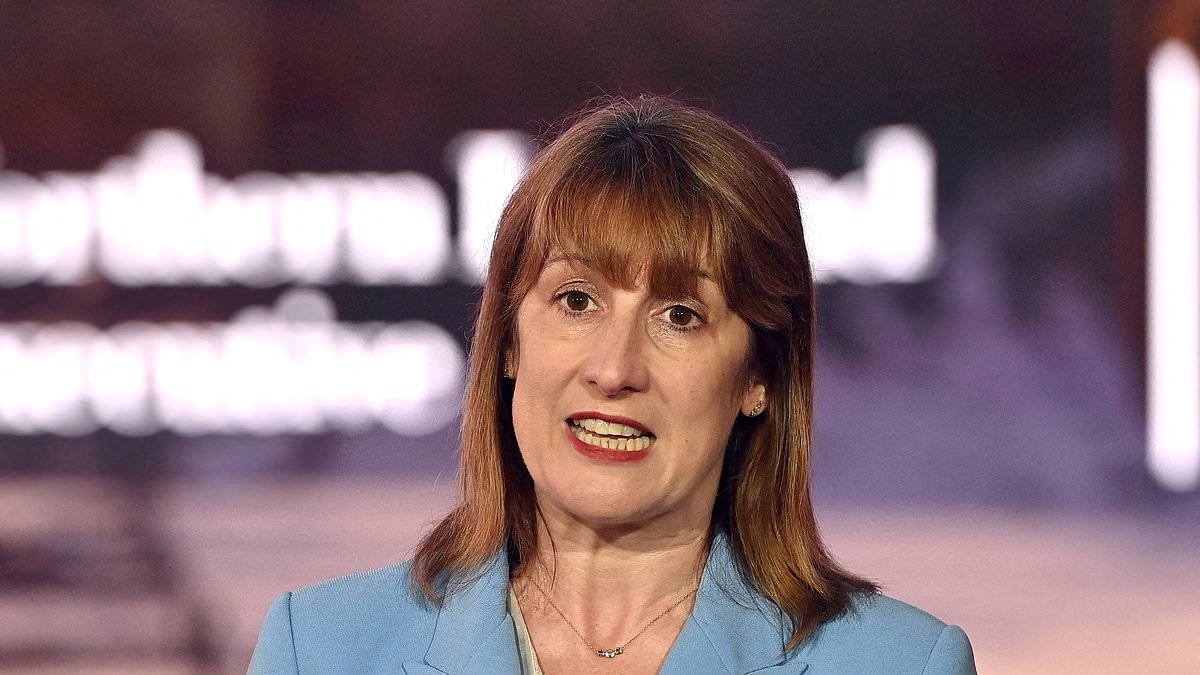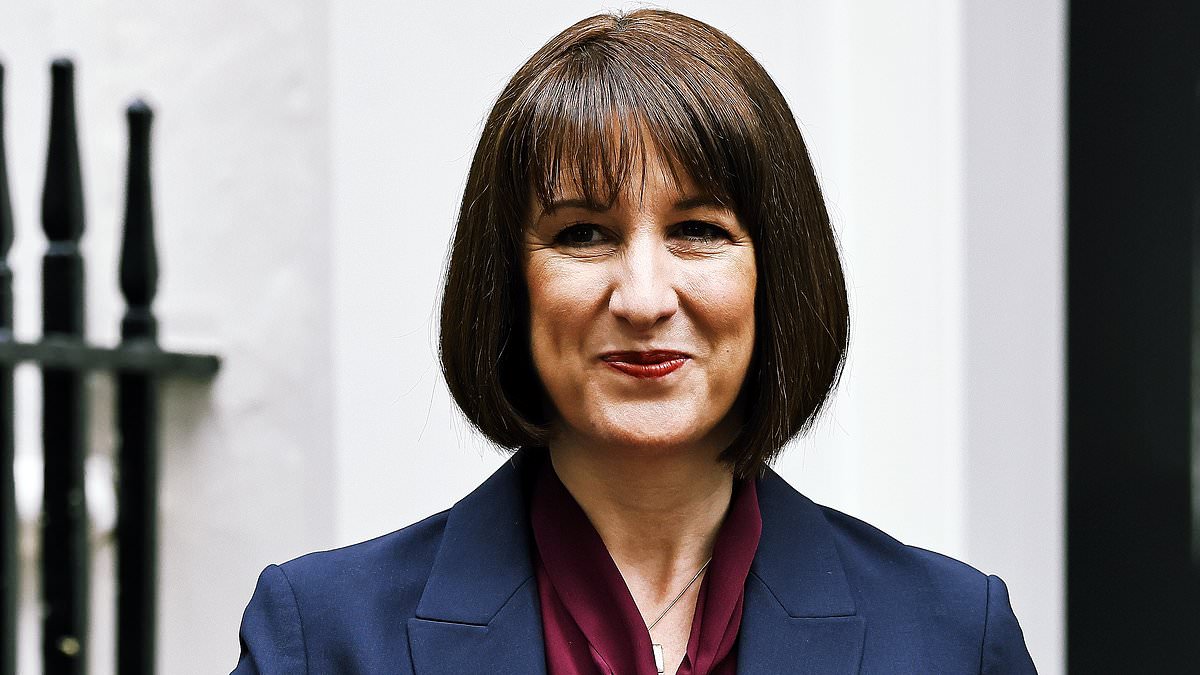
Rachel Reeves has been accused of losing control of the public finances after UK borrowing costs hit the highest level since 1998.
Yields on government bonds – known as gilts – have surged in recent days amid investor jitters over the Chancellor's plans, as well as rising inflation.
Gilts are small parcels of government debt that are traded on financial markets. When demand for them falls, investors demand a higher yield. Effectively, it means they are charging higher interest on money they are lending to Britain.
That makes it even harder for the Chancellor – already facing a financial black hole of up to £50 billion – to balance the books in the Budget, adding to the likelihood of tax rises.
Ms Reeves' £9.9 billion of 'headroom' at the time of this year's Spring Statement has been reduced by £6.5billion as a result of the rise in yields since then, according to Andrew Goodwin, UK chief economist at consultancy Oxford Economics.