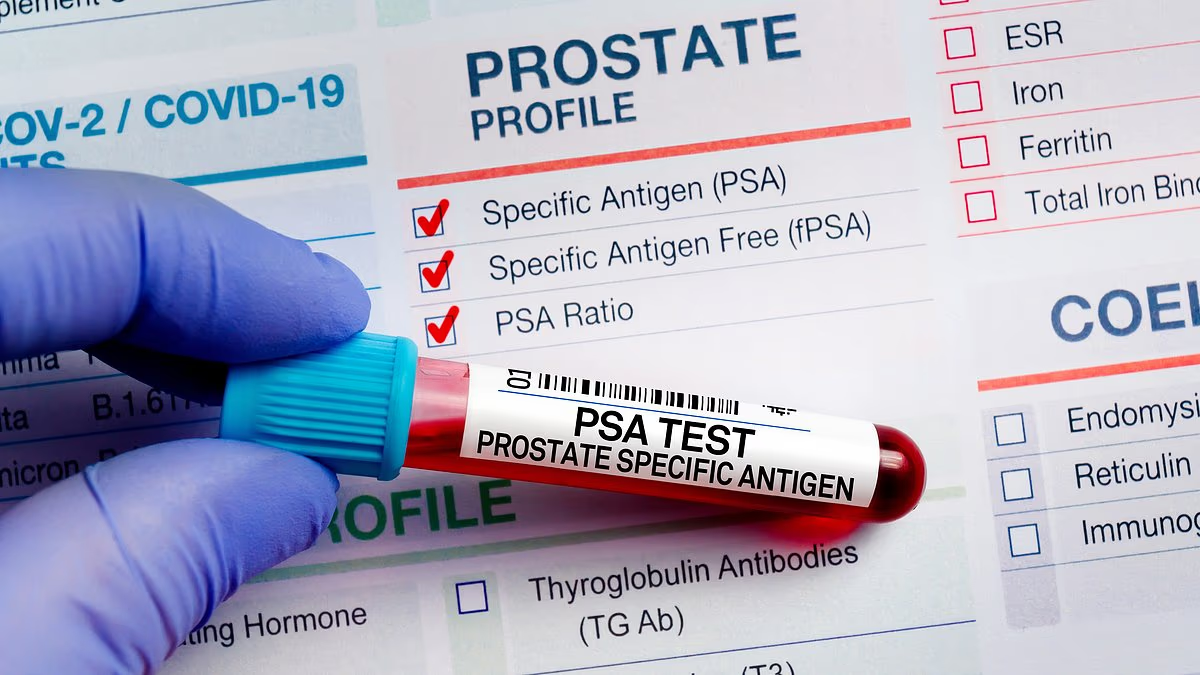
In the US, prostate cancer is the second leading cause of cancer death in men – but experts can’t agree about testing
“You will feel a little pressure.”
My doctor had instructed me to lower my boxers, bend forward and place my elbows on the table. As with most men over 50, it was time for my annual digital rectal exam, or DRE: those riveting moments when the doctor takes a “look” at the prostate gland, which is just below the bladder and in front of the rectum.
Its position makes the examination difficult. The physician inserts a well-lubricated finger into the patient’s rectum to feel for abnormalities such as lumps, nodules or areas of hardness. As uncomfortable as the procedure can be, in my experience, it rarely lasts for more than 10 seconds.
As always, she said everything looked fine. In my rush to pull my boxers up and change the subject, I didn’t bother to ask any more questions. At the time, I was clueless that as men age, the prostate becomes increasingly susceptible to cancer.