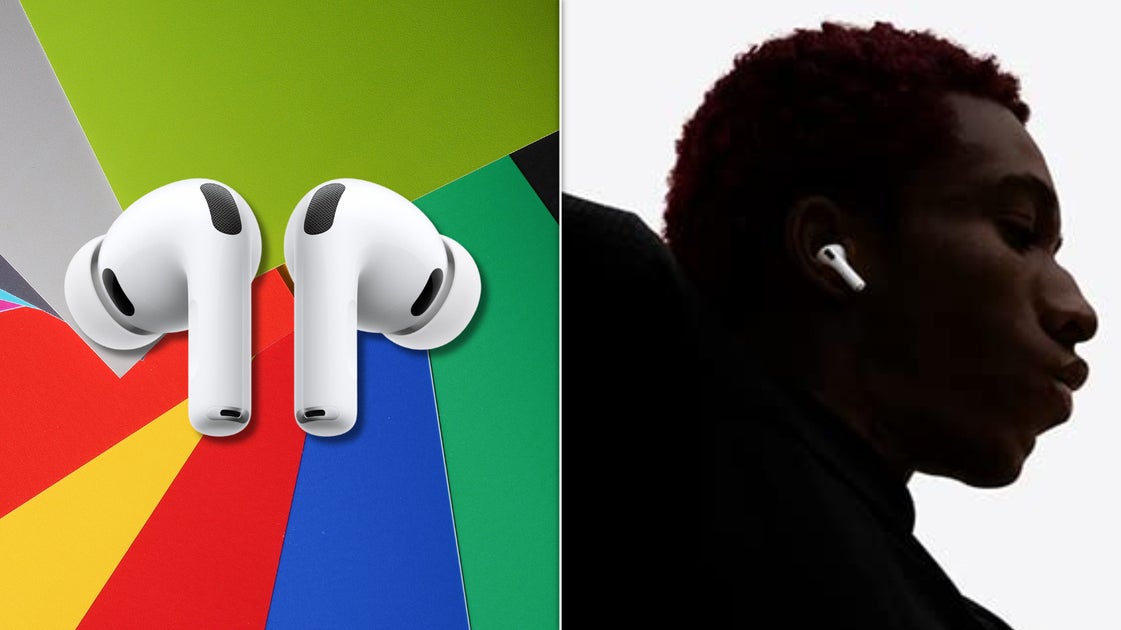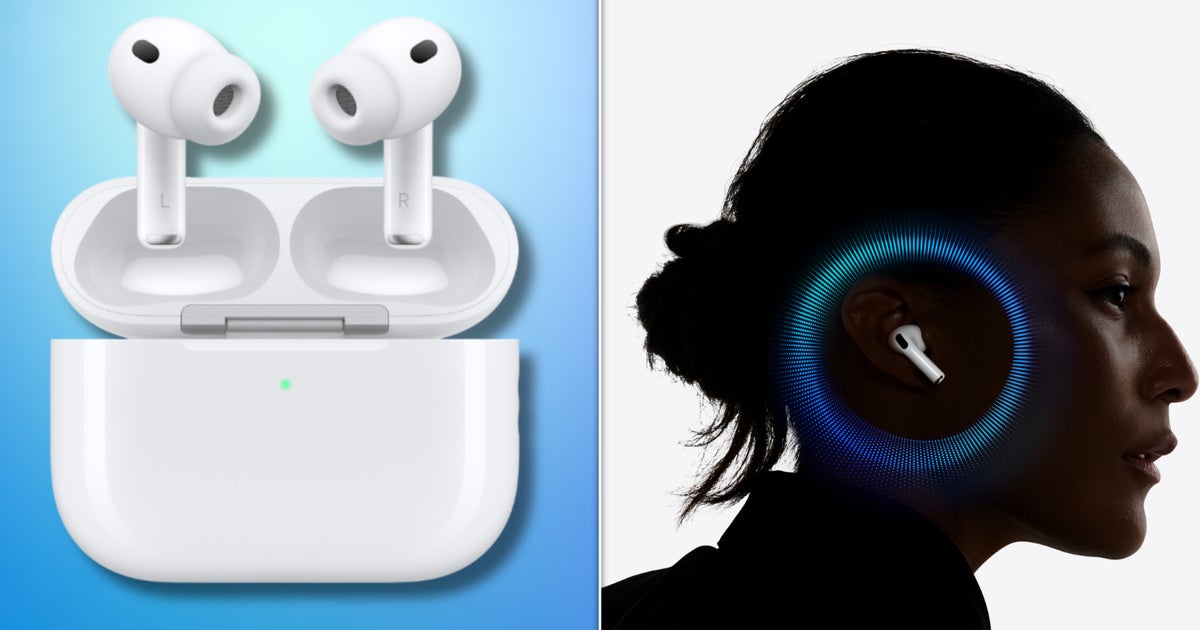
The hearing aid features first available on Apple's AirPods Pro 2 are a good start to democratizing a crucial technology.
When the US Food and Drug Administration approved over-the-counter hearing-aid software for Apple’s AirPods Pro in September 2024, with a device price point right around $200, I was excited. I have mild to medium hearing loss and tinnitus, and my everyday programmed hearing aids cost just over $2,000—a lower-cost option I chose after my audiologist wanted to put me in a $5,000 pair.
Health insurance in the US does not generally cover the cost of hearing aids, and the vast majority of people who use them pay out of pocket for the devices along with any associated maintenance. Ninety percent of the hearing-aid market is concentrated in the hands of a few companies, so there’s little competitive pricing. The typical patient heads to an audiology clinic, takes a hearing test, gets an audiogram (a graph plotting decibel levels against frequencies to show how loud various sounds need to be for you to hear them), and then receives a recommendation—an interaction that can end up feeling like a high-pressure sales pitch.
They could help wearers focus on specific voices in noisy environments, such as a friend in a crowd or a tour guide amid the urban hubbub.