Stay up to date with notifications from The IndependentNotifications can be managed in browser preferences.Jump to contentThank you for registeringPlease refresh the page or navigate to another page on the site to be automatically logged inPlease refresh your browser to be logged inAllNewsSportCultureLifestyleNew citizen science testing, conducted by the Big Windermere Survey, has revealed "really concerning" pollution levels in Windermere, England's largest lake. The survey, involving 350 volunteers over two and a half years, found harmful bacteria and phosphorus levels that fail water quality standards, with "hotspots" of contamination identified. Much of the lake's shoreline failed bathing water quality standards for illness-causing bacteria during summer, and phosphorus levels, linked to wastewater and agricultural run-off, exceeded expected standards. The Freshwater Biological Association warns that without urgent action, rare species like Arctic char face decline, and states that the evidence demands decisive action to improve water quality. Campaigners are calling for urgent investigation and resolution of pollution hotspots, increased Environment Agency monitoring, investment in wastewater facilities, and continued funding for the Big Windermere Survey. In fullWarning issued after tests reveal ‘really concerning’ pollution in WindermereThank you for registeringPlease refresh the page or navigate to another page on the site to be automatically logged inPlease refresh your browser to be logged in
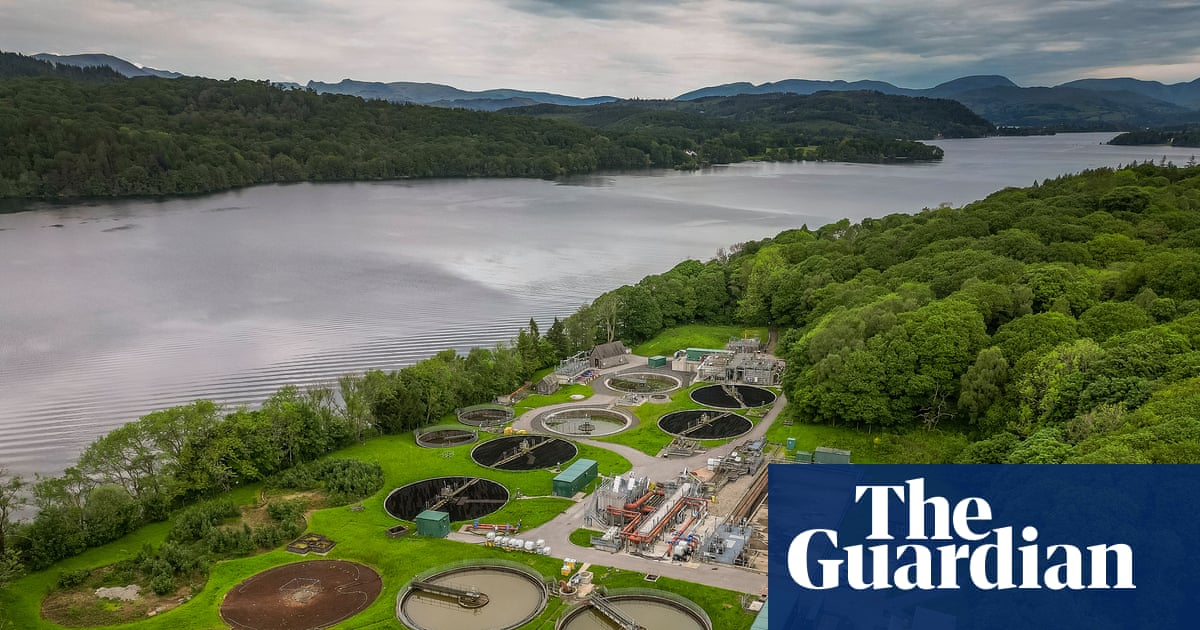
Harmful levels of bacteria found in England’s most famous lake
Stay up to date with notifications from The IndependentNotifications can be managed in browser preferences.Jump to contentThank you for registeringPlease refresh the page or navigate to another page on the site to be automatically logged inPlease refresh your browser to be logged inAllNewsSportCultureLifestyleNew citizen science testing, conducted by the Big Windermere Survey, has revealed "really concerning" pollution levels in Windermere, England's largest lake. The survey, involving 350 volunteers over two and a half years, found harmful bacteria and phosphorus levels that fail water quality standards, with "hotspots" of contamination identified. Much of the lake's shoreline failed bathing water quality standards for illness-causing bacteria during summer, and phosphorus levels, linked to wastewater and agricultural run-off, exceeded expected standards. The Freshwater Biological Association warns that without urgent action, rare species like Arctic char face decline, and states that the evidence demands decisive action to improve water quality. Campaigners are calling for urgent investigation and resolution of pollution hotspots, increased Environment Agency monitoring, investment in wastewater facilities, and continued funding for the Big Windermere Survey. In fullWarning issued after tests reveal ‘really concerning’ pollution in WindermereThank you for registeringPlease refresh the page or navigate to another page on the site to be automatically logged inPlease refresh your browser to be logged in