The dispute over the embassy is more than a planning row; it is a microcosm of UK-China relations
In a world increasingly defined by digital diplomacy and virtual communication, the persistent struggle over bricks and mortar might seem like an old-fashioned skirmish.
For centuries, diplomatic buildings have been a powerful statement of a country’s prowess. These structures convey national ranking, cultural confidence and even taste. A new, large-scale embassy signifies a nation’s rising status and its commitment to a long-term presence in a host country.
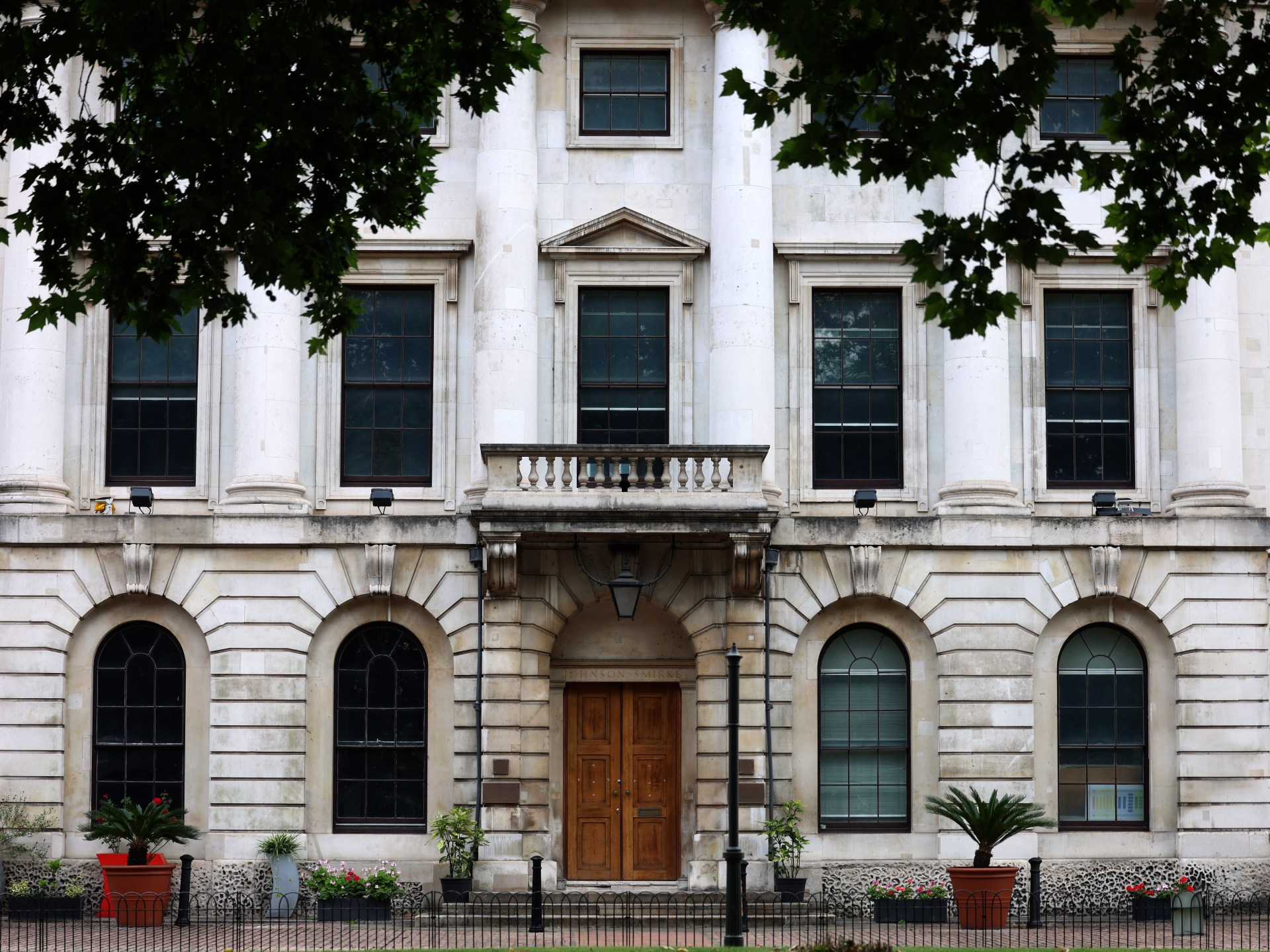
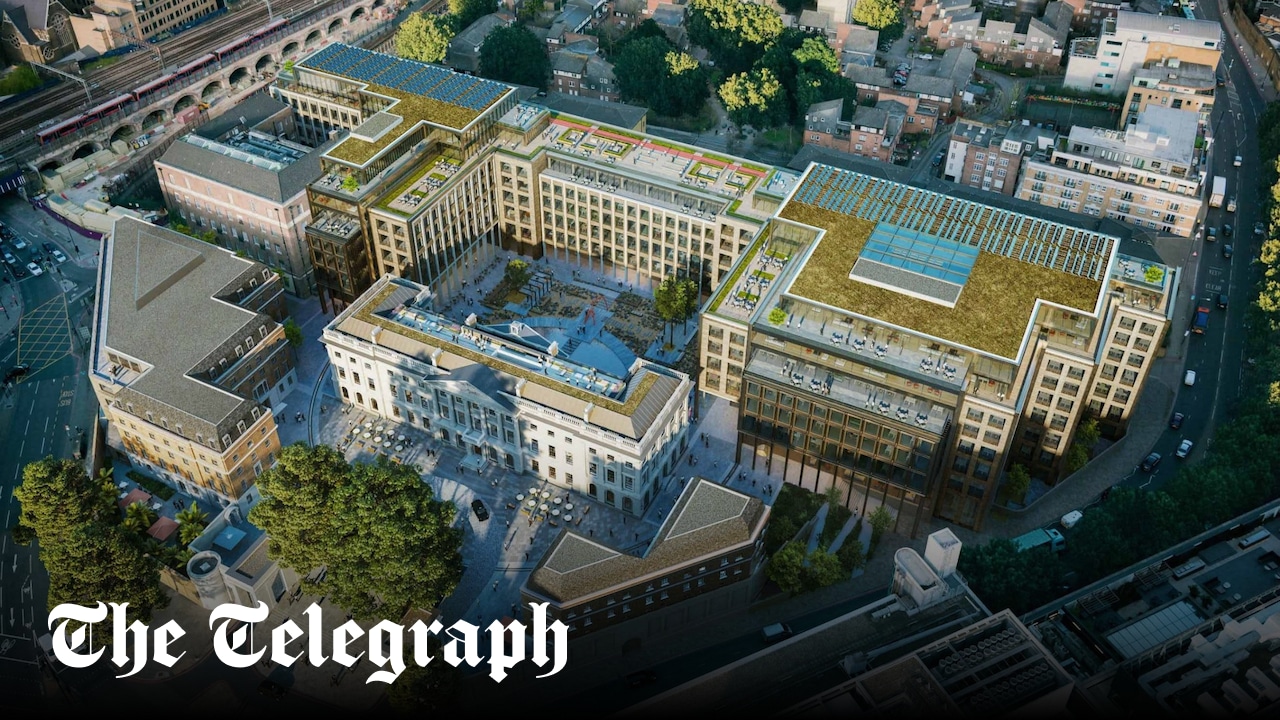
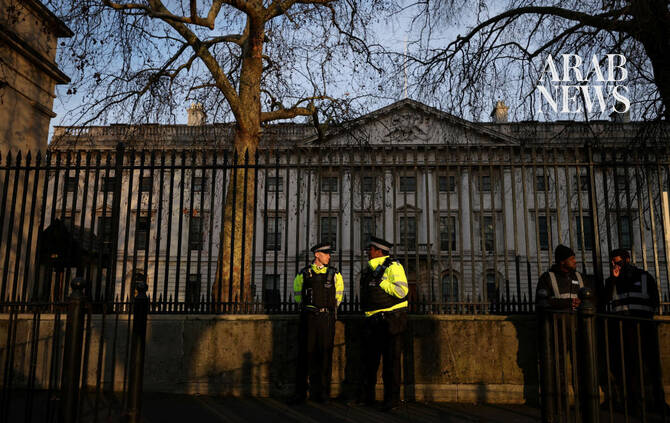
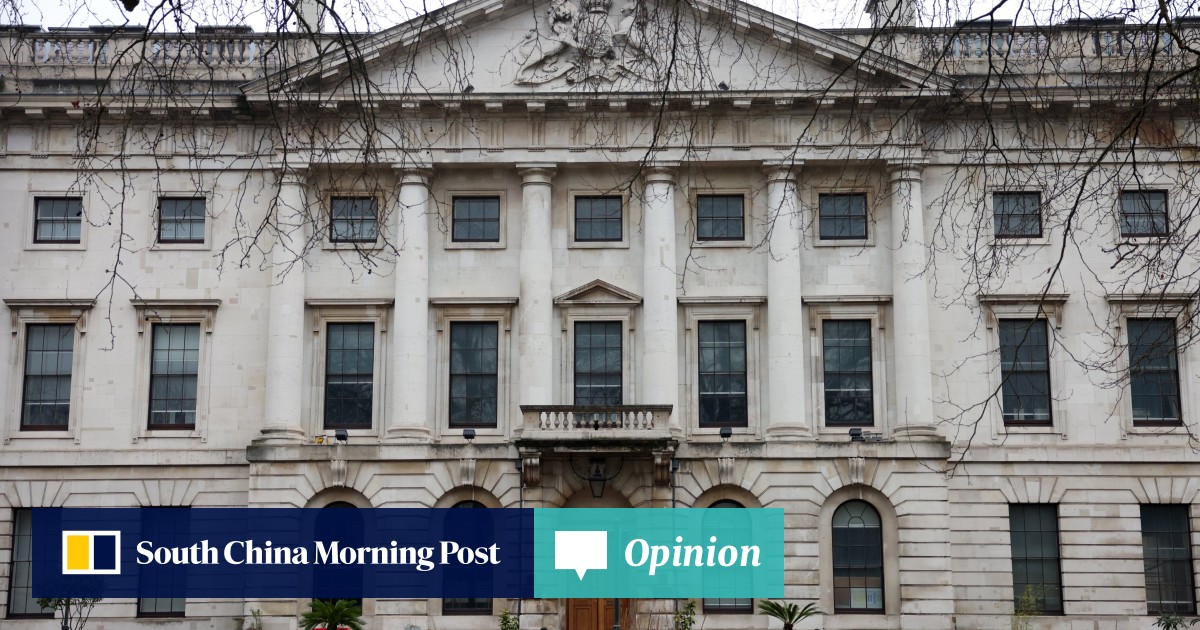
China’s planned embassy in London is slated to be located at the former Royal Mint site. The plan is to transform the historic five-acre plot into a state-of-the-art diplomatic hub. This project sends a clear double message. First, by committing to such a colossal presence, China signals that it considers London a critically significant global capital, a key partner in finance, trade and diplomacy. Second, the sheer scale and modernity of the proposed building project serve as a powerful visual metaphor for China’s rise as a global superpower.
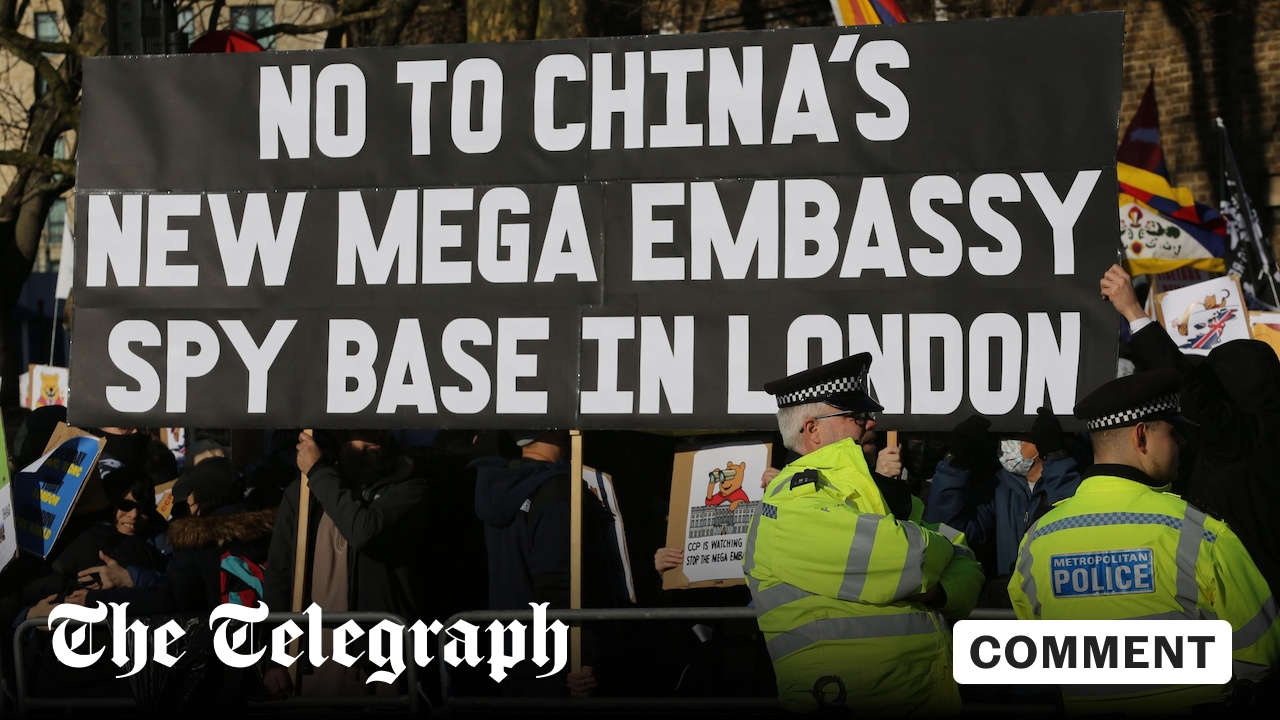
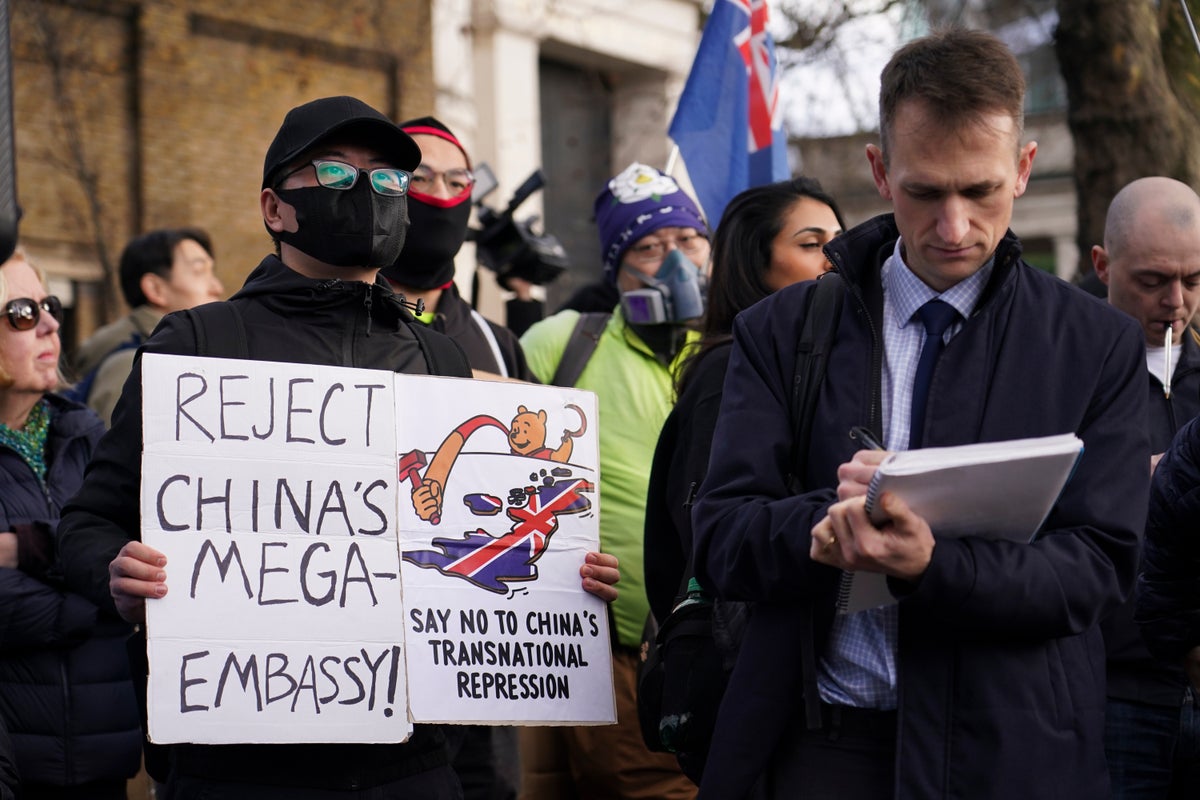
Another key sticking point is planning permission, specifically regarding security and public safety. Some residents are concerned about the potential for protests and demonstrations, which could overwhelm the area. The site is a Grade II listed building, adding further complexity to its redevelopment.