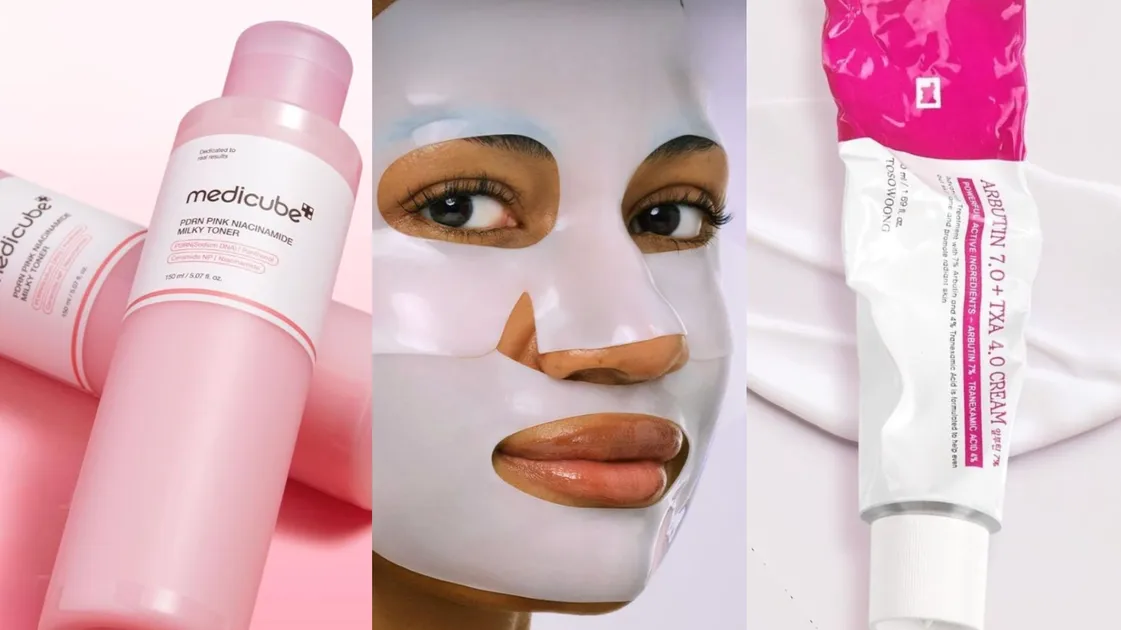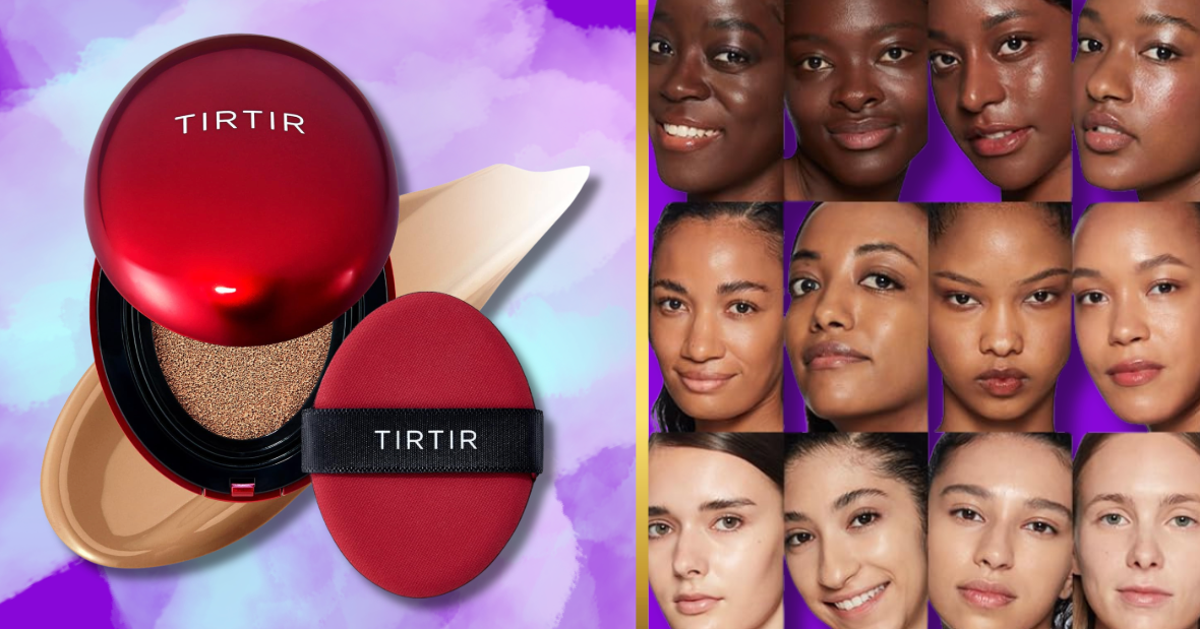
The first time I tried a K-beauty product a few years ago during the pandemic, I remember sighing in frustration as the small swatch of the cushion foundation I swiped on left me looking like I fell face-first into a bowl of flour, despite being advertised as “tan-warm.”
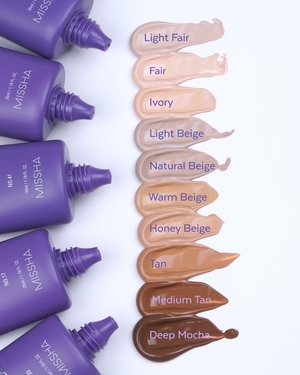
My disappointment, while valid, was not exclusive. For decades, K-beauty brands catered exclusively to fairer skin (which admittedly was their original core consumer base) and often lacked the warmer undertones found in deeper skin tones. Many products would be marketed as “deep” or “tan” but would often have a gray or ashy hue, leaving consumers and K-beauty lovers like myself between a rock and a hard place — we wanted to support our favorite international brands, but did they support us?
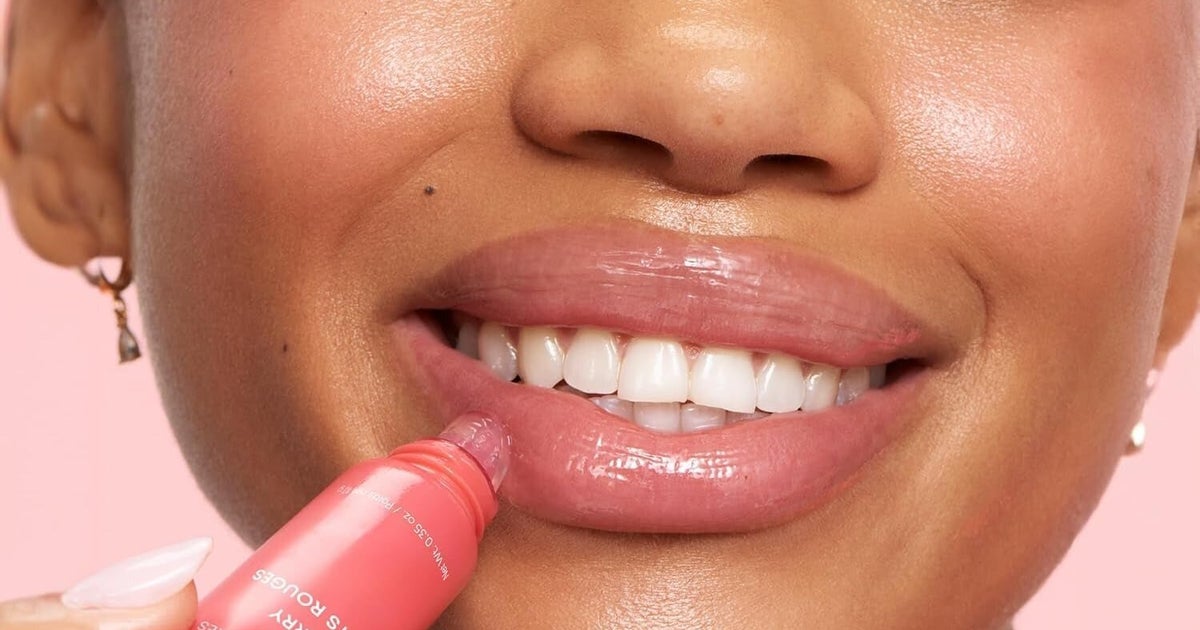
However, as K-beauty experienced its second wave in 2024 in the United States, its approach to inclusivity improved. After calls from influencers and Black and brown communities to expand their shade range, brands improved their shopping ethos. Famed cushion and serum foundations boasted actual warmer undertones, while lipsticks and lip stains contained more pigment and deeper colors to complement darker skin. Household names such as Beauty of Joseon gained notoriety when they expanded their shade range, and brands even tapped members of the community for help on formulating products.