In just the past week, the Department of Veteran’s Affairs, the Environmental Protection Agency, U.S. Citizenship and Immigration Services and the Federal Emergency Management Agency canceled union contracts covering nearly 500,000 federal government workers. The reason: national security.
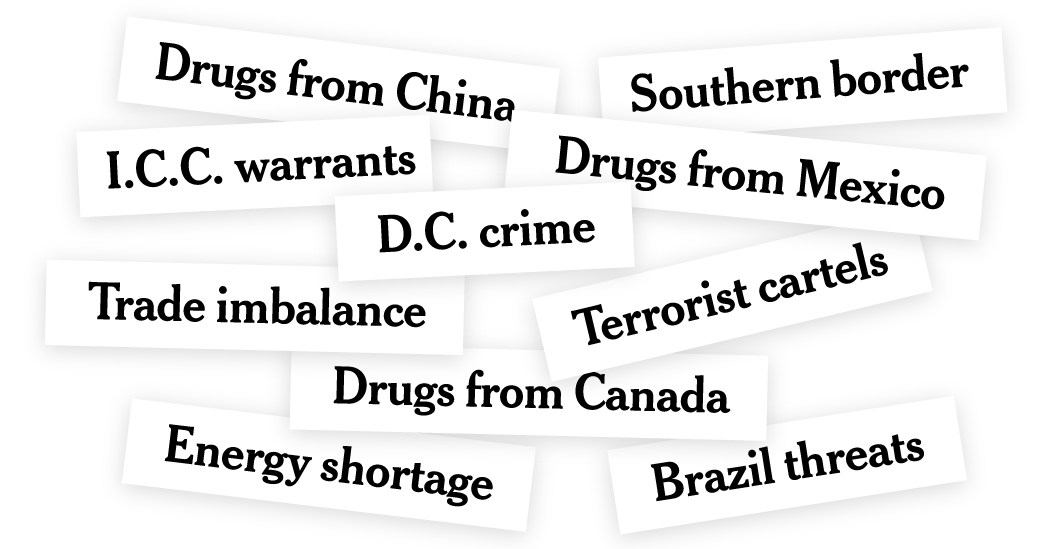
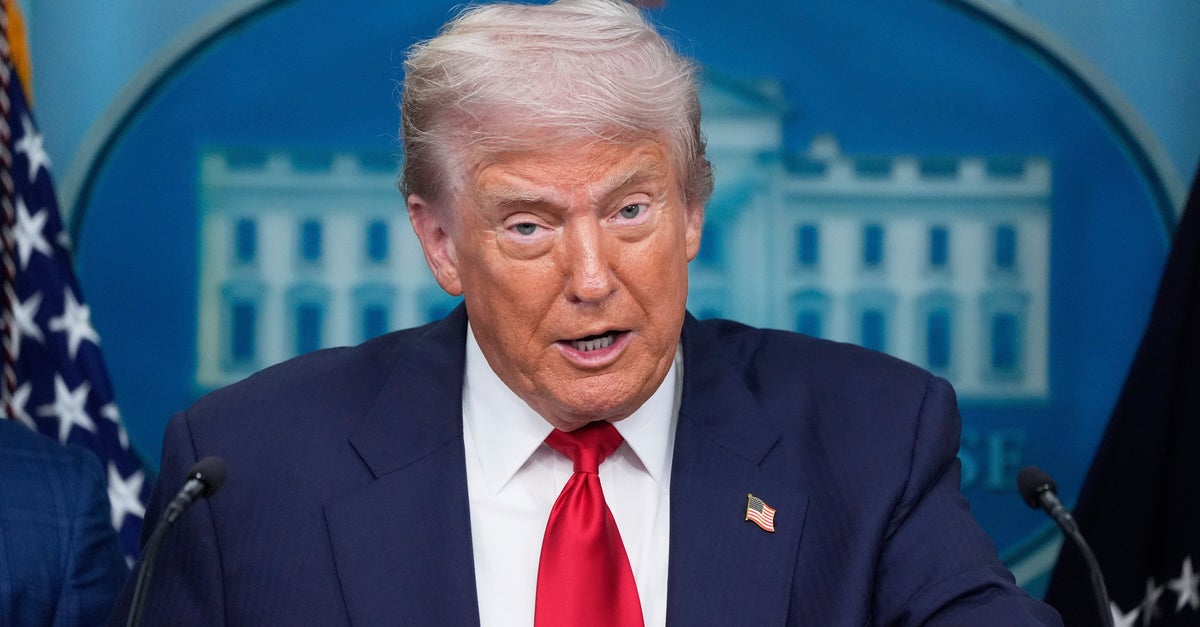
Since retaking office in January, President Donald Trump has often justified his expansive — and oftentimes illegal — view of executive branch power by invoking national security in policy announcements. To strip union protections from nearly 75% of the federal government workforce, he issued an executive order labeling numerous agencies as having national security as their primary responsibility, despite many of these agencies having little to do with traditional conceptions of national security.
Trump’s broad brush application of national security to his policies has a twofold purpose. First, many laws authorizing the president to take unilateral action require an assertion or declaration they are being invoked in defense of national security. And second, courts have long offered deference to presidents when they assert powers under the umbrella of national security or foreign affairs.
The aim is to use these emergency powers and claims of national security threats to cement Trump’s unitary control of the government. With Congress in Trump’s pocket, the courts stand as the lone potential bulwark among the branches of government. But in declaring everything a national security threat, Trump hopes to bypass the courts by relying on these longstanding principles of deference on those issues to rule by decree.