Neither of us support the organisation, but what is happening fails to either protect protest or make it policeable. There is another way
Stella Creasy is Labour and Cooperative MP for Walthamstow. Peter Hain was Labour MP for Neath and now sits in the House of Lords
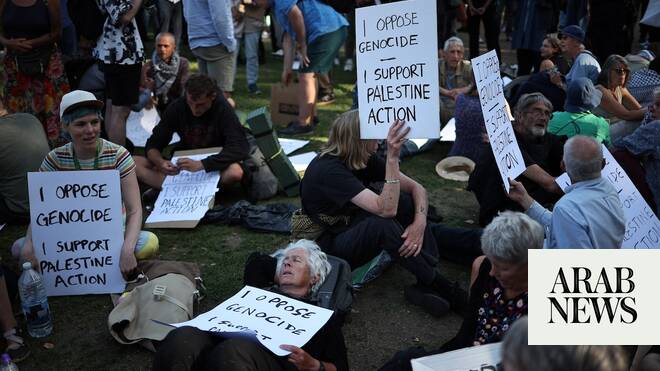
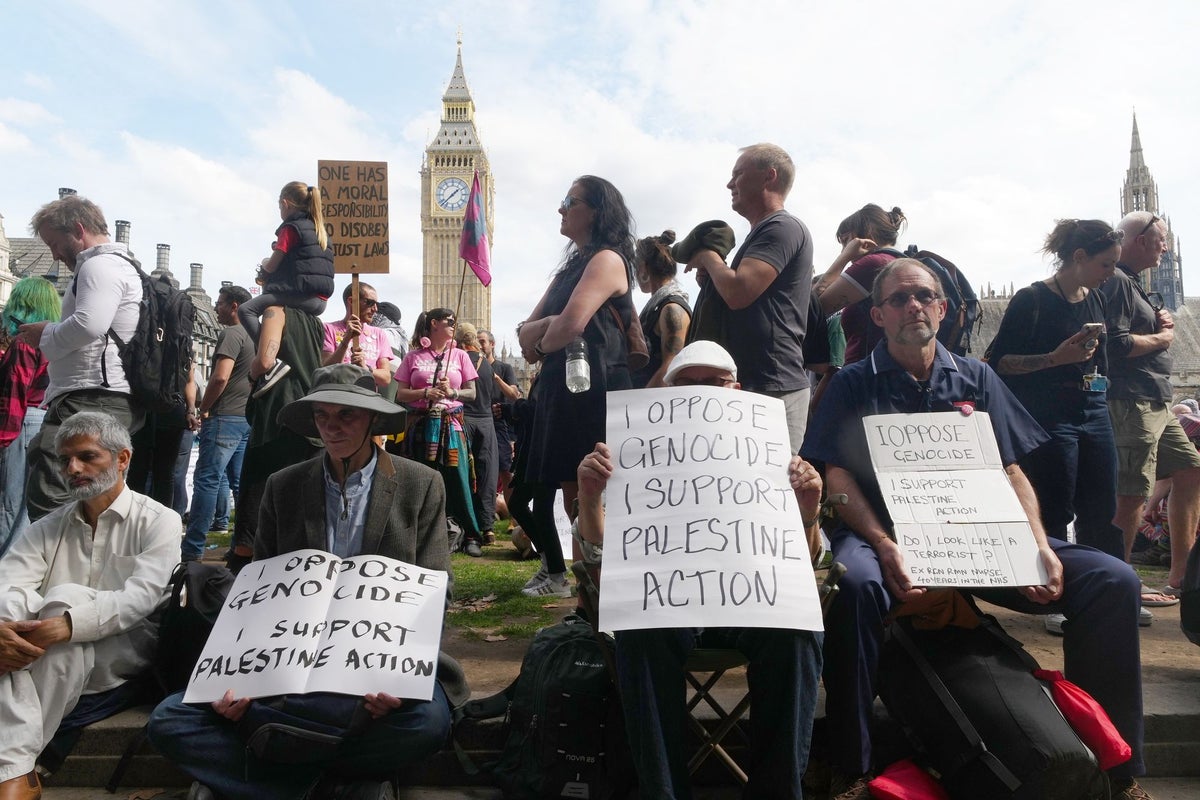
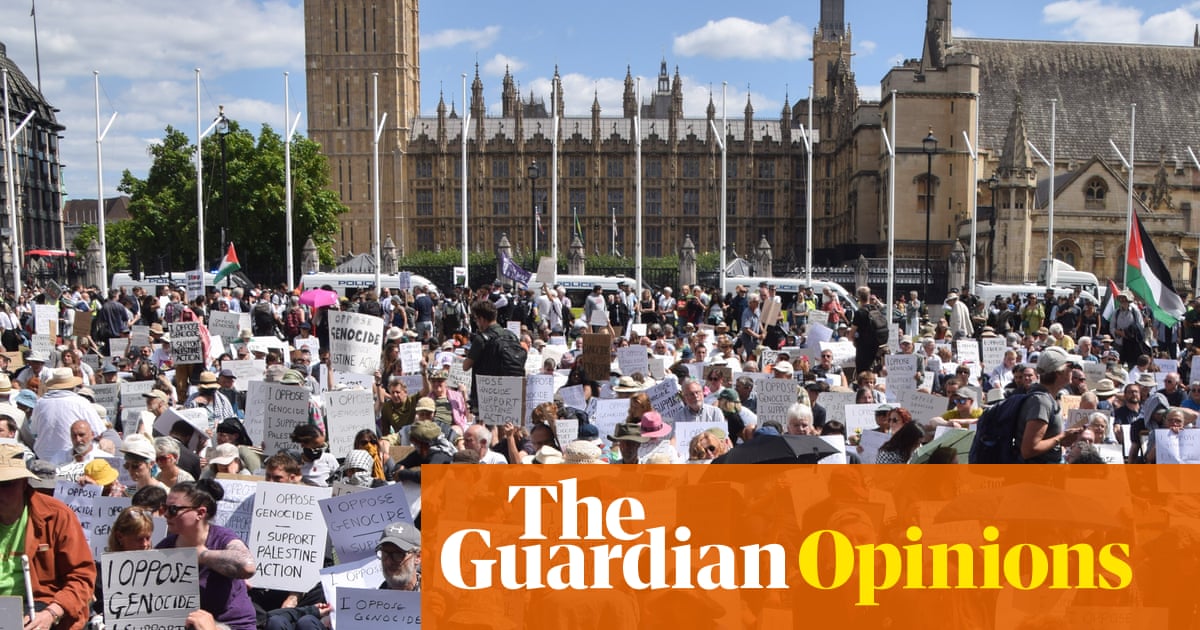
Is terrorism really a vicar with a peaceful placard?
As parliamentarians who are passionate about democracy and civil liberties, we know that both are under threat. A growing number of organisations encourage violence and intimidation in pursuit of political aims. MPs are besieged with threats, advised not to hold in-person surgeries and are grieving still for two colleagues killed in the past 10 years. Anti-migrant protests and threats are encouraged by the far right to take place across the country. Yet attempts to address all this are increasingly destabilising public confidence in politics, emboldening those who fan the flames of hatred by claiming a “two-tier” response. Without change, the danger that someone will get hurt – or killed again – will only grow.
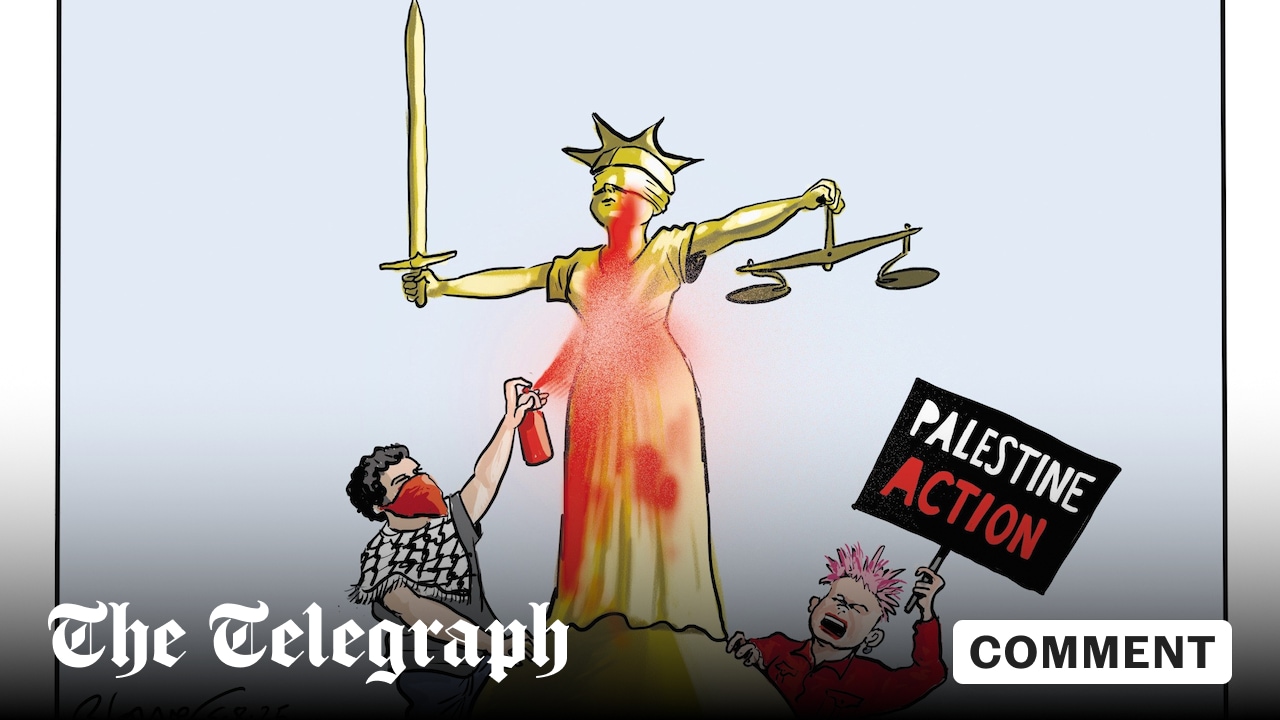
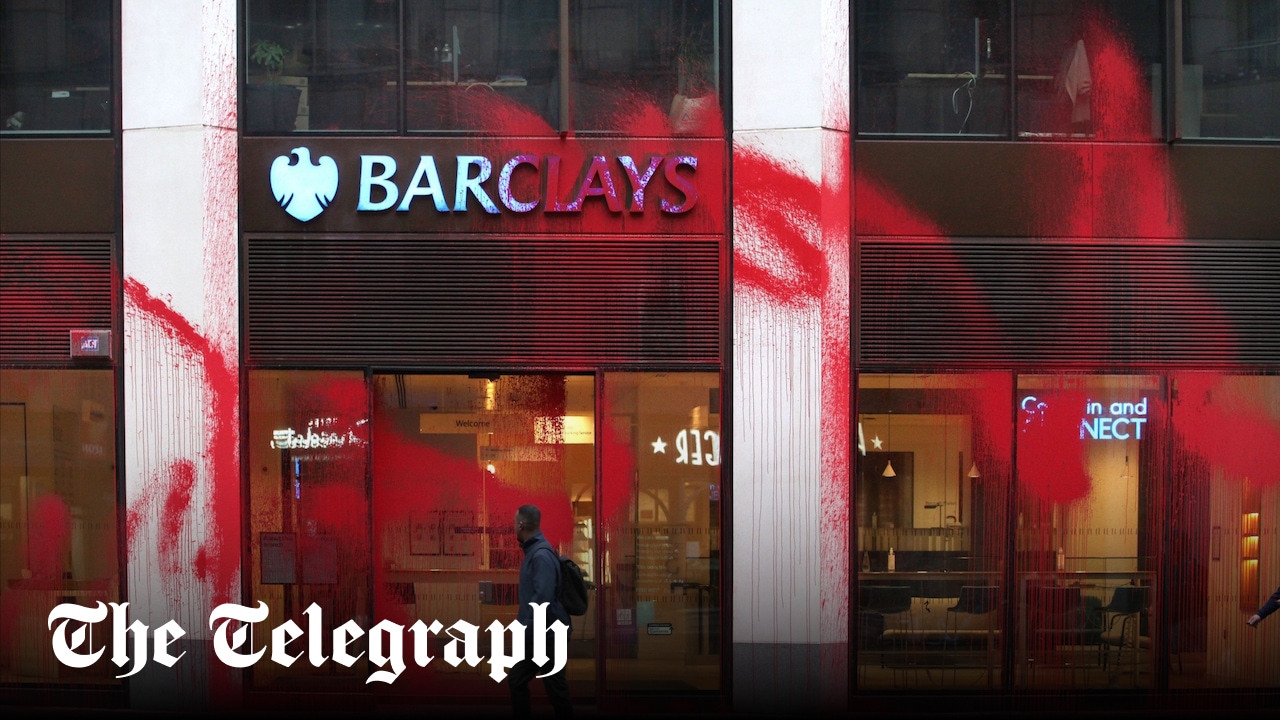
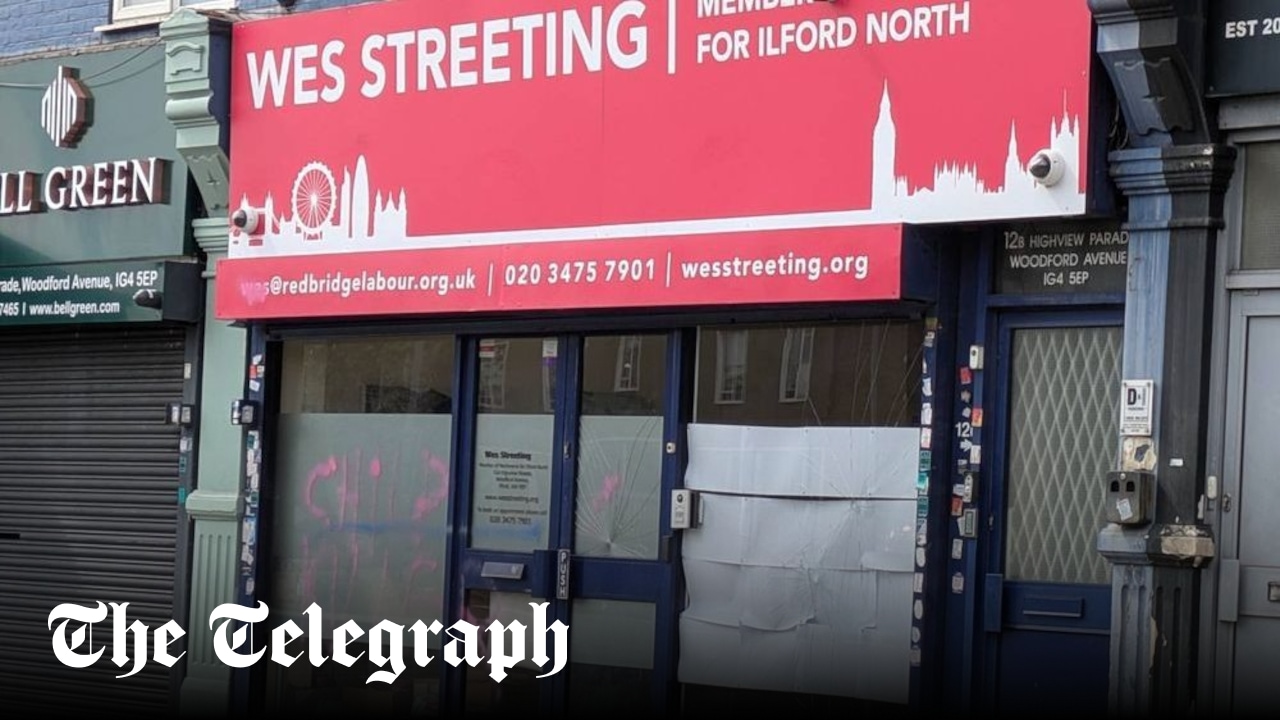
Driven by both homegrown and overseas extremism, and social media algorithms, there is a growing trend for direct action to end in physical harm or destruction in order to get noticed. Proscription is the primary tool open to governments to put a hard stop to this, but with nearly 100 organisations and hundreds more Britons now labelled “terrorists” in recent weeks, it is becoming increasingly difficult to maintain parity between the organisations proscribed within the public mind. For any law to be effective, it has to be workable and legitimate. For it to defend democracy, it must also not be designed – or be seen to be designed – to spare ministers the difficulties of dealing with dissent. Proscription puts the person peacefully expressing opposition into the same category as the person planting a bomb or shooting a bullet.