New book looks back at the history of the controversial prison practice while pushing for its dismantling
Terry Kupers can’t sleep. The veteran psychiatrist, author and solitary confinement expert, 81 and still working on multiple projects, is particularly troubled by the brutal spate of Immigration and Customs Enforcement (Ice) raids rocking communities around the US.
“My father came from Russia, so I’m an immigrant’s son,” he said. “I can’t live with these raids. I need to do something about it.”
Recently, “doing something” has meant putting the finishing touches on a new book, Ending Isolation: The Case Against Solitary Confinement, which Kupers co-authored with three others.
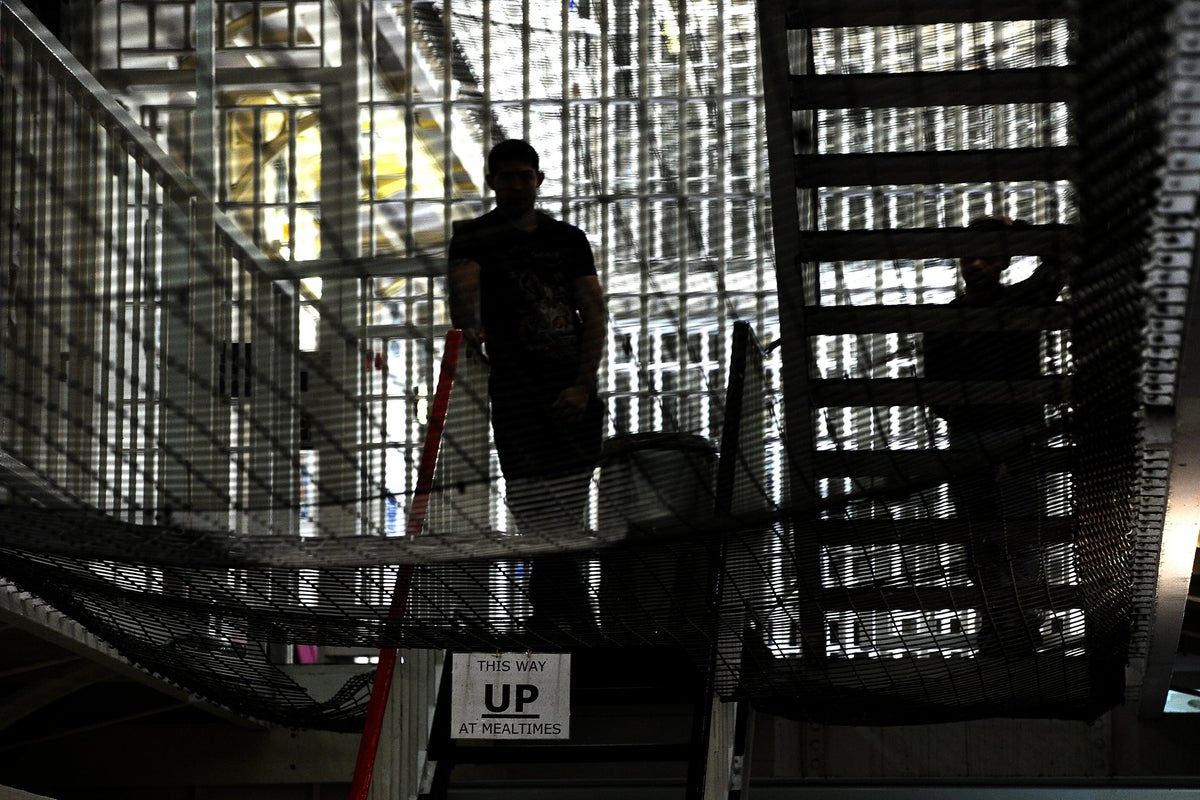
Out on 4 September from Pluto Press, the book is an exhaustingly researched takedown of solitary confinement: the practice of isolating an incarcerated person for hours, days, weeks or even years in a cell all their own. It’s a practice long decried by experts including Kupers, but despite their repeated warnings, researchers and advocates generally agree that anywhere between 75,000 and 80,000 people are locked in solitary confinement in the US on any given day. The true number could be much higher, and as the book points out, “there is no evidence that solitary confinement actually reduces violence. Instead, there are research findings that point strongly to the opposite conclusion, that solitary confinement worsens the problem of violence, both within prisons and in the public.”