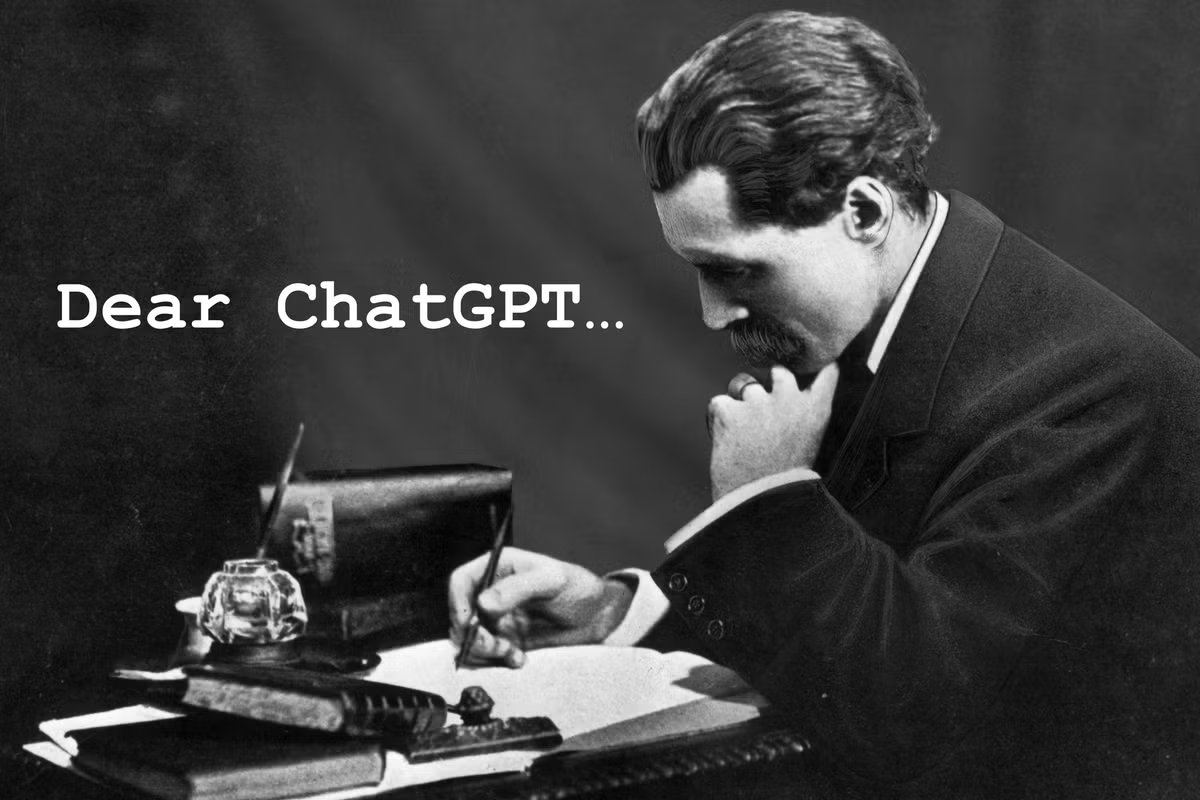
Sympathy Tower Tokyo attracted controversy for being partly written using AI. Does its author think the technology could write a better novel than a human?
“I
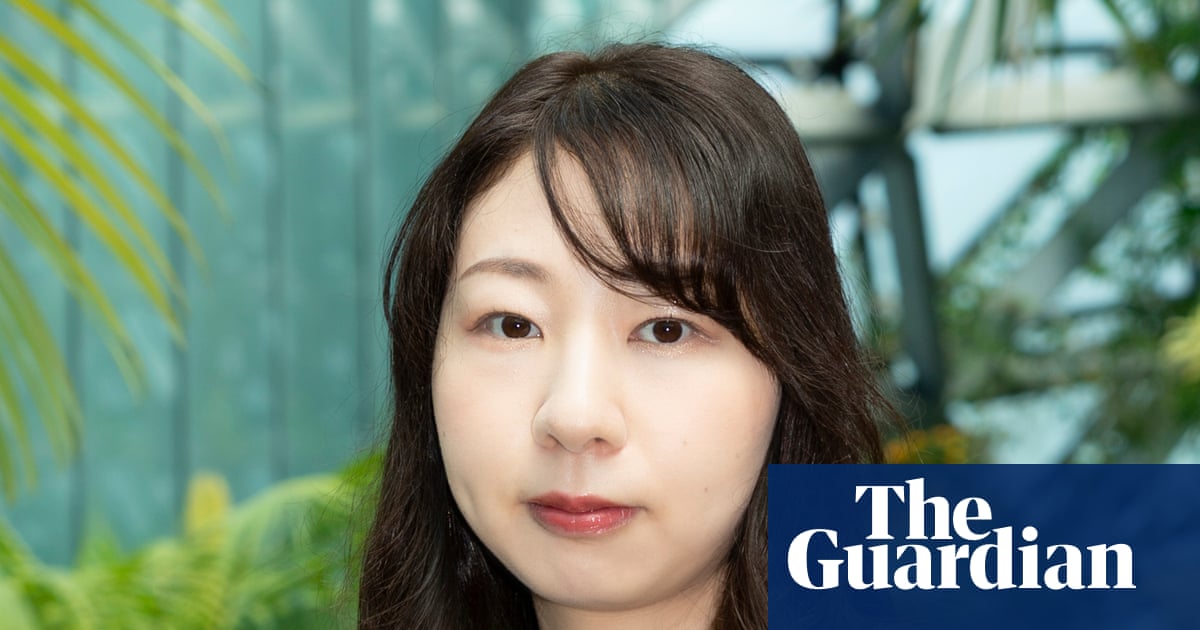
don’t feel particularly unhappy about my work being used to train AI,” says Japanese novelist Rie Qudan. “Even if it is copied, I feel confident there’s a part of me that will remain, which nobody can copy.”
The 34-year old author is talking to me via Zoom from her home near Tokyo, ahead of the publication of the English-language translation of her fourth novel, Sympathy Tower Tokyo. The book attracted controversy in Japan when it won a prestigious prize, despite being partly written by ChatGPT.
At the heart of Sympathy Tower Tokyo is a Japanese architect, Sara Machina, who has been commissioned to build a new tower to house convicted criminals. It will be a representation of what one character – not without irony – calls “the extraordinary broadmindedness of the Japanese people”, in that the tower will house offenders in compassionate comfort.