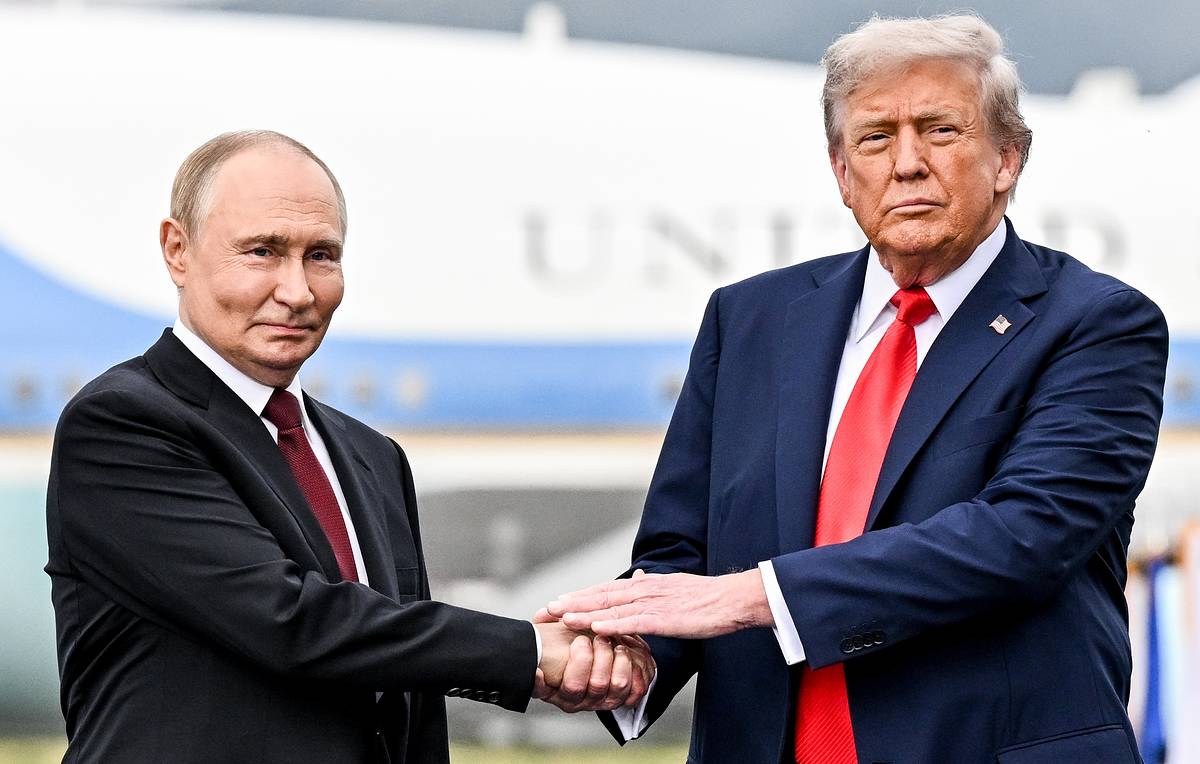
MOSCOW, August 18. /TASS/. Experts evaluate the outcome of the Alaska summit between Russian President Vladimir Putin and his US counterpart, Donald Trump, as Ukraine and NATO are considering an asymmetric response to Russia. Meanwhile, increasingly intense protests grip Serbia. These stories topped Monday’s newspaper headlines across Russia.
The first major summit in years between the Russian and US leaders has not remained without consequences, as Ukraine’s Vladimir Zelensky arrives in Washington later on August 18. He won’t be alone heading for talks with US leader Donald Trump: at Zelensky’s `request’, European Commission President Ursula von der Leyen too is planning to arrive. Apart from her and Zelensky, German Chancellor Friedrich Merz, French President Emmanuel Macron, Finnish President Alexander Stubb, Italian Prime Minister Giorgia Meloni, and NATO Secretary General Mark Rutte will visit Trump in Washington, Politico reported.
Trump will hold separate meetings with Zelensky and the other politicians, according to Bild, as part of what will be the first ever ad hoc visit for negotiations with the US president by so many European leaders at once amid the Ukraine conflict.
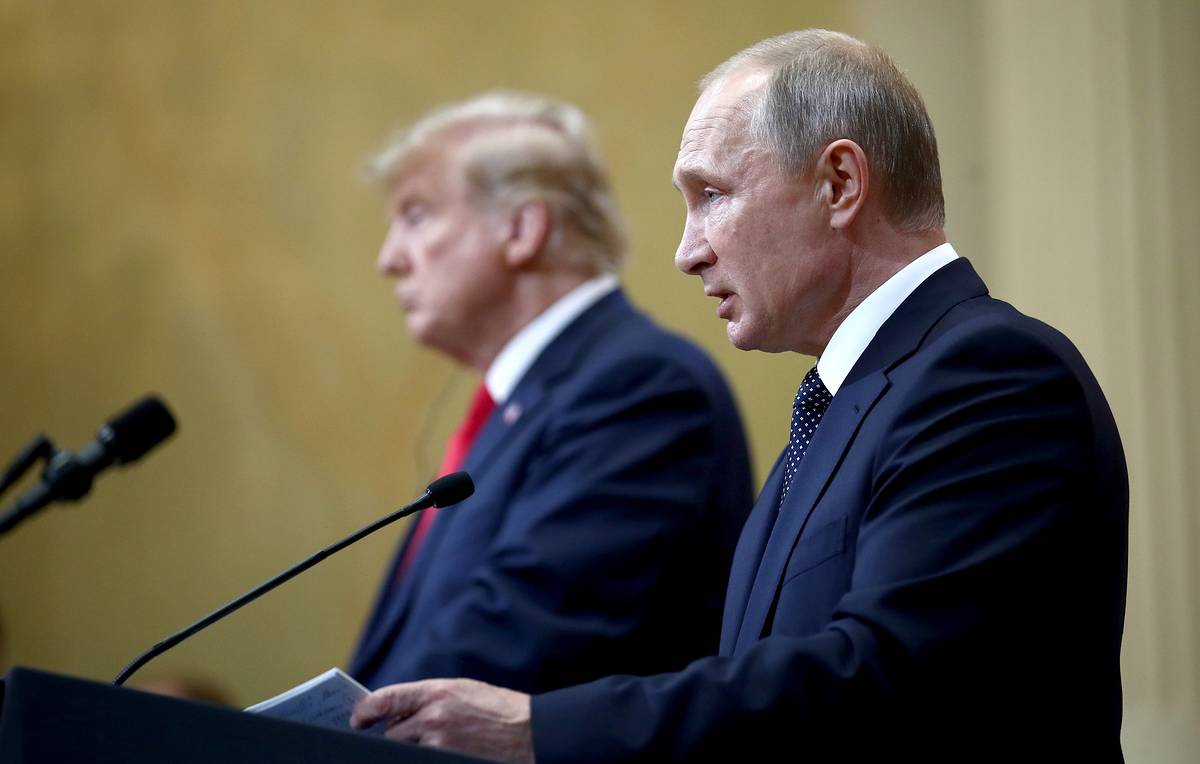
Excluding Europe from the peace process just did not happen, Artyom Sokolov, a senior researcher at the European Studies Institute of the Moscow State Institute of International Relations, told Vedomosti: Russian President Vladimir Putin called on European leaders not to hinder the implementation of peace agreements, while Trump urged Europe to be more proactive in efforts toward peace. At that, draft agreements between Russia and the United States remain unacceptable for them, as a compromise would take Moscow’s interests into account. Over the past three and a half years, European diplomacy has not pursued other policy toward Russia than to inflict a strategic defeat on it with subsequent domestic political changes, Sokolov maintains. The Europeans sought to make up for their costs of supporting Kiev through this, he adds.