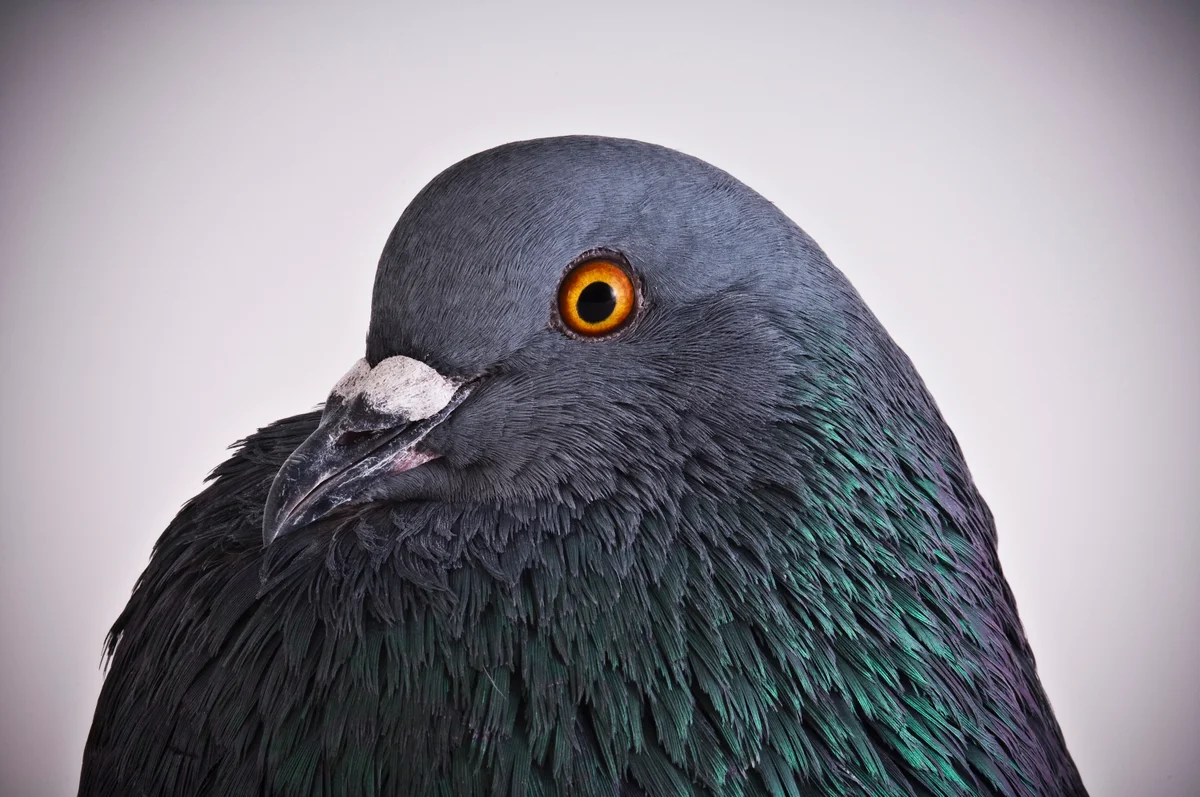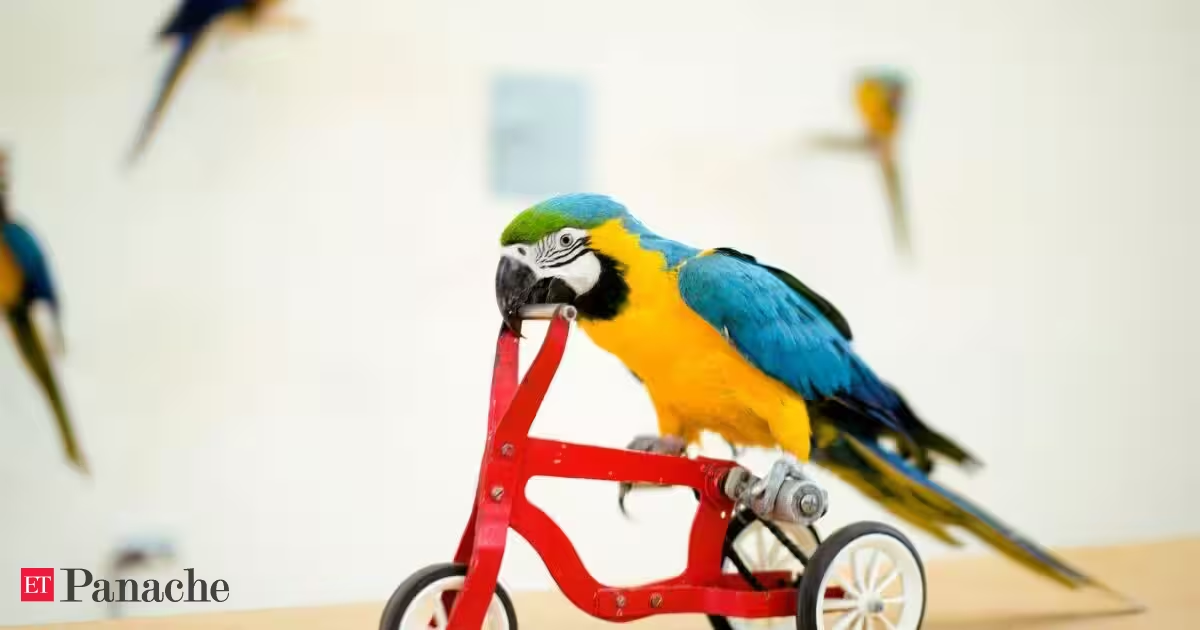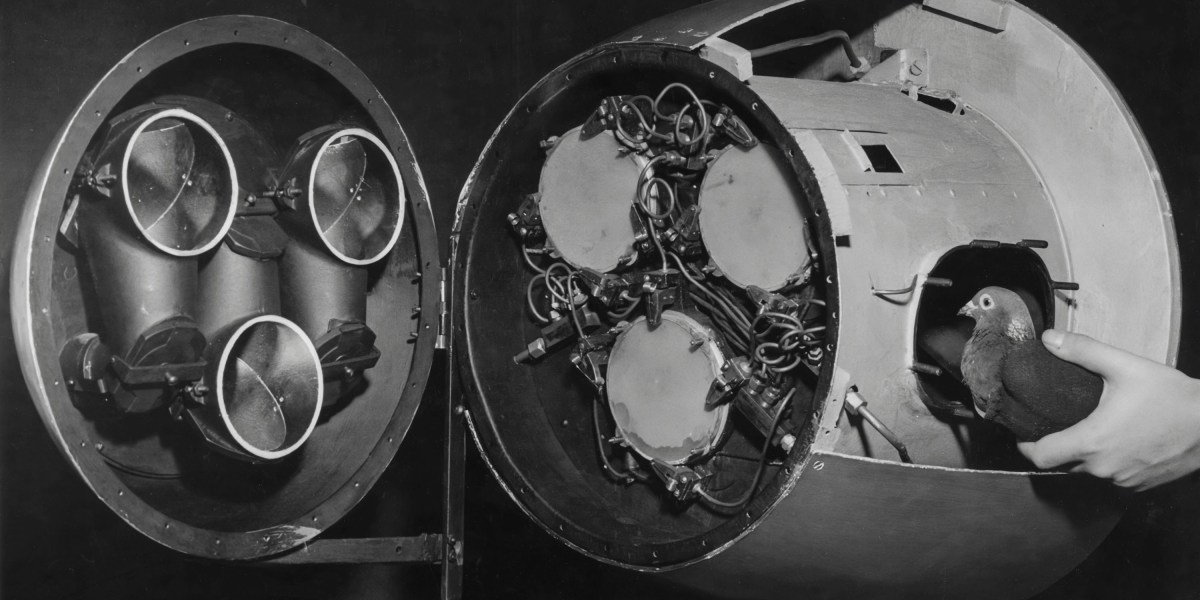
The bird has never gotten much credit for being intelligent. But the reinforcement learning powering the world’s most advanced AI systems is far more pigeon than human.
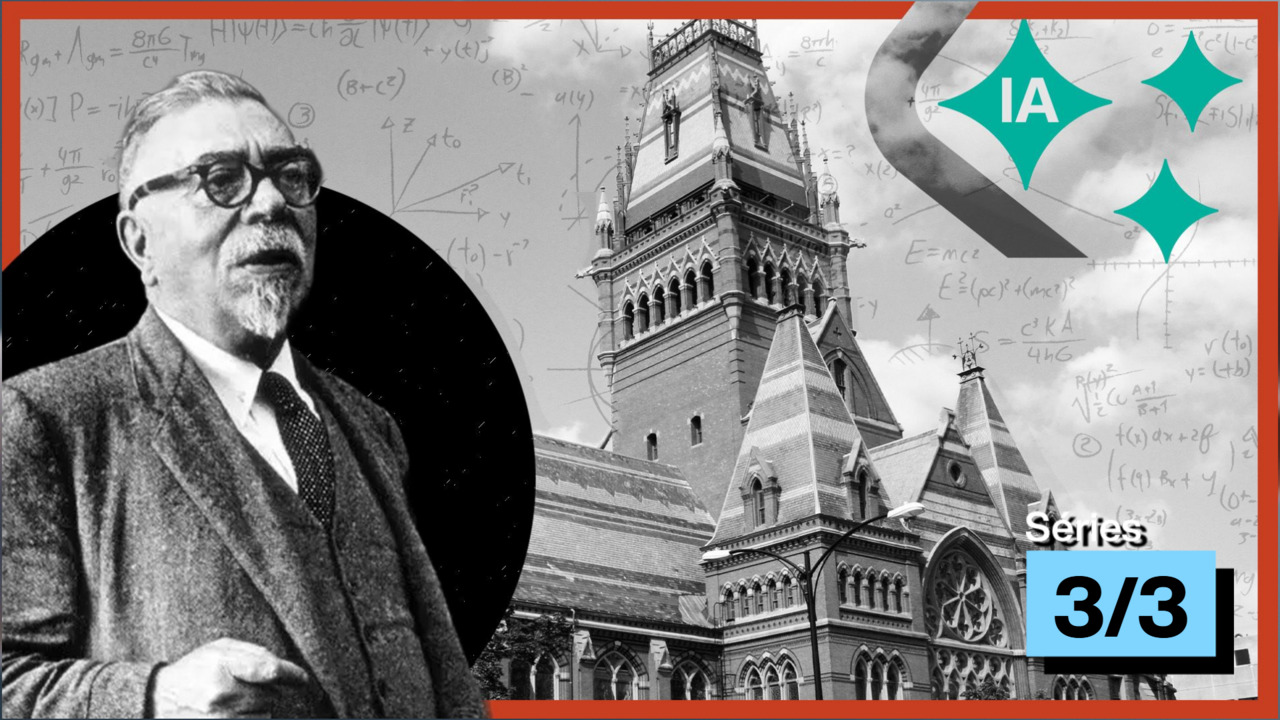
In 1943, while the world’s brightest physicists split atoms for the Manhattan Project, the American psychologist B.F. Skinner led his own secret government project to win World War II.
Skinner did not aim to build a new class of larger, more destructive weapons. Rather, he wanted to make conventional bombs more precise. The idea struck him as he gazed out the window of his train on the way to an academic conference. “I saw a flock of birds lifting and wheeling in formation as they flew alongside the train,” he wrote. “Suddenly I saw them as ‘devices’ with excellent vision and maneuverability. Could they not guide a missile?”
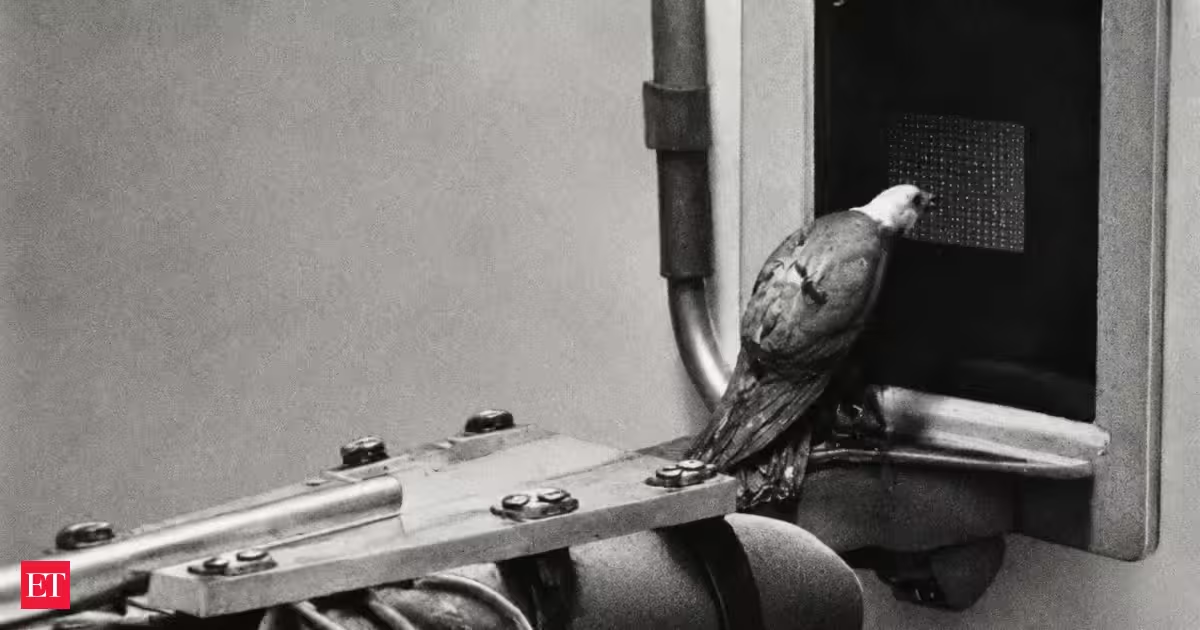
Skinner started his missile research with crows, but the brainy black birds proved intractable. So he went to a local shop that sold pigeons to Chinese restaurants, and “Project Pigeon” was born. Though ordinary pigeons, Columba livia, were no one’s idea of clever animals, they proved remarkably cooperative subjects in the lab. Skinner rewarded the birds with food for pecking at the right target on aerial photographs—and eventually planned to strap the birds into a device in the nose of a warhead, which they would steer by pecking at the target on a live image projected through a lens onto a screen.