Supported by
By Anu Bradford
Ms. Bradford is an expert on the European Union, global trade and digital regulation.
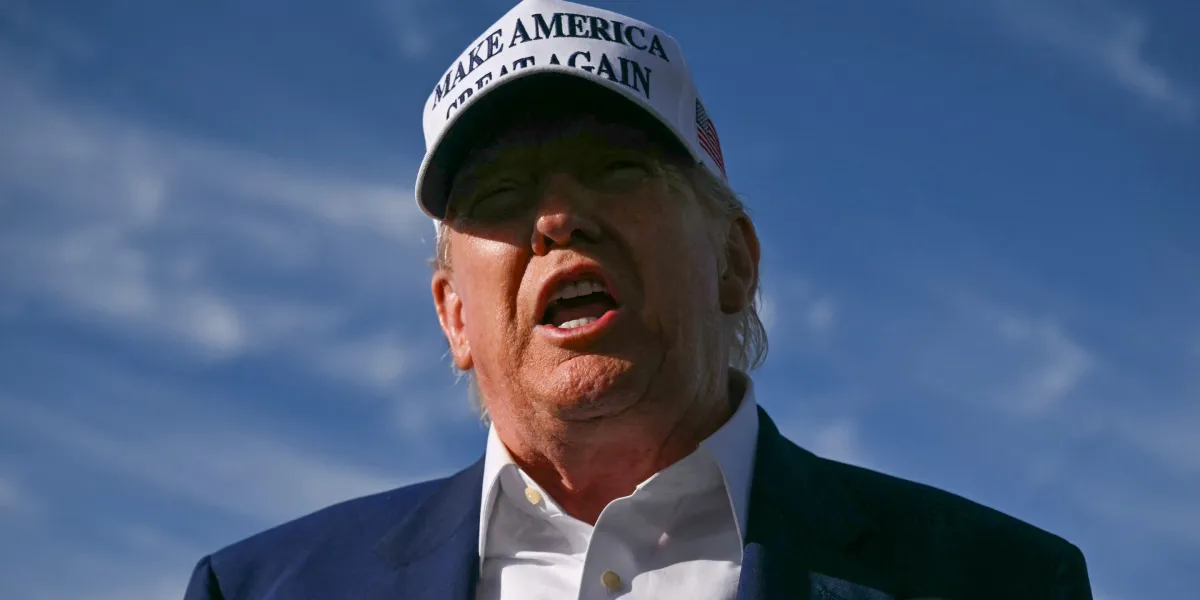
President Trump wants to unleash American A.I. companies on the world. For the United States to win the unfolding A.I. arms race, his logic goes, tech companies should be unfettered by regulations and free to develop artificial intelligence technology as they generally see fit. He is convinced that the benefits of American supremacy in this technology outweigh the risks of ungoverned A.I., which experts warn could include heightened surveillance, disinformation or even an existential threat to humanity. This conviction is at the heart of the administration’s recently unveiled A.I. Action Plan, which looks to roll back red tape and onerous regulations that it says paralyze A.I. development.
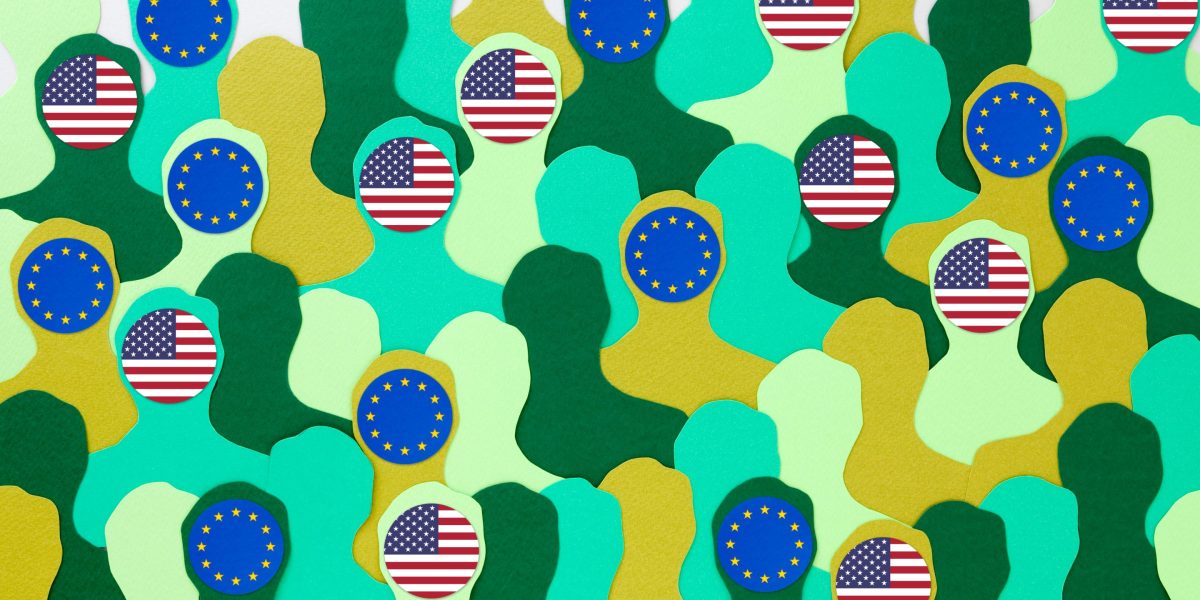
But Mr. Trump can’t single-handedly protect American A.I. companies from regulation. Washington may be able to eliminate the rules of the road at home, but it can’t do so for the rest of the world. If American companies want to operate in international markets, they must follow the rules of those markets. That means that the European Union, an enormous market that is committed to regulating A.I., could well thwart Mr. Trump’s techno-optimist vision of a world dominated by self-regulated, free-market U.S. companies.