We and our vendors use cookies and similar methods (“Cookies”) to recognize visitors and remember their preferences. We also use Cookies for a variety of purposes, including analytics, to measure marketing effectiveness and to target and measure the effectiveness of ads. You can accept or reject the use of Cookies for individual purposes below. Some vendors process your data on the basis of their legitimate interest - you can object to such processing below. Your preferences will be saved in a cookie named “fides_consent” for a maximum duration of 12 months, as well as in your registered user account if you are logged in. If you previously accepted these methods through our prior banner, then we will use your data for targeting. Your preferences will apply on nytimes.com, as well as our News, Cooking, Games and Audio apps. Your preferences here are unrelated to Apple’s App Tracking Transparency Framework.
Supported by
Co-op boards must provide habitable homes for all their residents and make sure that they are abiding by the house rules.
By Jill Terreri Ramos
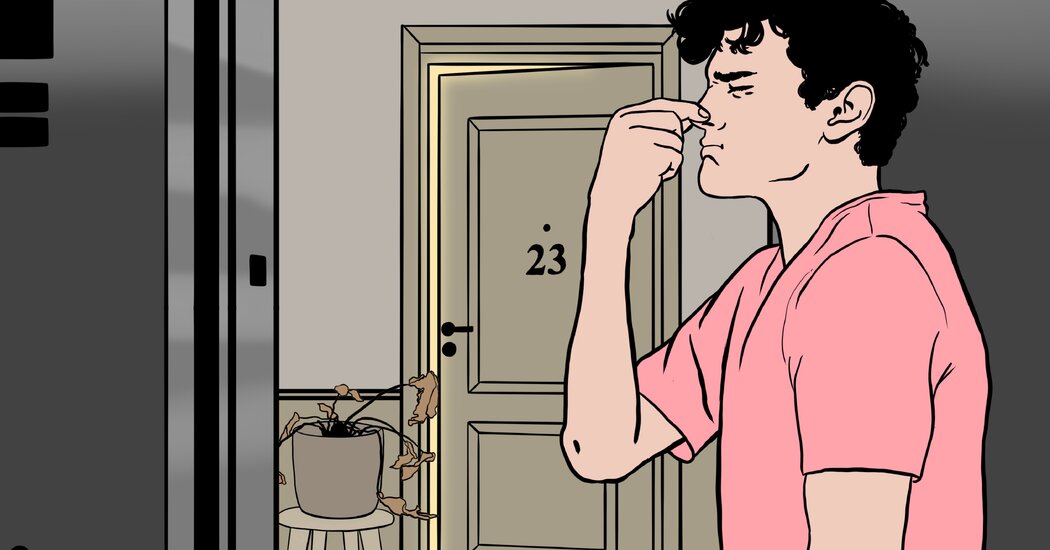
Q: I live in a co-op in Washington Heights. The neighbor directly below me passed away several years ago. Her grandson lived with her and remains in the apartment, though he does not own shares and is illegally living there. The unit has fallen to such neglect. We are now dealing with terrible smells and are infested with roaches and, we fear, rodents too. The building is offering a basic exterminating service, but it’s not making a dent in the problem. What are our rights? What should we do?