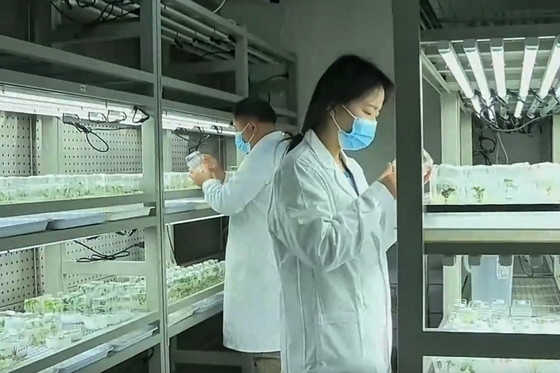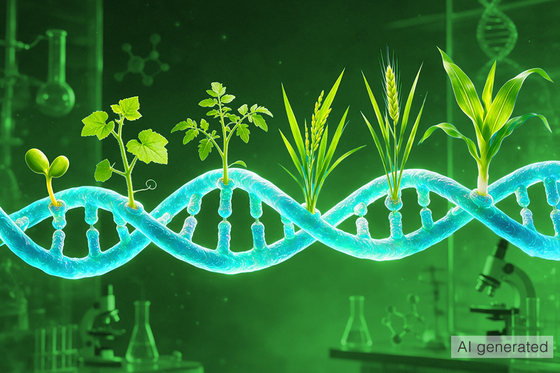
AI gene editing factory allows rapid breeding of new plant varieties which taste better and are resistant to disease, say scientists
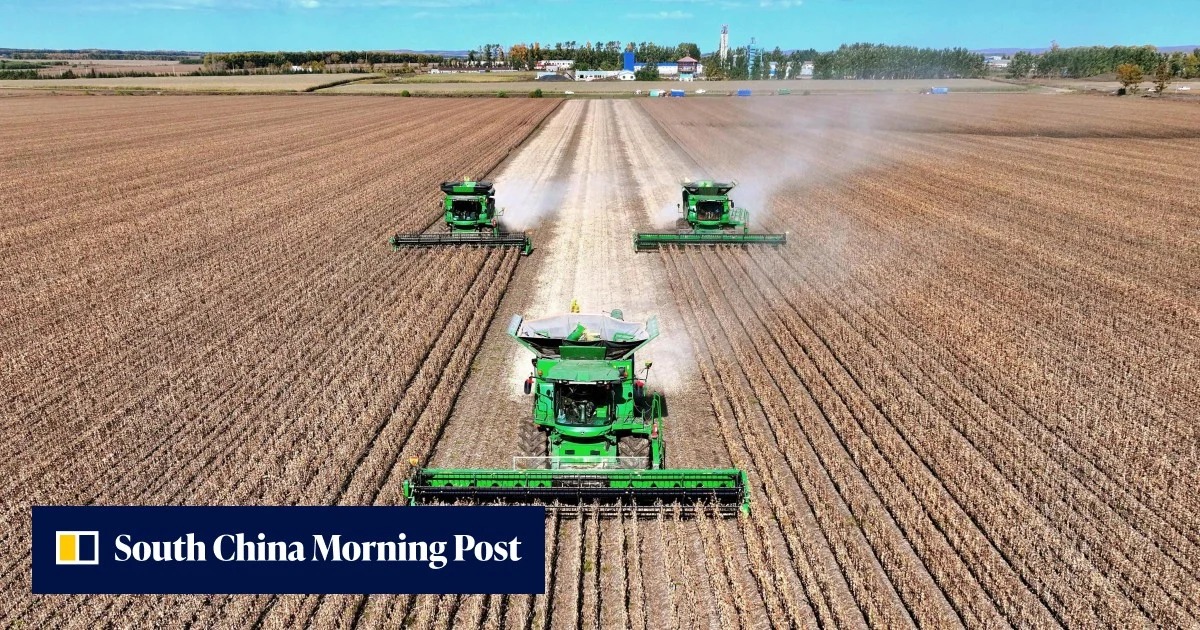
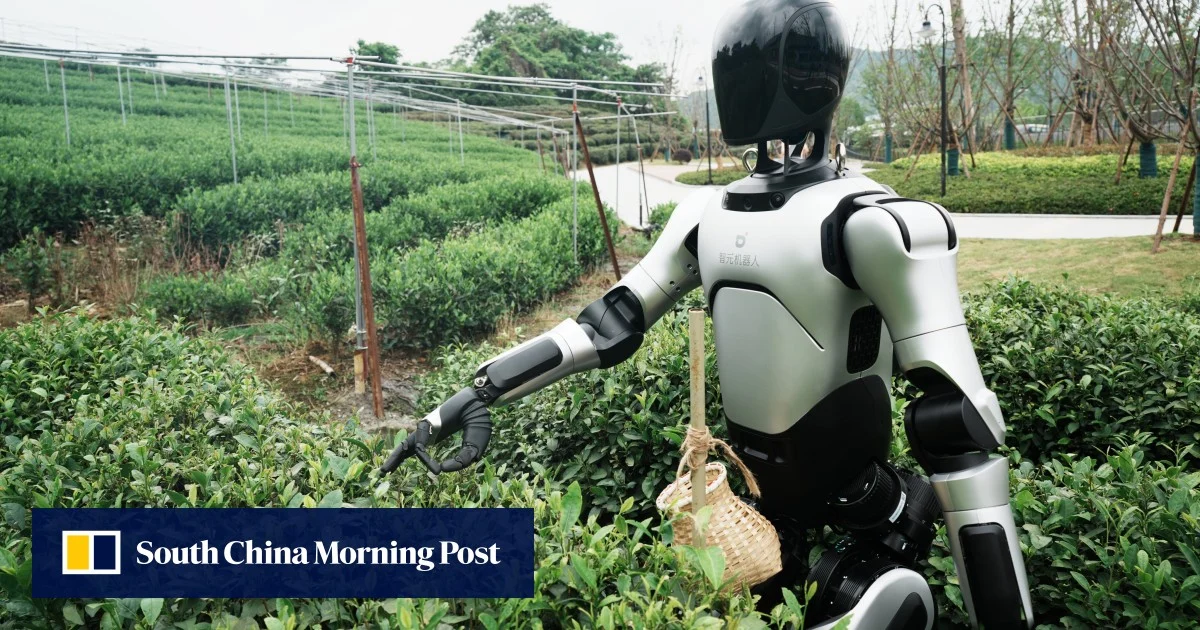
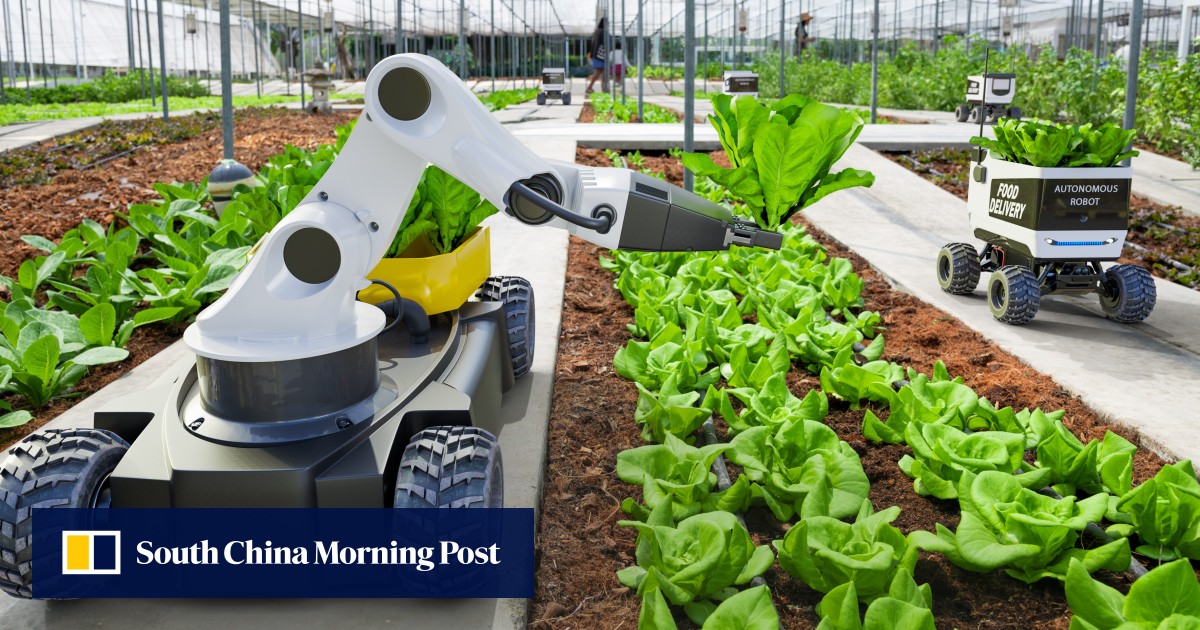
While AI-driven robots have been employed for field cultivation, weeding, pesticide spraying, disease monitoring and harvesting, the use of robots to automate plant breeding has faced limitations.
Some plants have flowers with protruding stigmas, the female reproductive part of a flower that collects pollen.
Many hybrid crops have recessed or covered stigmas as a result of domestication, making it necessary to use pollinators or manual labour to open the stigma and complete pollination.
Manual labour is also used to perform emasculation, or the removal of pollen-producing parts to prevent self-pollination, which can reduce genetic diversity.