W
ith the blockbuster launch of this year’s Formula 1 season, recent dull championships have been well and truly consigned to history. An exhibition in London to mark the sport’s 75th anniversary attracted 340,000 visitors, while the F1 75 Live party at the O2 arena drew a crowd of 20,000 to witness all ten teams gather under one roof to introduce their new cars and liveries. Partygoers might also have spotted that the VIP tables were laden with Moët & Chandon champagne.
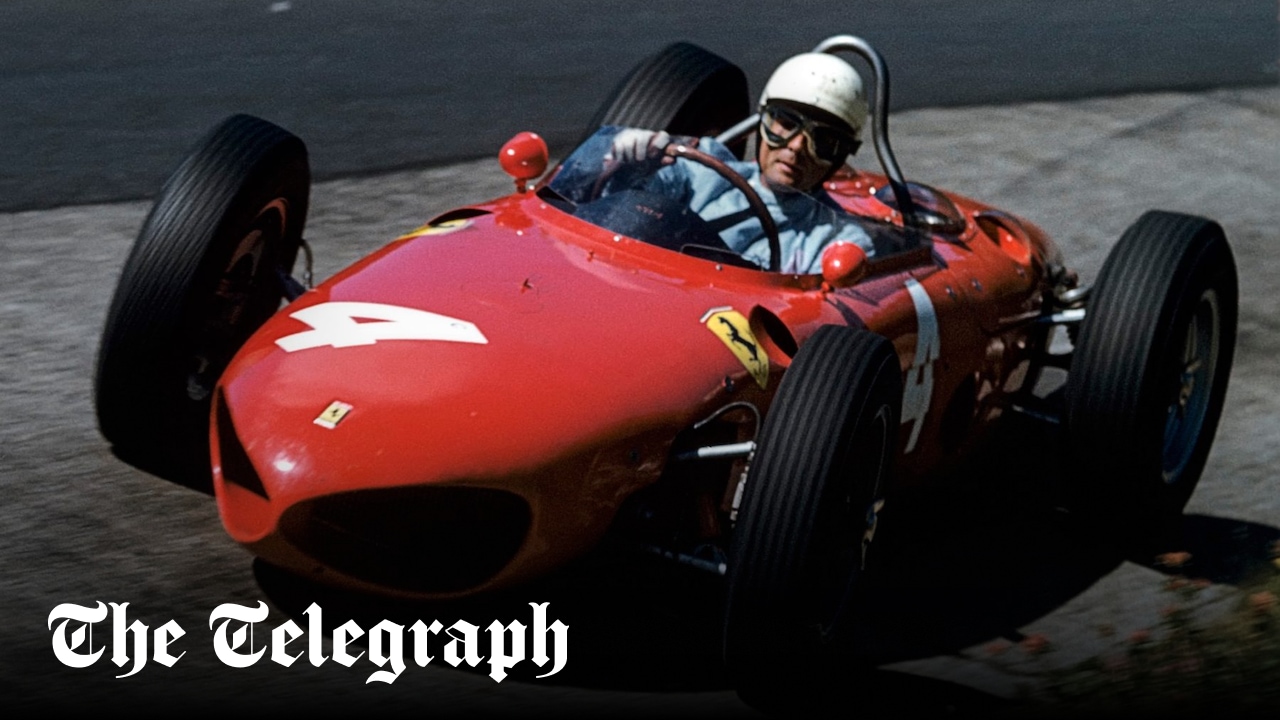
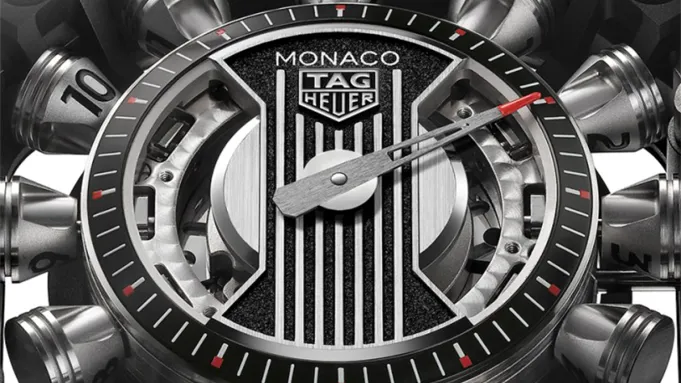
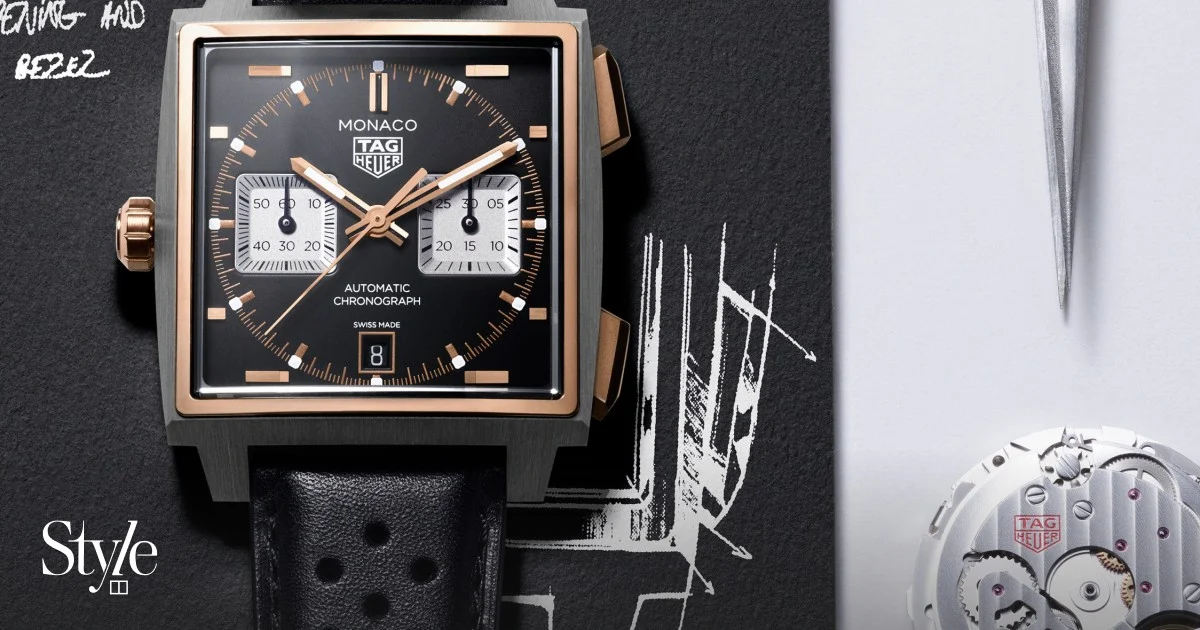
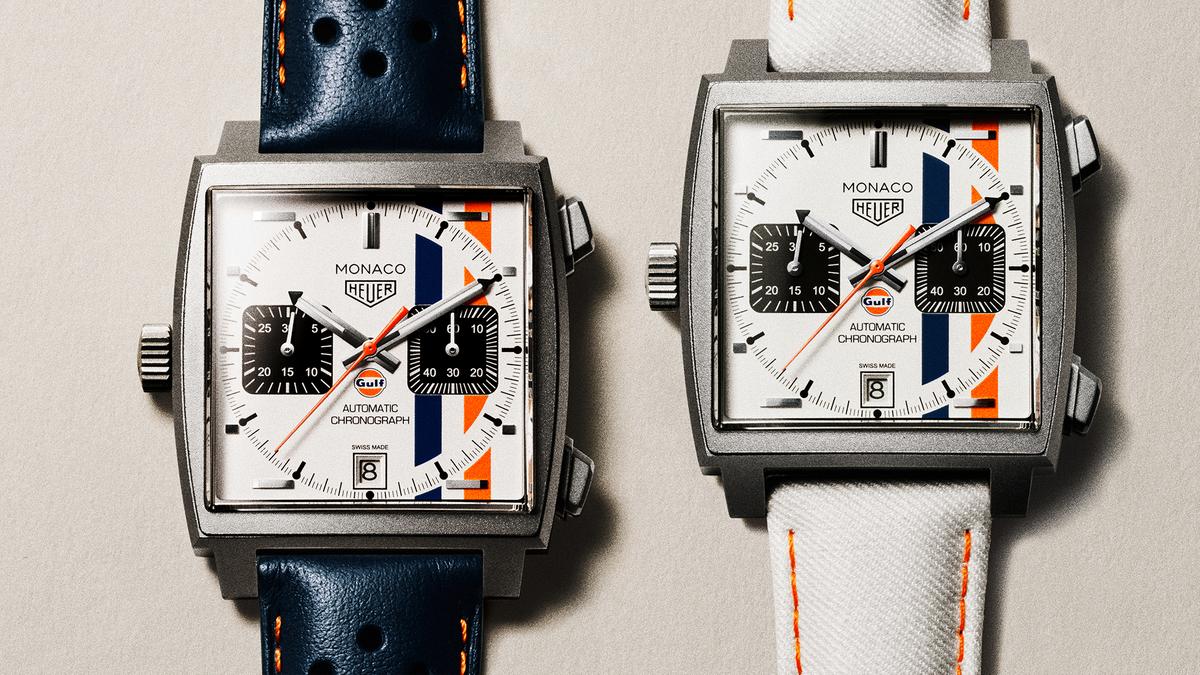
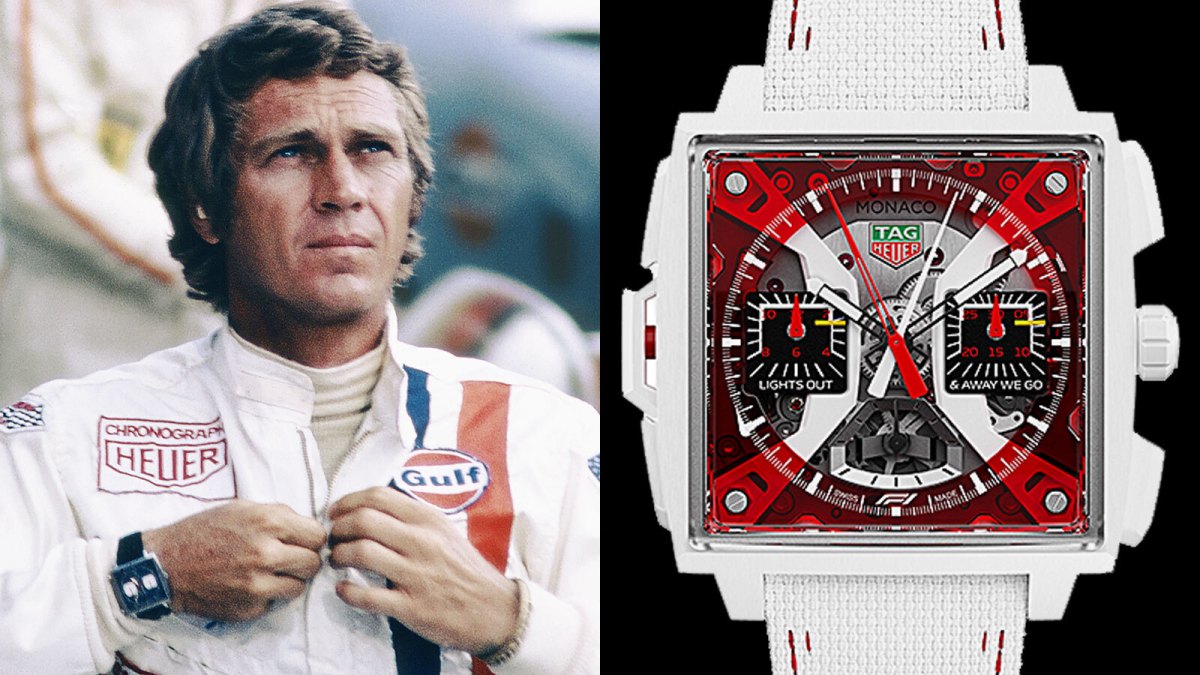
The reason? The pinnacle of motorsport has a new lead sponsor in the form of the luxury goods giant LVMH, the owner of Moët & Chandon. But the most prominent LVMH brand will be Tag Heuer, which is returning to the role of official timekeeper for F1’s 24 races, staged around the world from Melbourne to Miami. This bookends an involvement in the grand prix world that dates back to the founding of the F1 World Championship in 1950, when Heuer (as it was called then) supplied stopwatches to leading race teams. It went on to introduce the first timekeeping board comprising a trio of handheld chronographs that could be operated in unison to record successive laps.
McQueen and F1 driver Jo Siffert on the set of Le Mans
Ayrton Senna at the 1988 San Marino Grand Prix