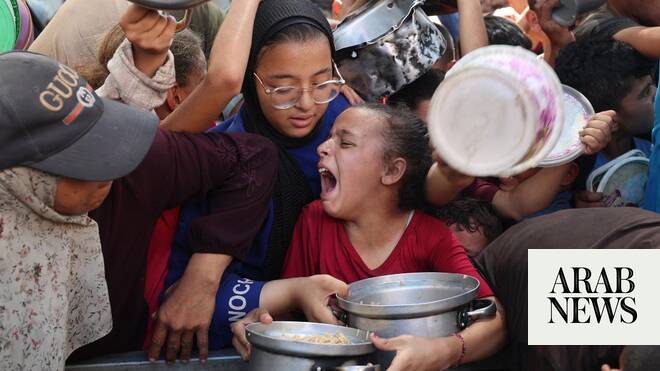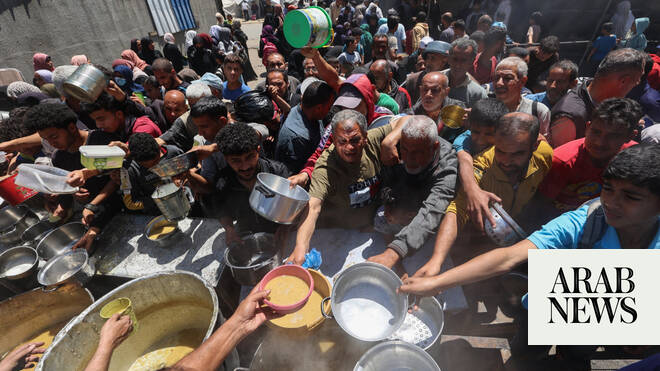
DUBAI: Global hunger edged down last year, but not in the Middle East. That divergence — driven by conflict, inflation, currency stress, and a heavy reliance on imports — is reshaping food security across Western Asia and North Africa, even as other regions recover.
According to “The State of Food Security and Nutrition in the World” report published recently by five UN agencies, 8.2 percent of the global population experienced hunger in 2024, down from 8.5 percent in 2023.
But the headline hides widening regional gaps. In Africa, more than 20 percent of people — 307 million — faced hunger in 2024. In Western Asia, which includes several Middle Eastern countries, 12.7 percent of the population, or more than 39 million people, were affected.
The contrast with other parts of Asia is striking. “Improvements in South-Eastern and Southern Asia were largely driven by economic recovery, better affordability of healthy diets, and stronger social protection systems,” David Laborde, director of the Agrifood Economics Division at the UN’s Food and Agriculture Organization, told Arab News.
That rebound has not reached the Middle East evenly. He noted that while “high income countries” like the UAE or Saudi Arabia are exempt from any major food insecurities, “the rest of the region and particularly conflict-affected countries (like Lebanon and Syria) are contributors to the rising hunger trend due to displacement, disrupted supply chains, and economic vulnerability.”