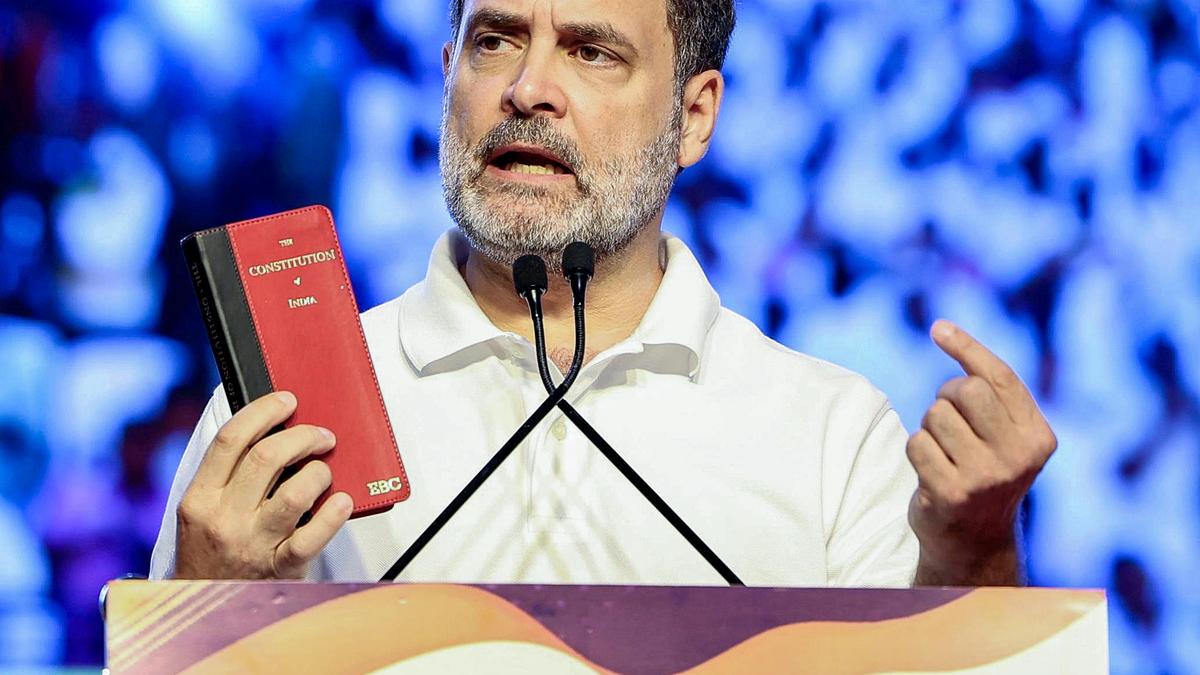
The story so far: At a press conference on August 7, Leader of the Opposition Rahul Gandhi accused the Election Commission (EC) of massive electoral roll manipulations in Mahadevapura Assembly constituency in Karnataka. Mr. Gandhi’s presser capped a series of allegations of deliberate voter roll discrepancies by the EC beginning with the Maharashtra Assembly polls. This, coupled with the Special Intensive Revision (SIR) of electoral rolls in Bihar, which is under judicial scrutiny, has put the poll body in the eye of a storm.
What is the mandate of the EC?
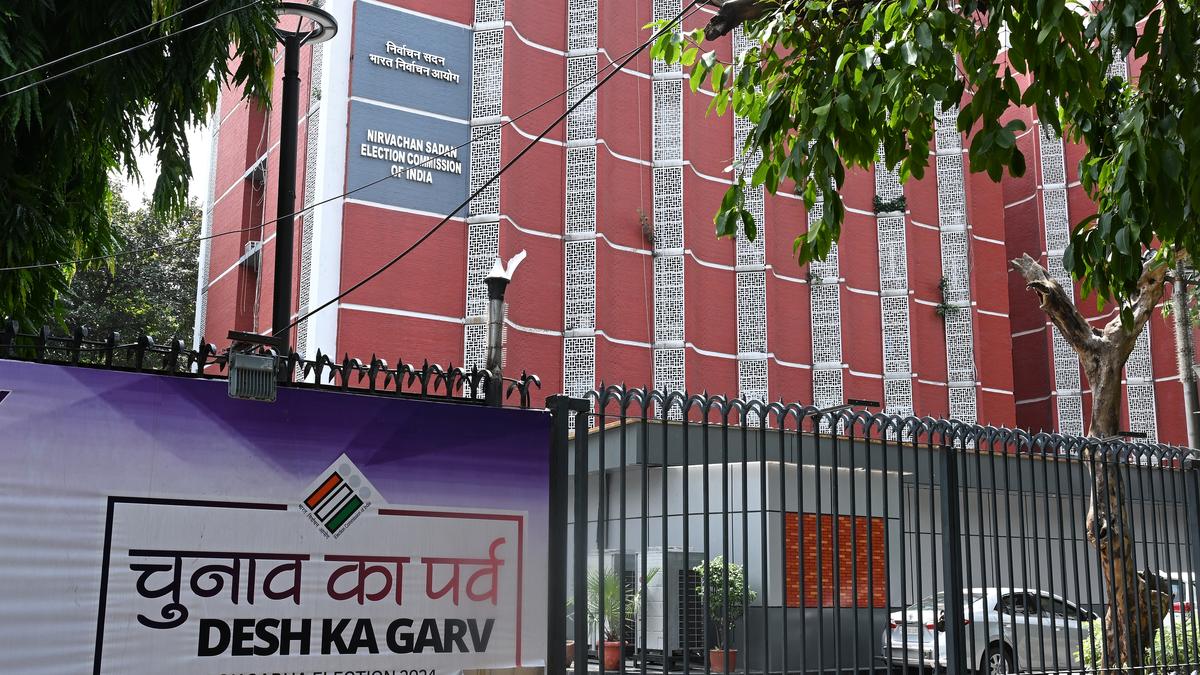
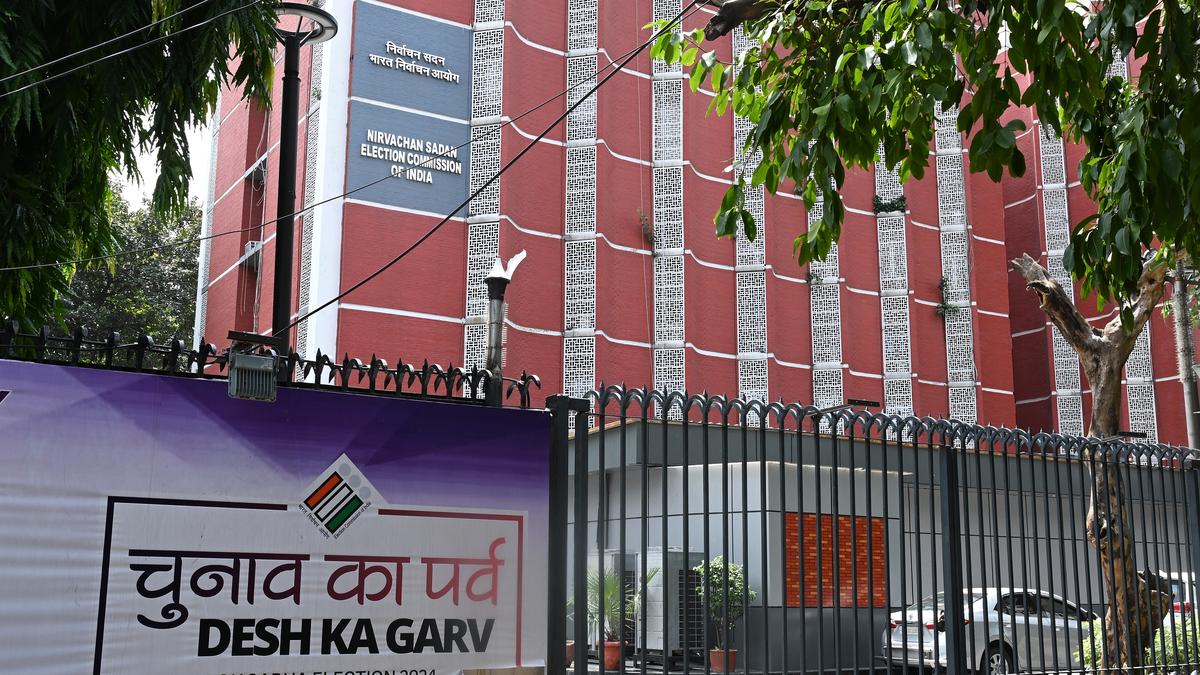
The Election Commission of India is a permanent constitutional body. The Constitution has vested in the EC the superintendence, direction and control of the entire process for conduct of elections to Parliament and the legislature of every State, and to the offices of President and Vice-President of India. Originally, the commission only had a Chief Election Commissioner (CEC). It was expanded to include two Election Commissioners (ECs).
Why has there been a controversy about the appointment process?
Parliament passed a new law governing appointments to the EC, namely the Chief Election Commissioner and other Election Commissioners (Appointment, Conditions of Service and Term of Office) Act, 2023. In accordance with the new law, the ECs are selected by a three-member selection committee, comprising the Prime Minister, a Union Minister and the Leader of the Opposition. The Opposition had objected to this, saying the committee gave little room for dissent as the Prime Minister and the Union Minister are part of the government and could rule 2:1 in favour of their candidate.