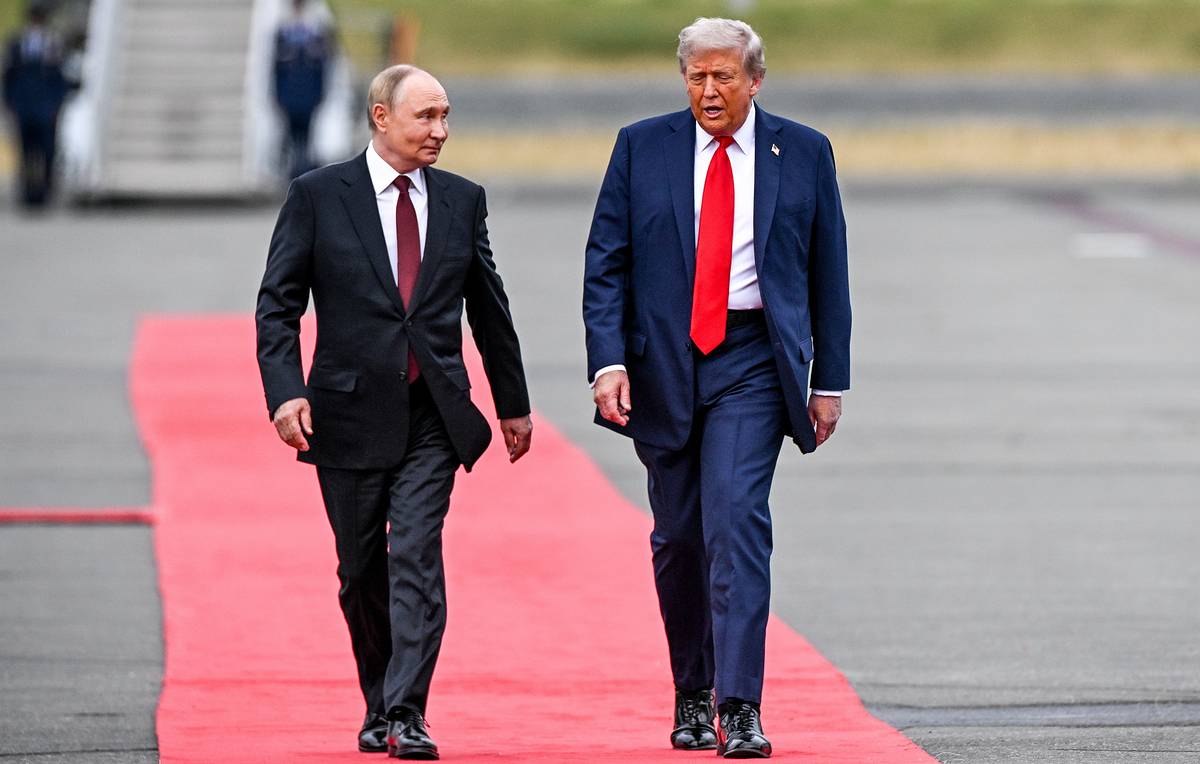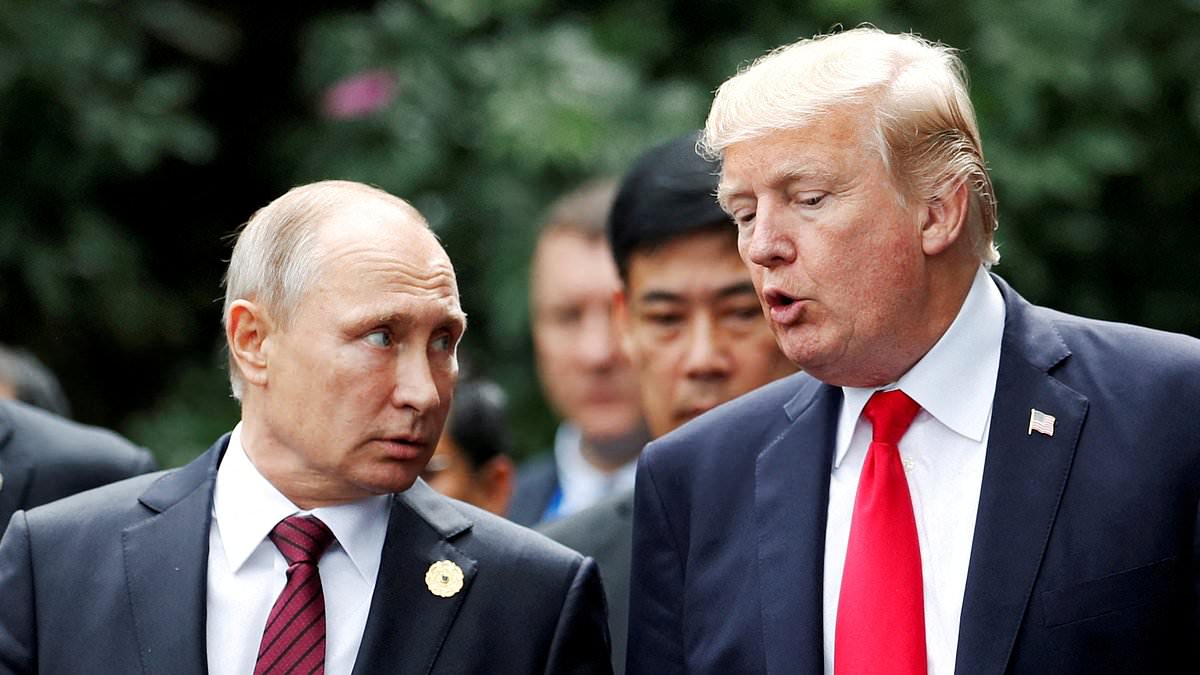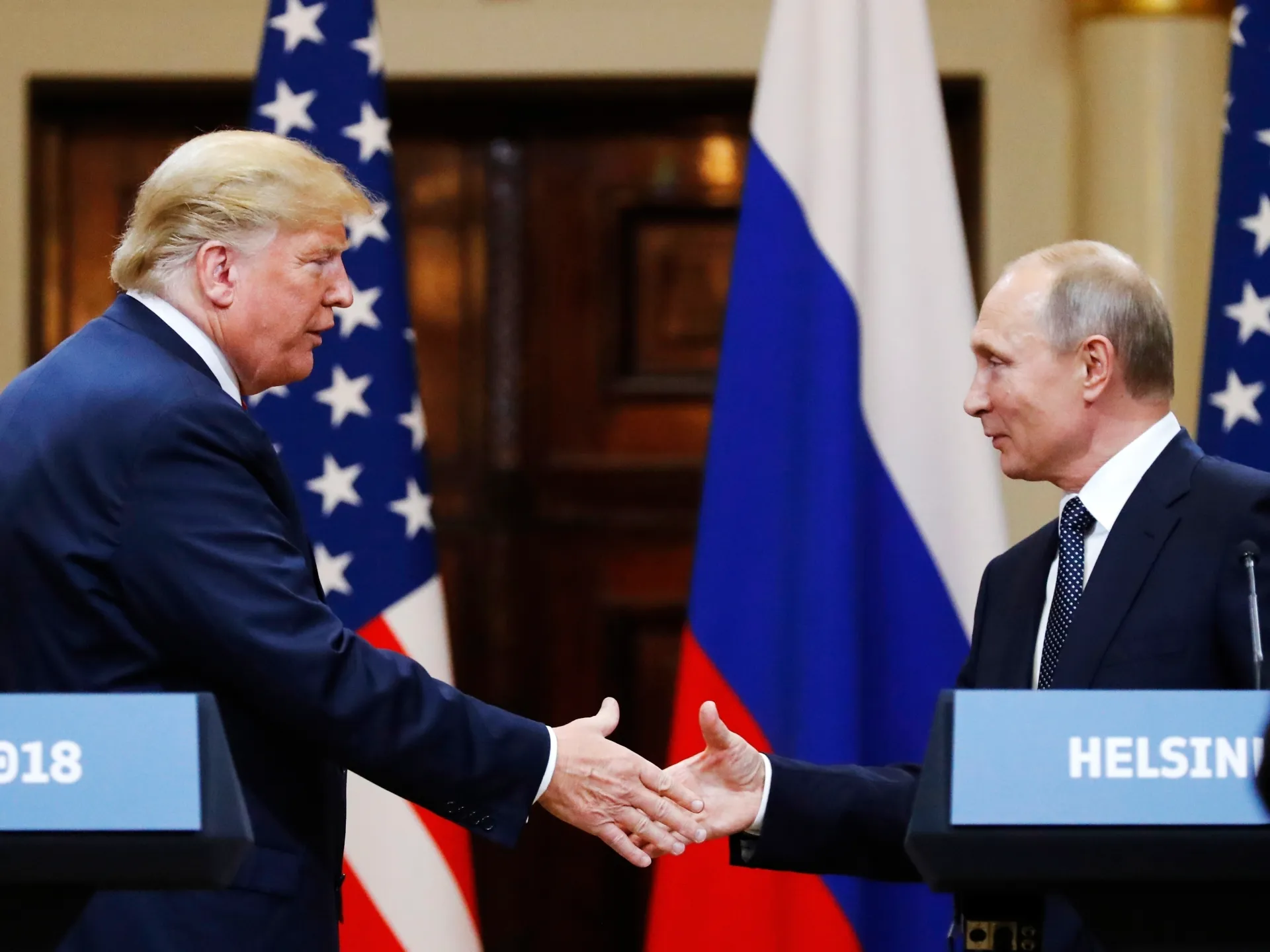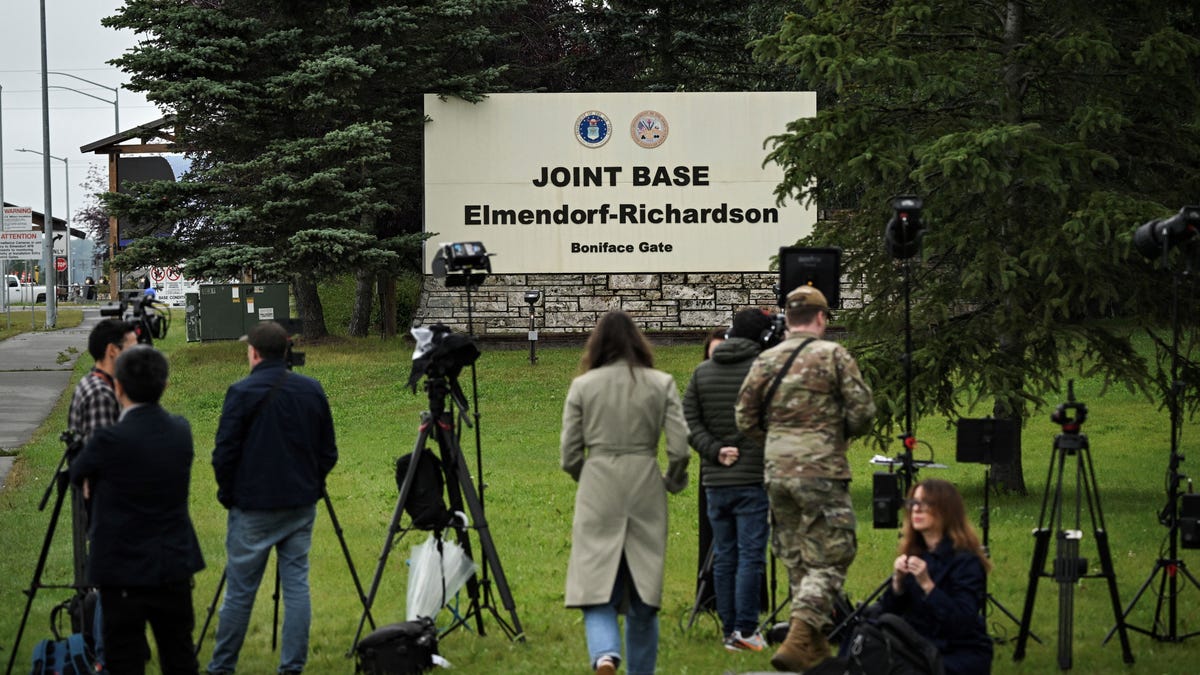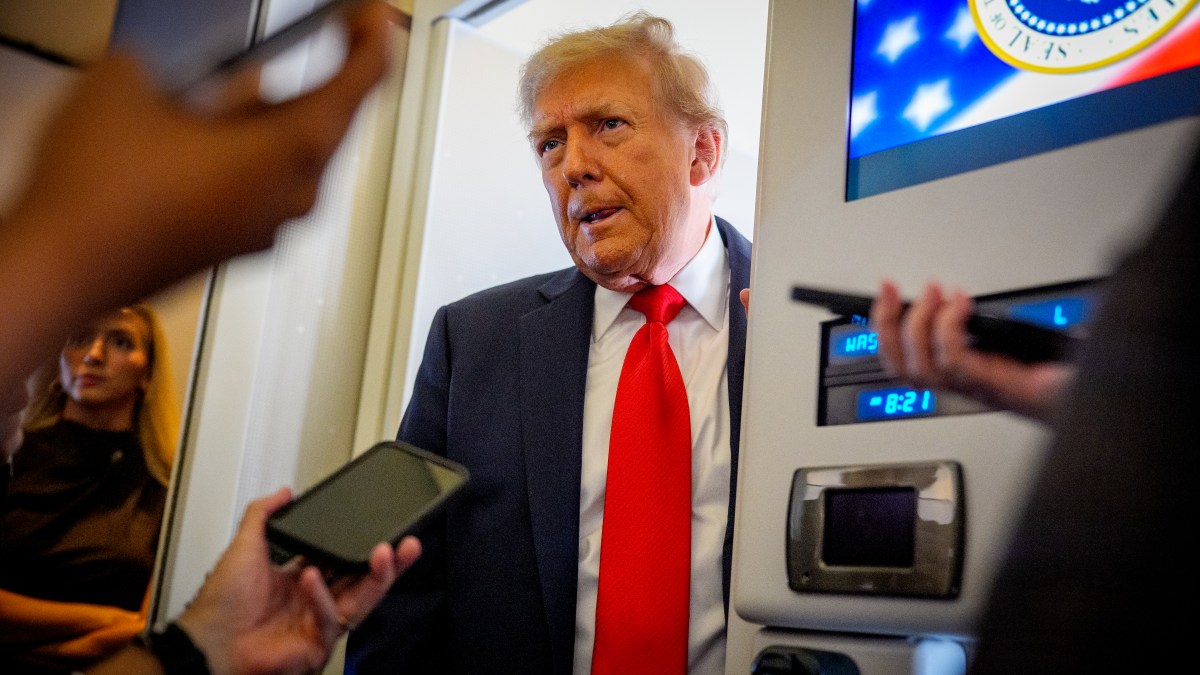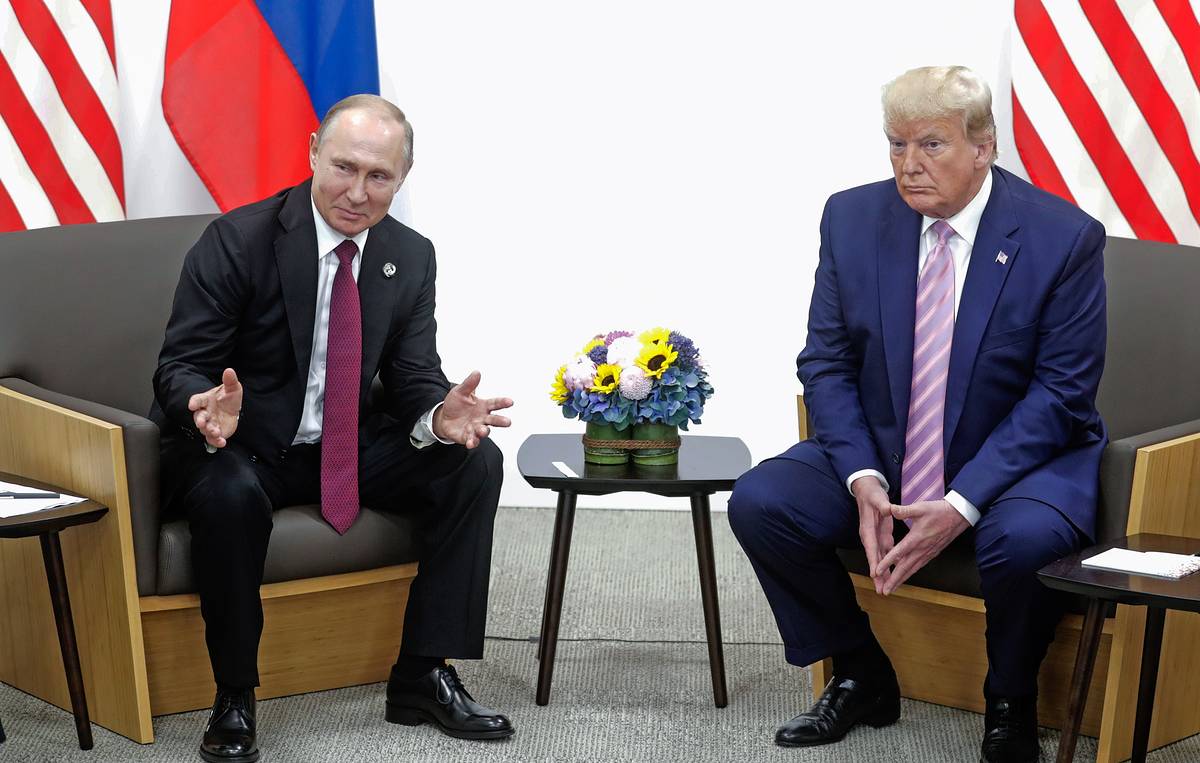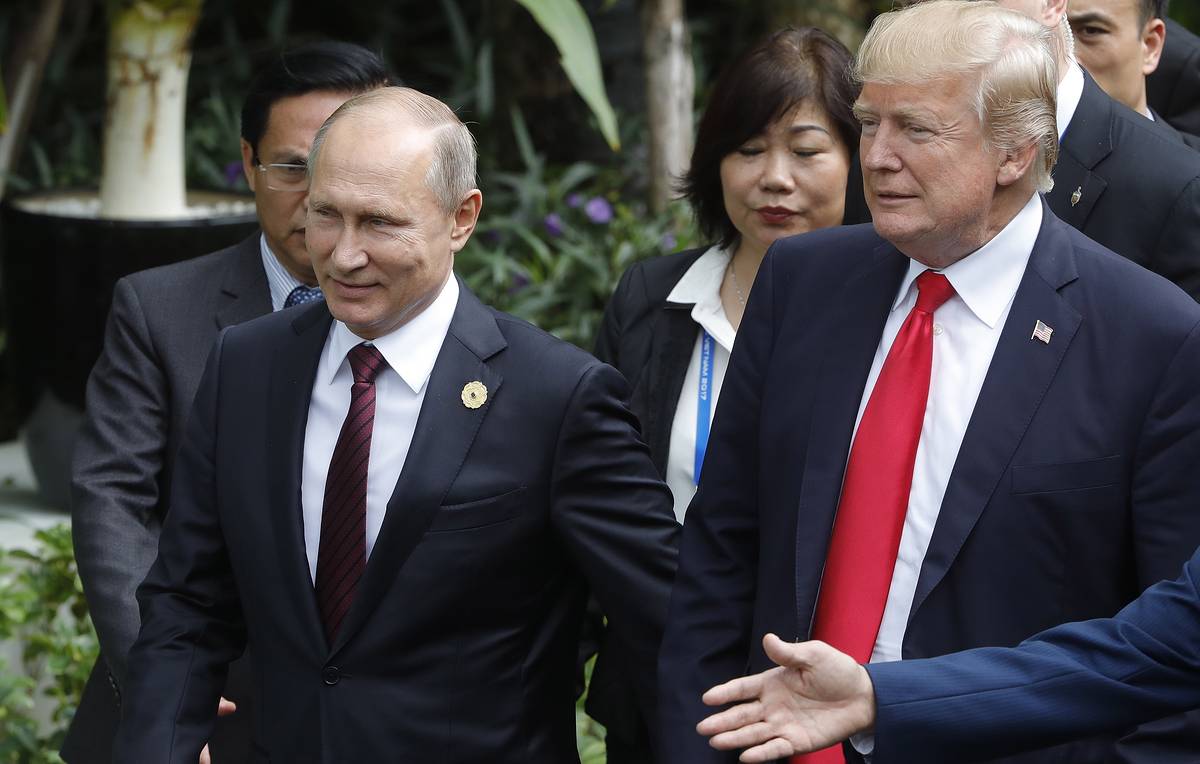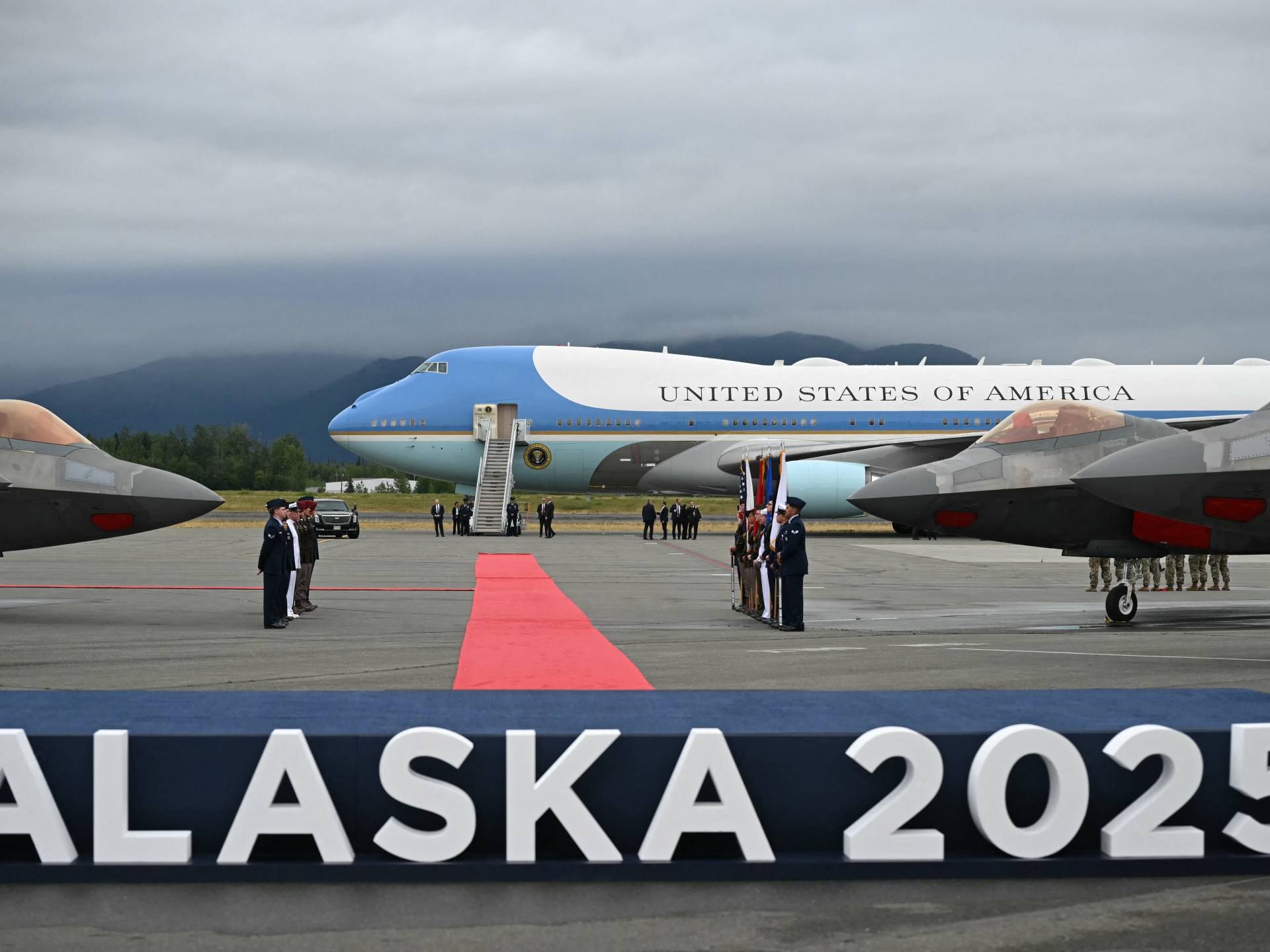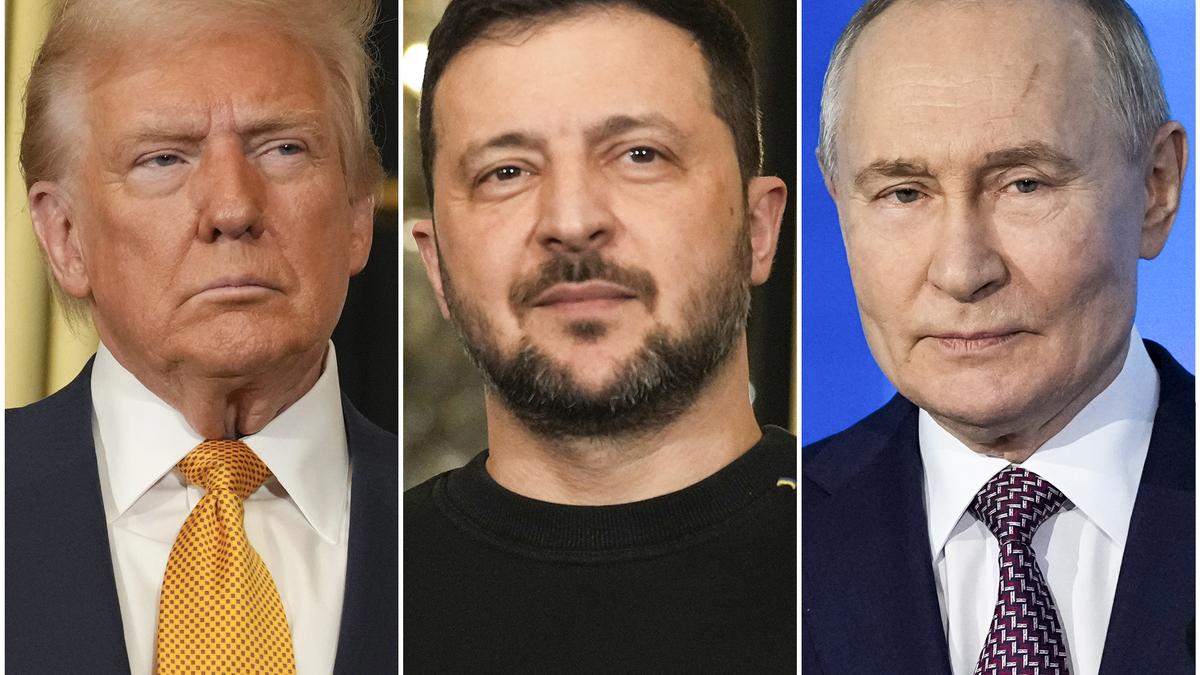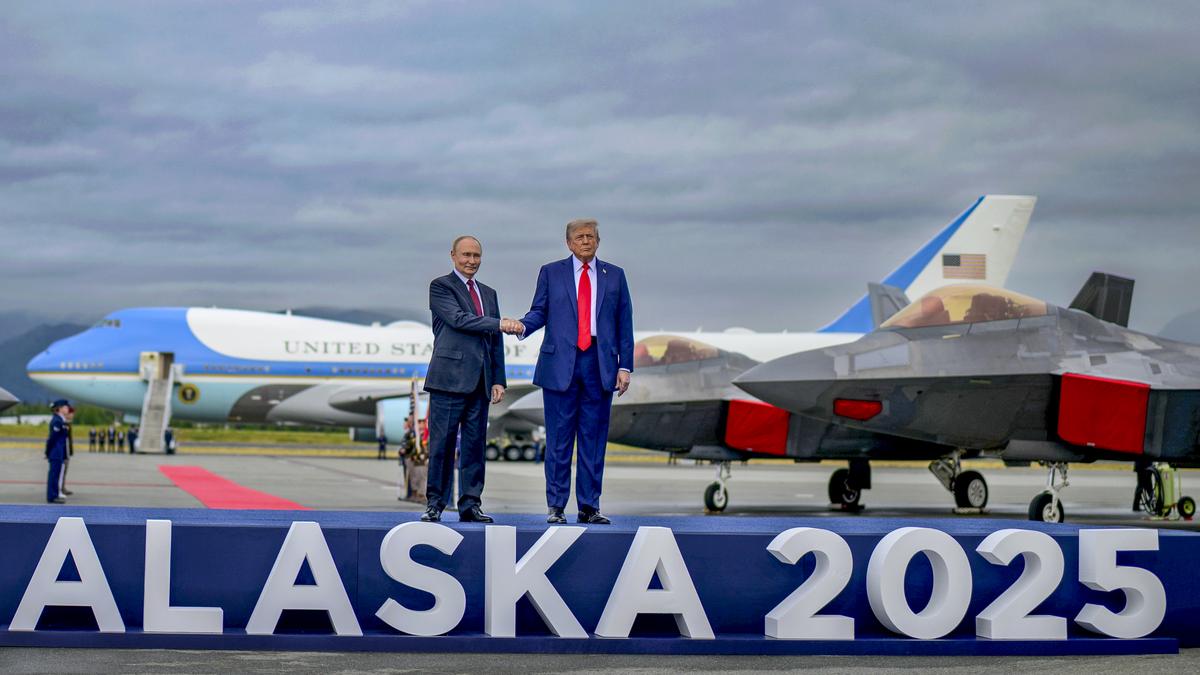
On August 15, U.S President Donald Trump and Russian leader Vladimir Putin concluded a historic summit in Alaska. After friendly greetings and two-and-a-half-hour-long talks at Joint Base Elmendorf-Richardson in Anchorage, they left without announcing any deal, but claimed to have made progress on many issues.
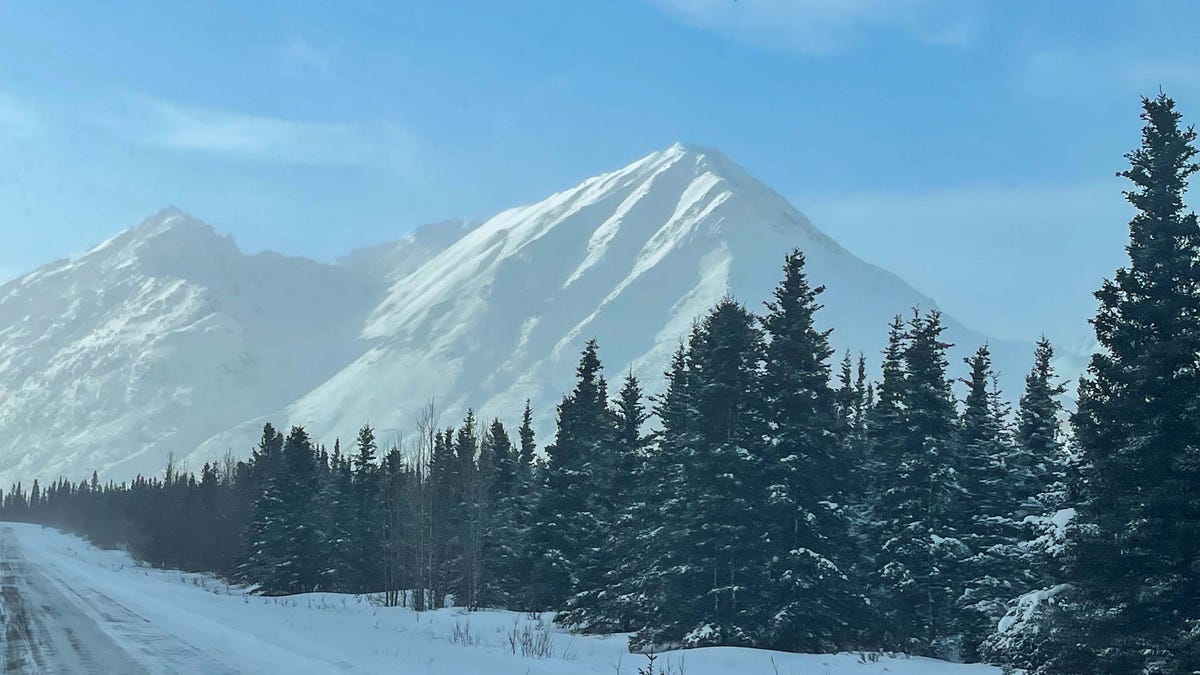
The selection of Alaska as the backdrop for this summit, the first since Russia’s invasion of Ukraine, was significant in more than one manner. Alaska was under Russian control for 125 years before being sold to the U.S. in 1867. Alaska is separated from Russia by a distance of 88 km, while the Russian Island of Big Diomede is located just 4 km from the U.S. Little Diomede Island, with the Bering strait separating the two.
Also read: Trump-Putin Alaska Summit Highlights
Alaska has been populated by Indigenous peoples, including the Athabaskans, Unangan (Aleuts), Inuit, Yupiit (Yupik), Tlingit, and Haida, for centuries. In the early 18th century, Danish explorer Vitus Bering was pressed into service by Russian Tsar Peter the Great to explore the regions to the east of Russia’s border. In 1728, Bering sailed through the strait separating the Russian mainland and North America (the strait is now named after him). During his second voyage in 1741, Bering spotted the peak of Mount St. Elias, part of an Alaskan mountain range, from his ship St. Peter. His “discovery” of Alaska was confirmed later during the voyage of Englishman Captain James Cook, who mapped the area in 1778.