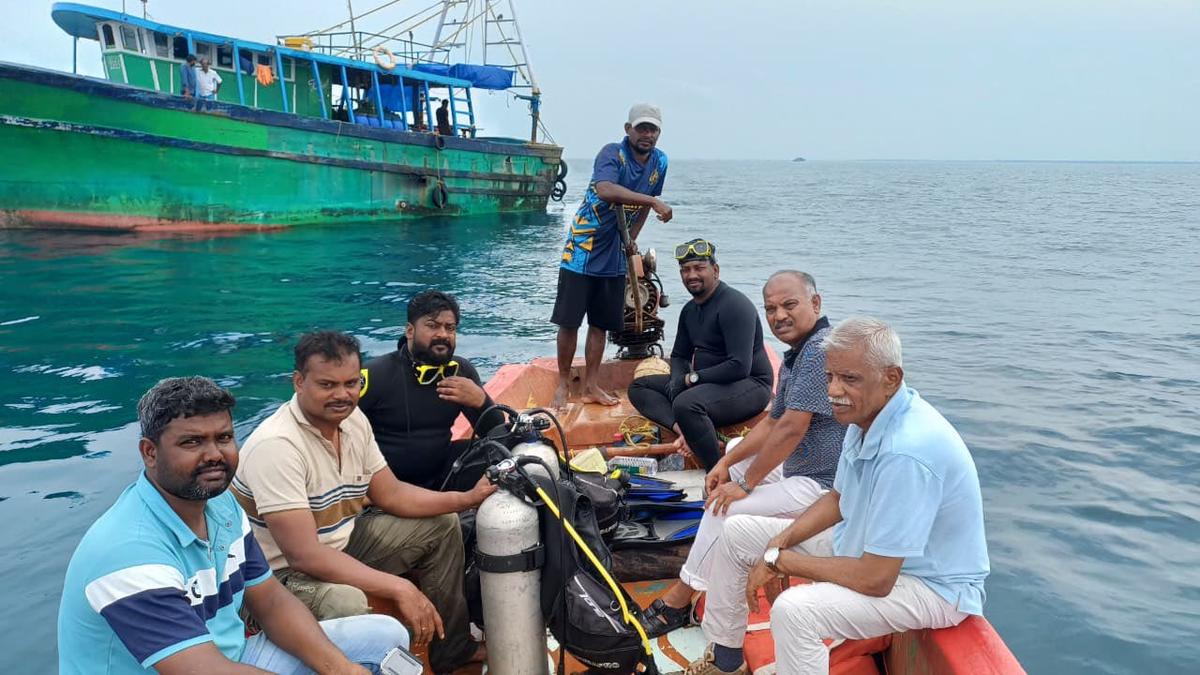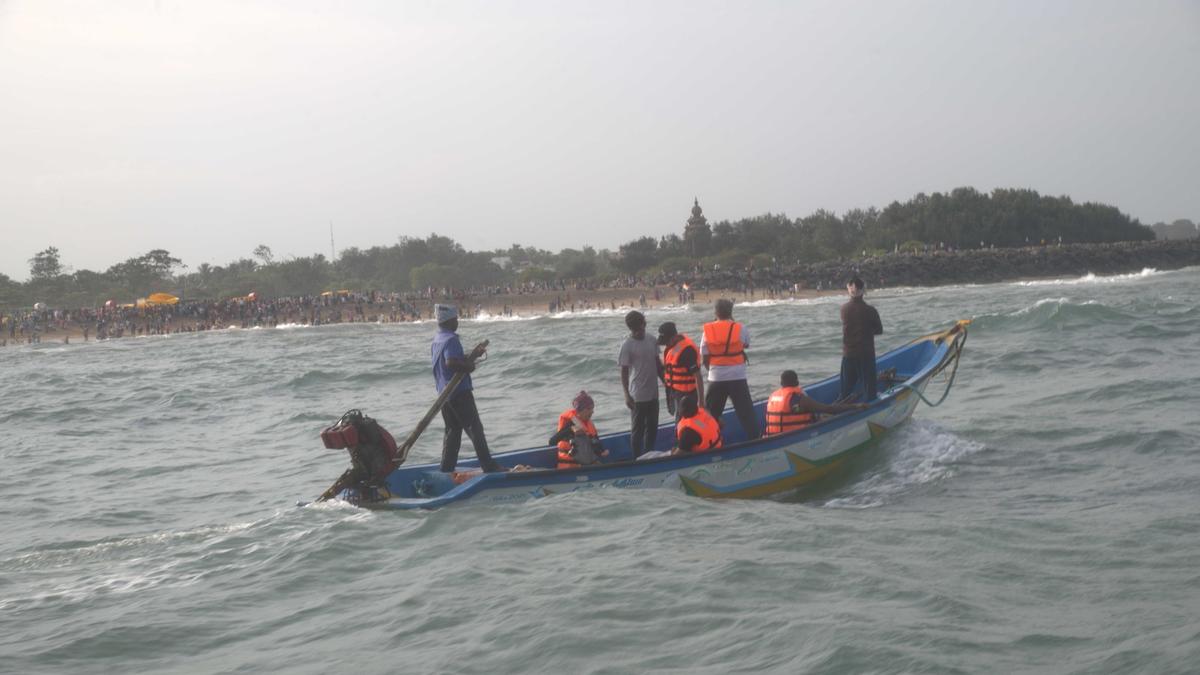
The Underwater Archaeology Wing (UAW) of the Archaeological Survey of India (ASI) has resumed underwater archaeological studies on submerged remains off the Mahabalipuram coast.
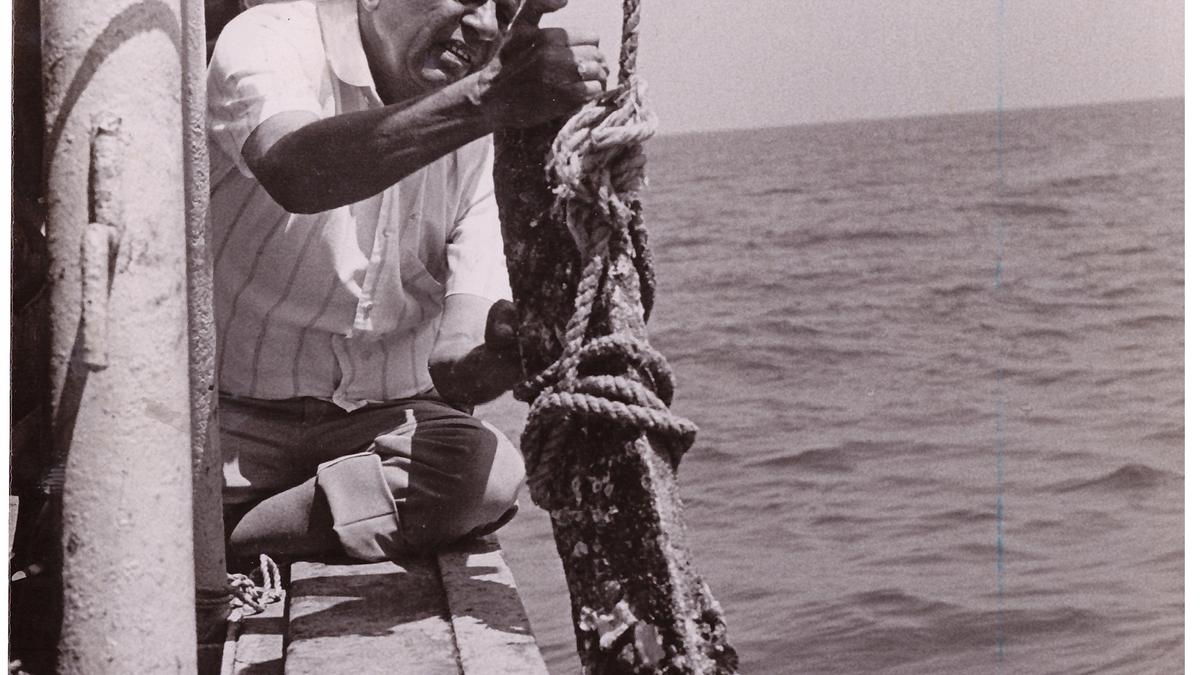
The exercise is in continuation of the earlier studies done about two decades ago. The UAW had undertaken archaeological studies at the Mahabalipuram coast in 2001 and subsequently, systematic excavations were carried out in 2004-05, which involved diving operations and surveys. The investigations had provided evidence of submerged structures.
Mahabalipuram, a UNESCO World Heritage Site, is known for its rock-cut monuments, temples, and sculptures of the Pallava period (7th-8th century CE). Beyond its monumental architecture on land, the site has long been associated with historical accounts and legends of submerged structures lying beneath the sea.
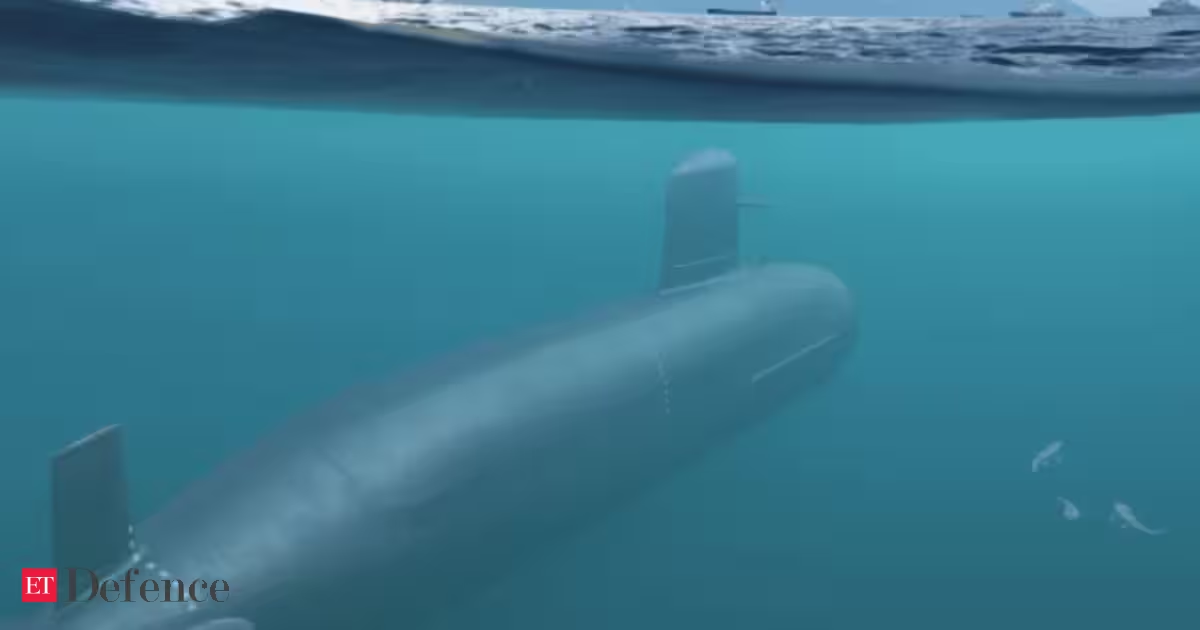
The UAW has launched a new phase of fieldwork at Mahabalipuram, building on the earlier discoveries. The team is equipped with a newly acquired Remotely Operated Vehicle (ROV) which can capture high-resolution imagery and video documentation of submerged remains without causing physical disturbance. The use of ROV not only enables exploration of deeper and more challenging marine environments but also enhances safety and precision in underwater research.