Can fiction make us more optimistic about tackling Earth’s environmental emergency? These eco-focused books have hope at their core
‘C
an literature be a tool to encourage something better – creating eco-topia on the page, so it might be imagined off it?” asks the novelist Sarah Hall in this weekend’s Guardian magazine. Climate fiction – or “cli-fi” – continues to grow as a genre in its own right; the first Climate fiction prize was awarded this year. And while the roots of environmental fiction are in apocalypse and despair, these five writers are moving beyond dystopia to hopeful possibilities.
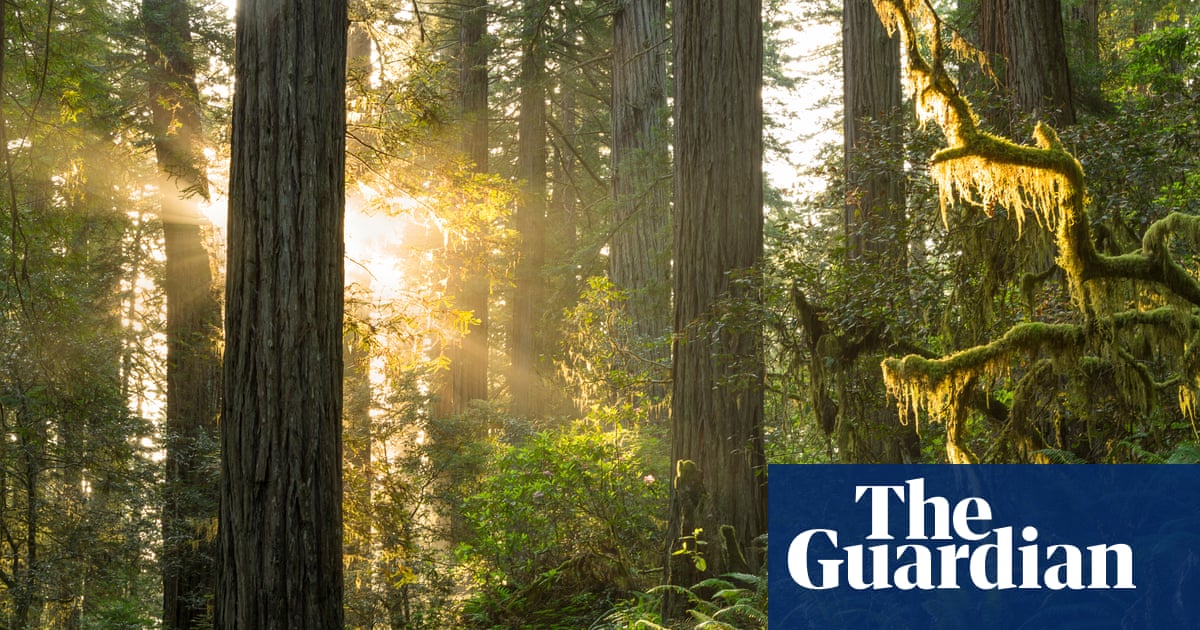
Powers was awarded the 2019 Pulitzer for this love letter to the arboreal world. Mimicking the interlinked canopy and undergrowth of the forest, he weaves the stories of nine core characters whose lives are deeply connected to trees. Olivia and Nick, for example, set up camp in a giant redwood for a year to prevent it from being cut down. They connect with other characters over their environmental activism, with one tragic consequence. But ultimately the novel is a homage to the resilience of humans and trees.
In Ghosh’s globetrotting novel inspired by Bengali legends, environmental destruction surfaces again and again: climate change-induced migration, wildfires, beached dolphins. This is no dystopia, but climate realism. Yet the novel feels fundamentally hopeful, with Ghosh nodding to cross-cultural cooperation as a means of facing climate destruction. Two female characters, marine biologist Piya and historian Cinta, also fortify us. “I don’t think my book is climate fiction at all,” said Ghosh in a 2019 interview. “It’s actually a reality that in hard circumstances humans often discover joy and faith.”