Over the past century, Tamil theatre and the city of Chennai have evolved in tandem. From puranic tales and nationalist dramas to political satires and tech-driven experiments, the city’s stages were influenced by its social and cultural shifts.
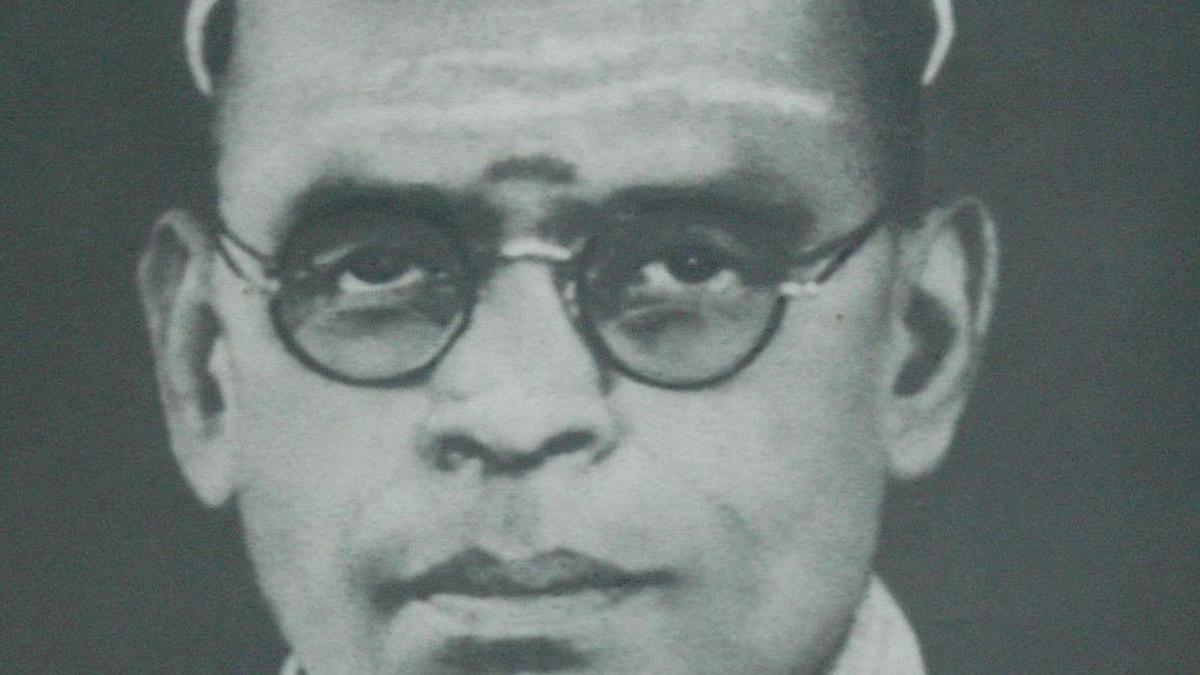
Thiruvottiyur Kasiviswanatha Mudaliar made pioneering efforts as early as the 1860s with his play Dumbachary Vilasam. Pammal Sambandha Mudaliyar, regarded as the father of modern Tamil theatre, founded the Suguna Vilasa Sabha in 1891 in Madras, first based in George Town and later on moved to Mount Road. The sabha popularised prose plays with realistic acting and minimal songs. Sambandha Mudaliyar wrote over 100 plays, acting in most of them. His comic masterpiece Sabapathy won wide acclaim. The Victoria Public Hall was a major venue for his troupe.
Sankaradas Swamigal professionalised theatre by training artists through his Samarasa Sanmarga Sabha. His work spurred the rise of Boys’ Companies, which staged numerous hits. In 1922, during the Swadeshi Movement, T.P. Krishnasamy Pavalar’s Kadharin Vettri was banned by the British in Madras. Retitled Kadhar Bhakti, it was later performed nationwide, even at an exhibition in London.
Feminist theatre activist A. Mangai recalls that in the early 20th Century, Balamani Ammal broke new ground as an actor and producer by founding the first woman-run theatre company with an all-female cast. Along with her sister Rajambal, she staged the first adaptation of J.R. Rangaraju’s detective novel Rajambal. Othavadai Theatre near Central Station was another important hub, hosting stalwarts such as M.R. Radha and N.S. Krishnan. The T.K.S. Brothers dominated the stage for decades with plays like Uyiroviyam, Rajaraja Cholan, and Avvaiyar.