Andrew Kötting’s complex docu-essay about his daughter Eden, who has Joubert syndrome, refuses conventional grammar
A
rtist and film-maker Andrew Kötting returns to the themes of consciousness and memory (both individual and collective) in this playful and ruminative docu-essay, in which he is again working with his daughter Eden; she is at once his subject and his collaborator.
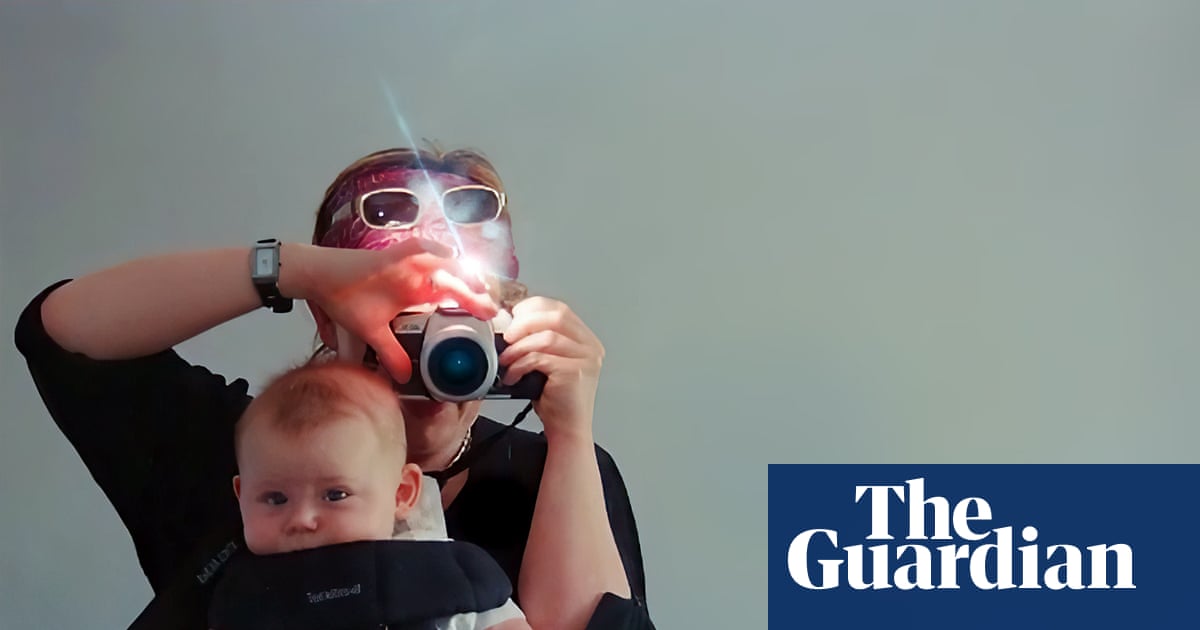
Eden was born in 1988 with the genetic disorder Joubert syndrome; she draws and paints and often appears in Kötting’s films. I have in the past wondered aloud if Kötting might tackle the challenges of being with Eden more straightforwardly. But perhaps that was obtuse of me; it could be that it is only this complex, layered, tonally elusive approach which refuses the conventional grammar of clinical concern does justice to the idea of seeing the world as Eden sees it.
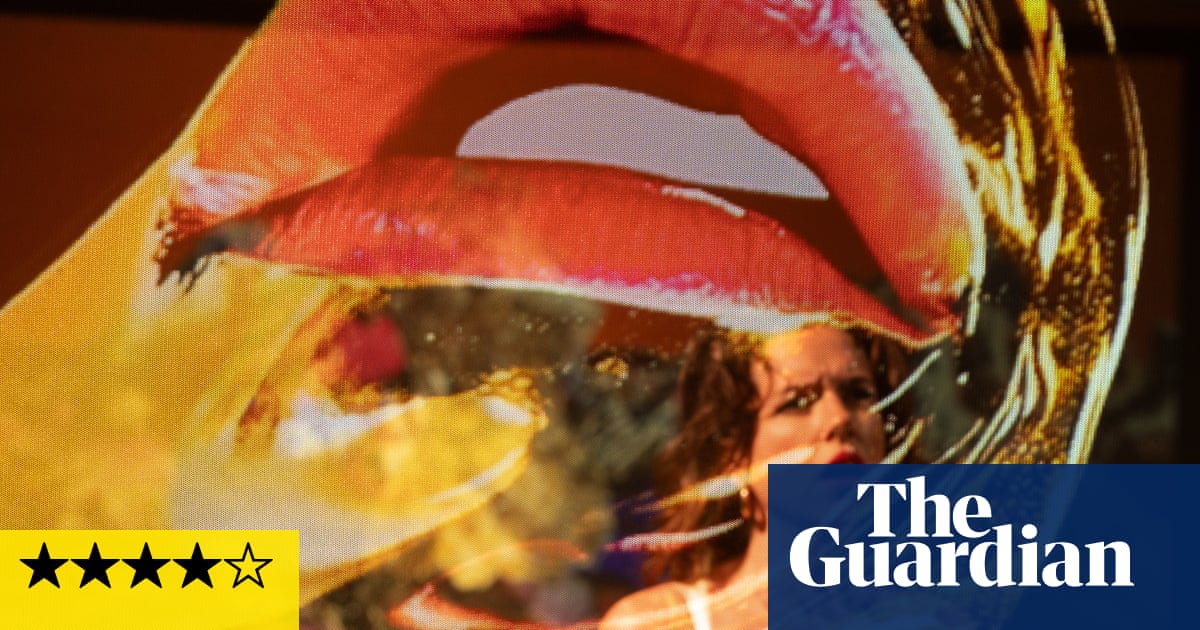
The film has Eden dressed in a blue gingham pinafore dress of the kind associated with Alice in Wonderland (and therefore, perhaps, associating her with the idea of a journey or pilgrimage which is often a trope in Kötting’s films). She is in a group alongside other adults with learning-development issues and on the shop floor of a factory where they are pretending that they are producing “memory blocks” with machine tools and 3D printers: hollowed-out metal blocks which are the containers or constituent elements of memory. They participate in the fiction that these blocks will stimulate consciousness and send them back in time to happy memories; 3D animated images of nuts and bolts float across the screen.