Sheridan Smith’s life has had huge highs and lows in recent years. In a candid interview, she talks about her emotionally gruelling time on I Fought the Law – and why she may never do a role like it again
A
community hall in north-east England has been hired for the afternoon to film a scene for one of the standout TV dramas of this year. However, it is off screen – in the cramped kitchen of the building near Hartlepool – that I am seeing one of the most extraordinary and moving tableaux that can have happened on a TV shoot.
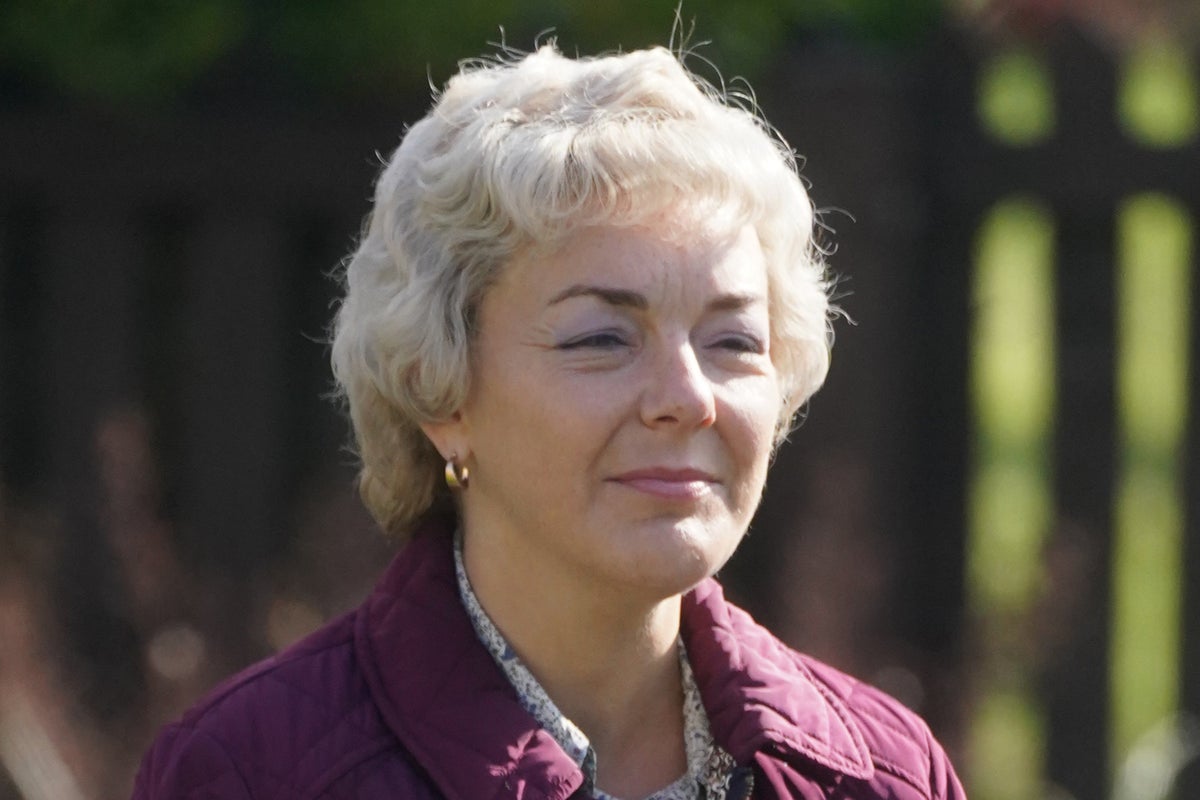
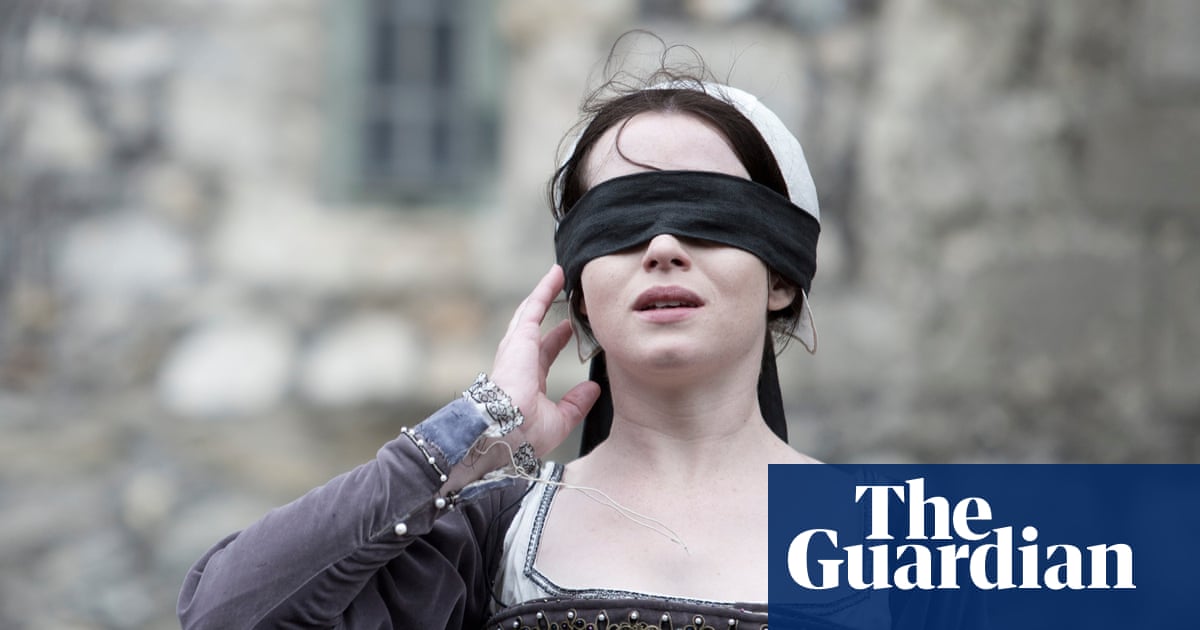
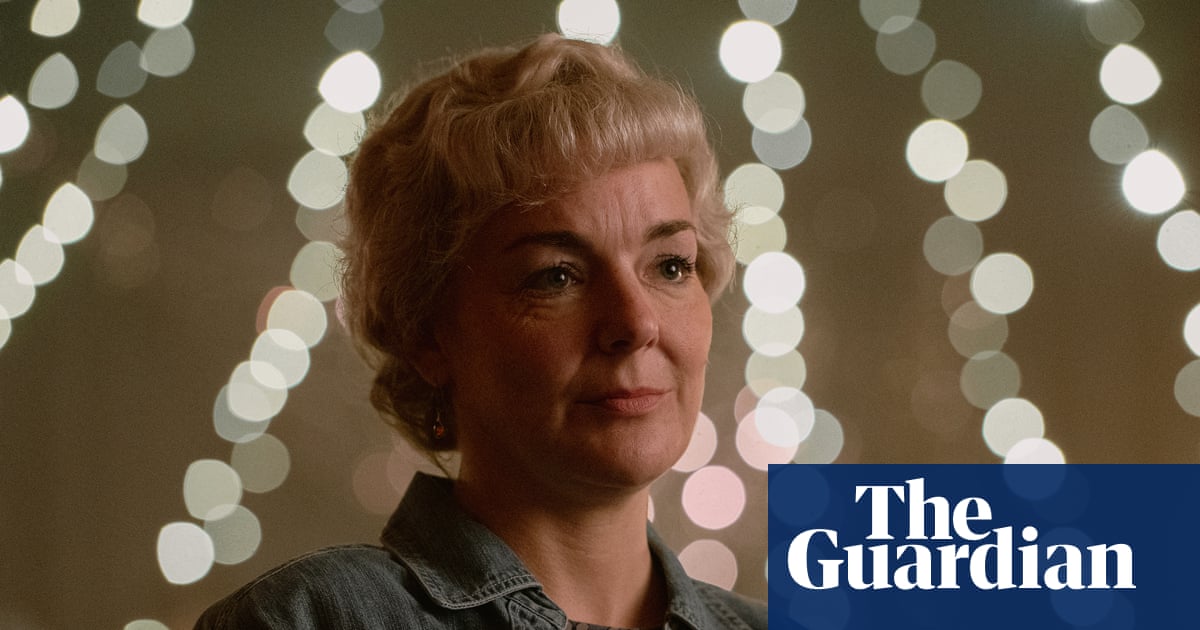
Standing before a monitor, Ann Ming, a retired surgical nurse, calmly observes Sheridan Smith pretending to be her with the uncanny accuracy of appearance and speech that is the actor’s speciality. The shot cuts to a young woman. At this point, the production team tenses: this character is Julie Hogg, Ming’s daughter, who was murdered, aged 22, in 1989. How might someone in their 70s deal with seeing a double of herself and her lost child?
“She looks like her,” says the bereaved mother, matter-of-factly. Such grace in bizarre circumstances will not surprise anyone who watches the ITV four-parter I Fought the Law. It shows Ming dealing first with what police believe to be Julie’s disappearance; then, after 80 days, the discovery of her body in the bathroom of a house forensic cops claimed to have carefully searched for five days. This led to the trial for murder of Billy Dunlop, who was acquitted when two juries could not reach verdicts. When the killer later confessed, he could not be tried again under the 800-year-old “double jeopardy” rule against being tried twice for the same crime. The main focus of the series is Ming’s campaign to overturn that rule. She did so in 2006 – after 17 years.