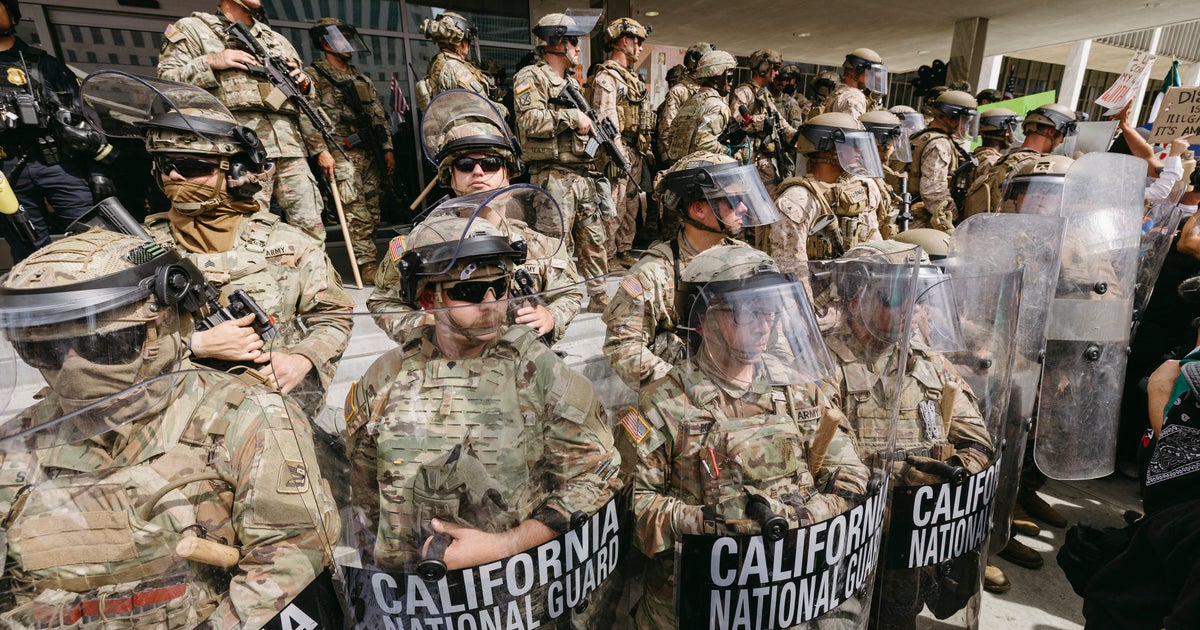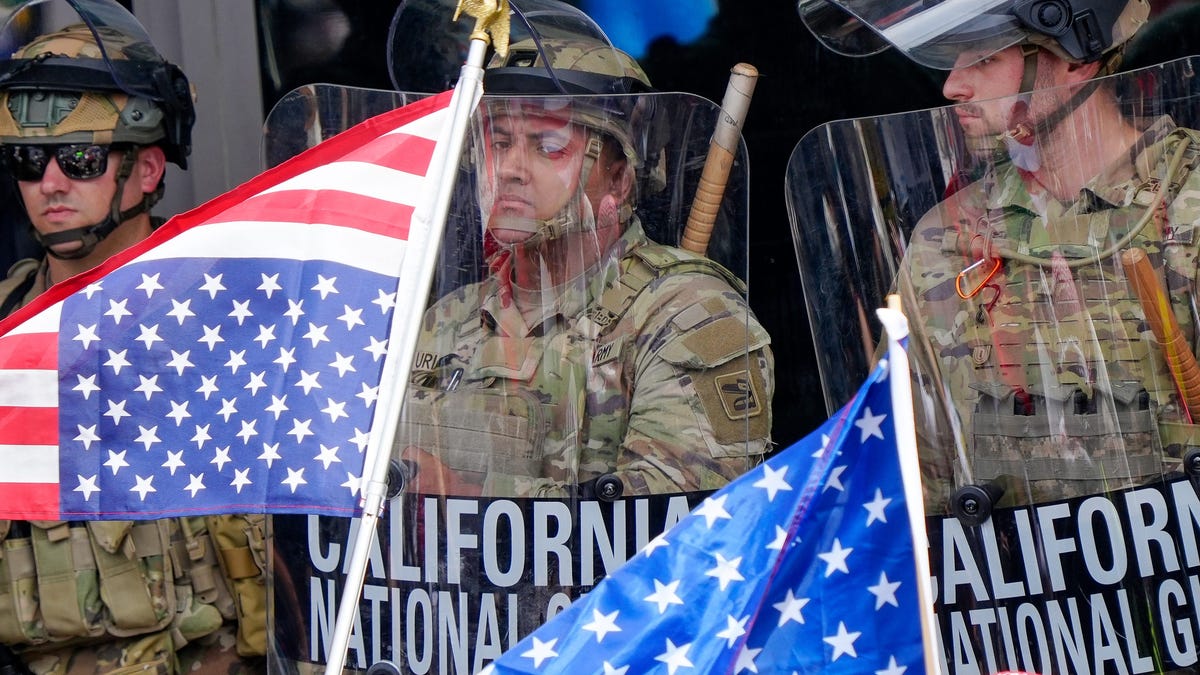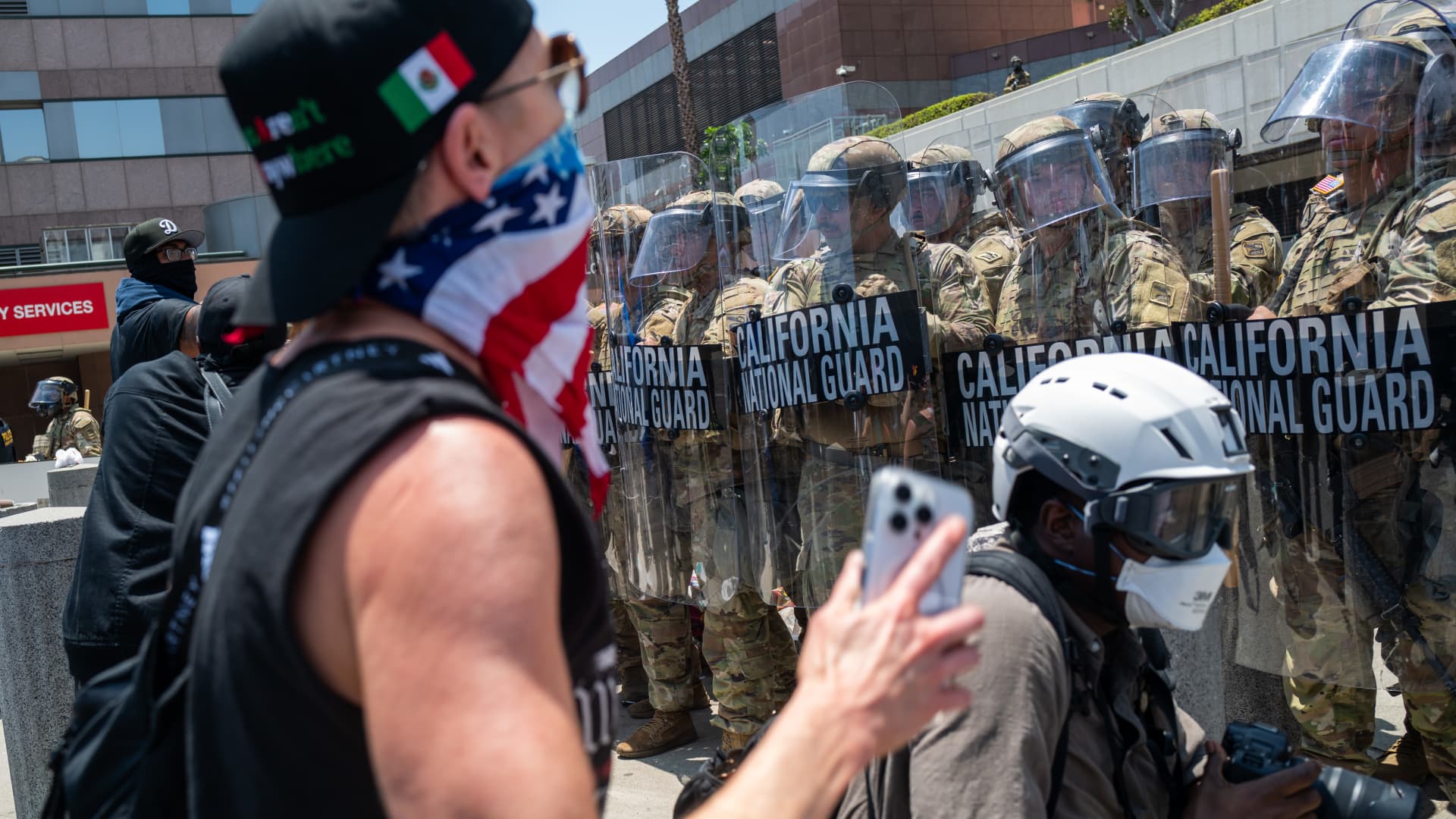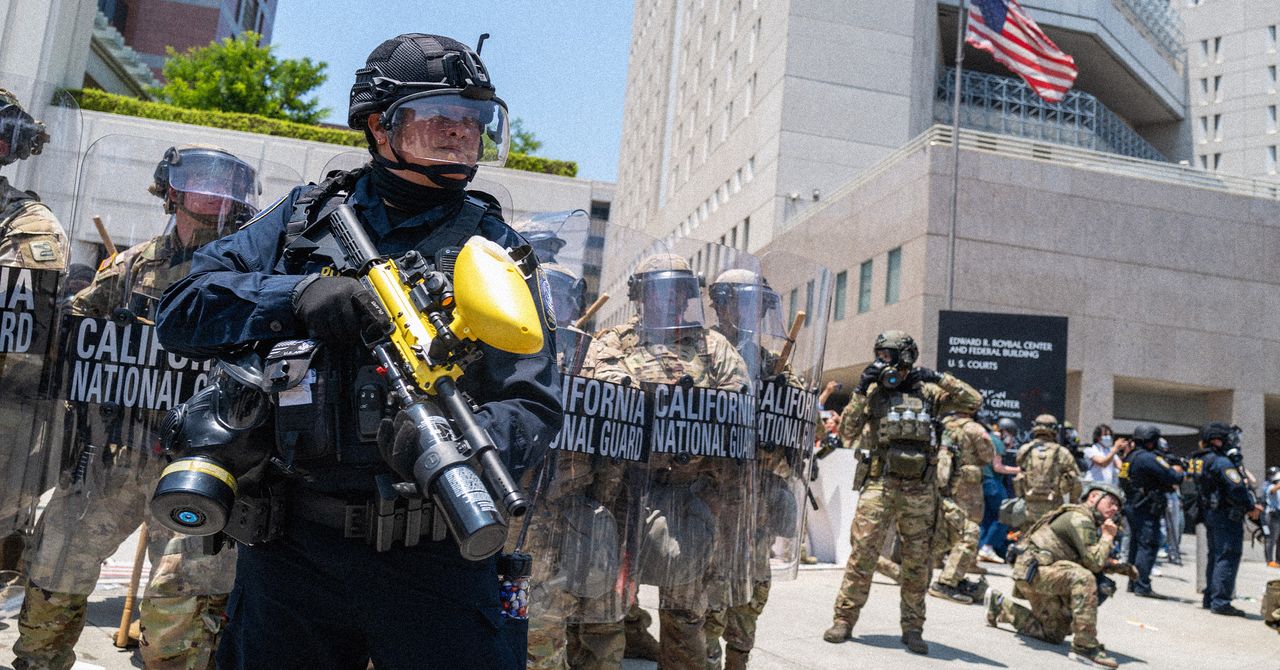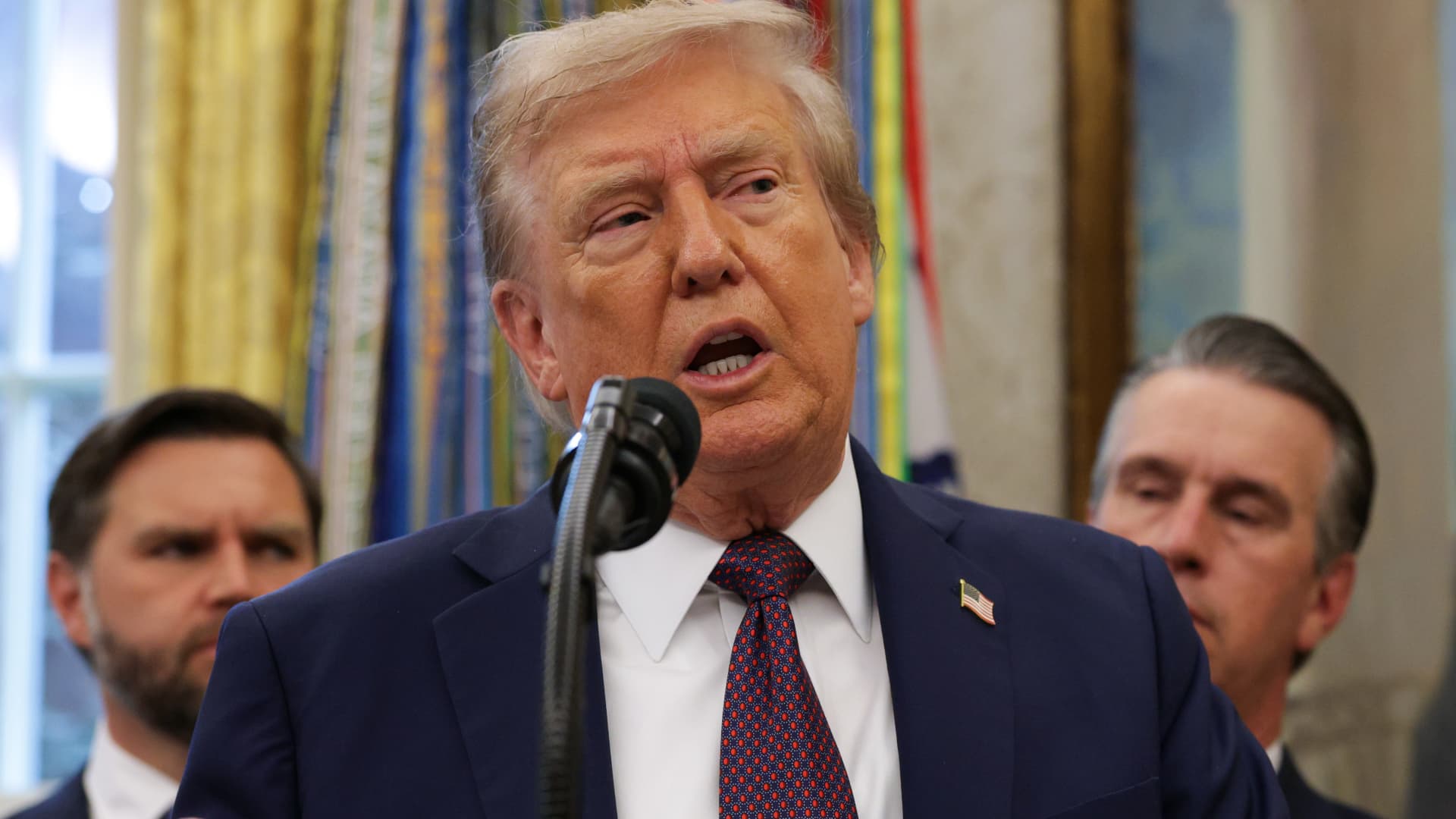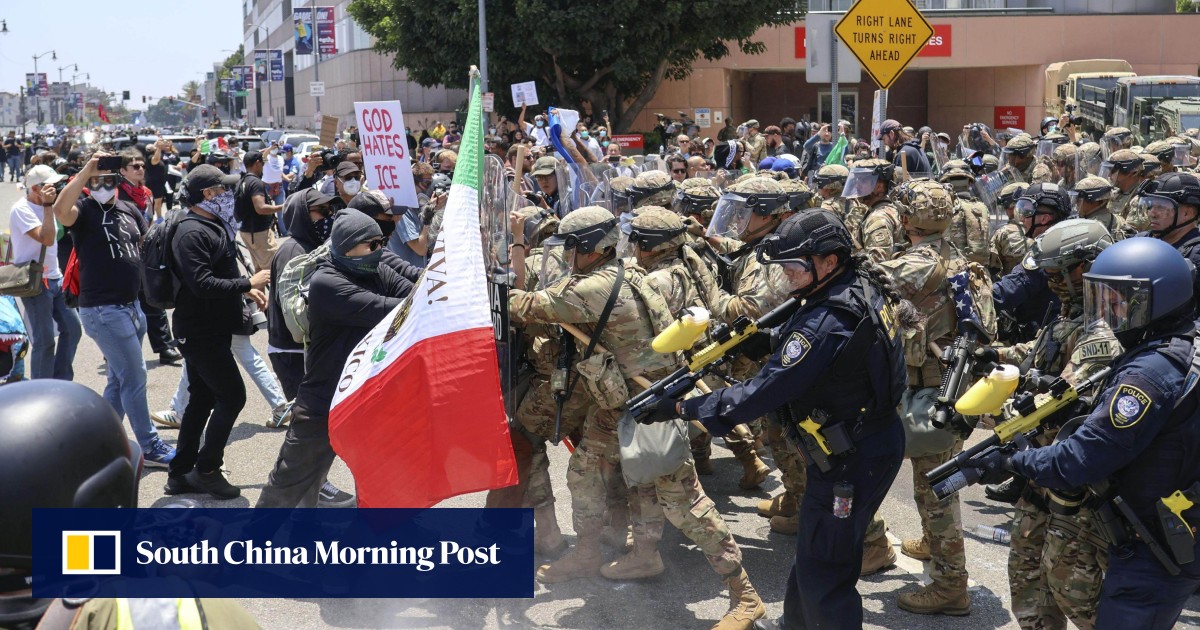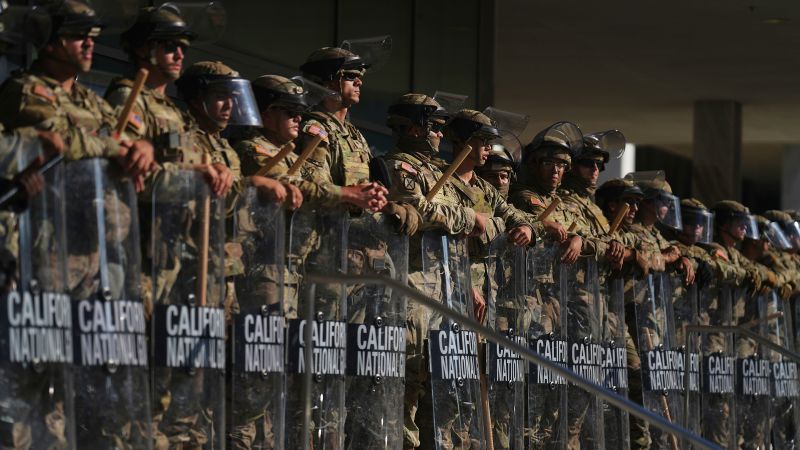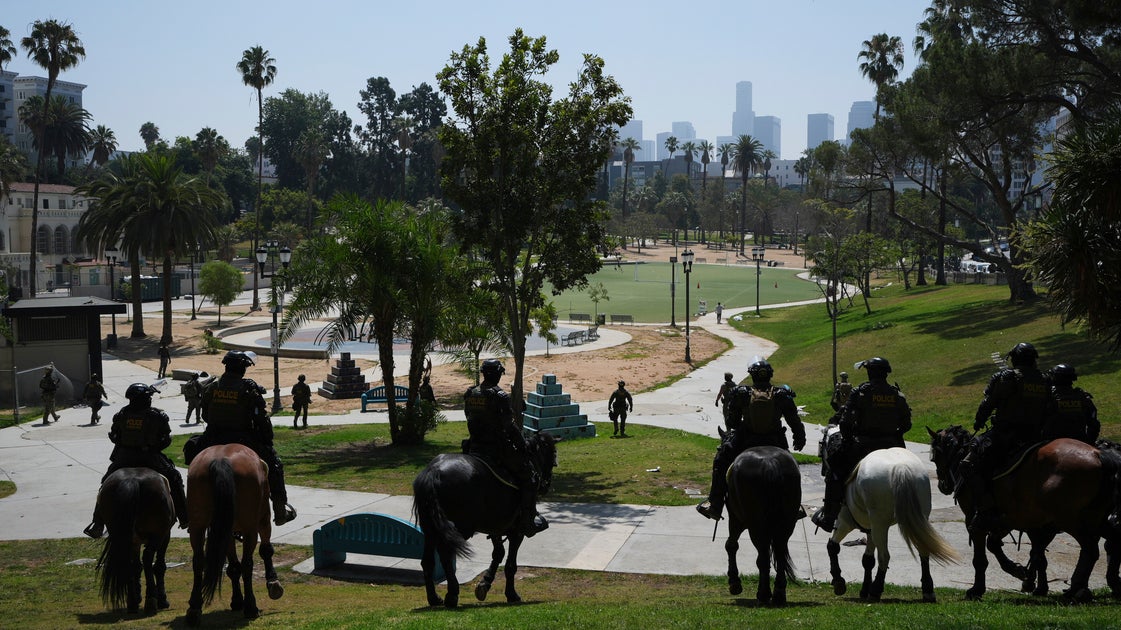
For the state of California, President Donald Trump’s deployment of Marines and National Guard in response to protests over immigration raids in Los Angeles was an illegal “military crusade” based on Trump’s desire to push his political agenda and silence dissent. For the Trump administration, it’s about the protection of federal law enforcement officers against a “rebellion.”
For a judge who weighed both of those arguments this week in San Francisco, it is up to him to decide what the limits are on presidential power, at a time when that president’s thirst for militarizing cities is growing and Justice Department lawyers argue that states have no choice on the matter.
Senior U.S. District Judge Charles Breyer heard arguments, evidence and witness testimony over three days this week underpinning California Gov. Gavin Newsom’s lawsuit against the Trump administration, alleging that the federalization of troops deployed to the Golden State violated the Posse Comitatus Act. The 1878 law bans the use of the military in civilian law enforcement activities unless there is consent from Congress or it is “expressly authorized by the Constitution.”
The administration’s arguments seemed to largely hinge on claims that Trump’s authority to deploy forces is sweeping because he has a vested interest in protecting the United States and that is part of his inherent constitutional powers as president — the doctrine is called “protective power.” In effect, the department argued, it was virtually impossible for Trump to violate the Posse Comitatus Act.