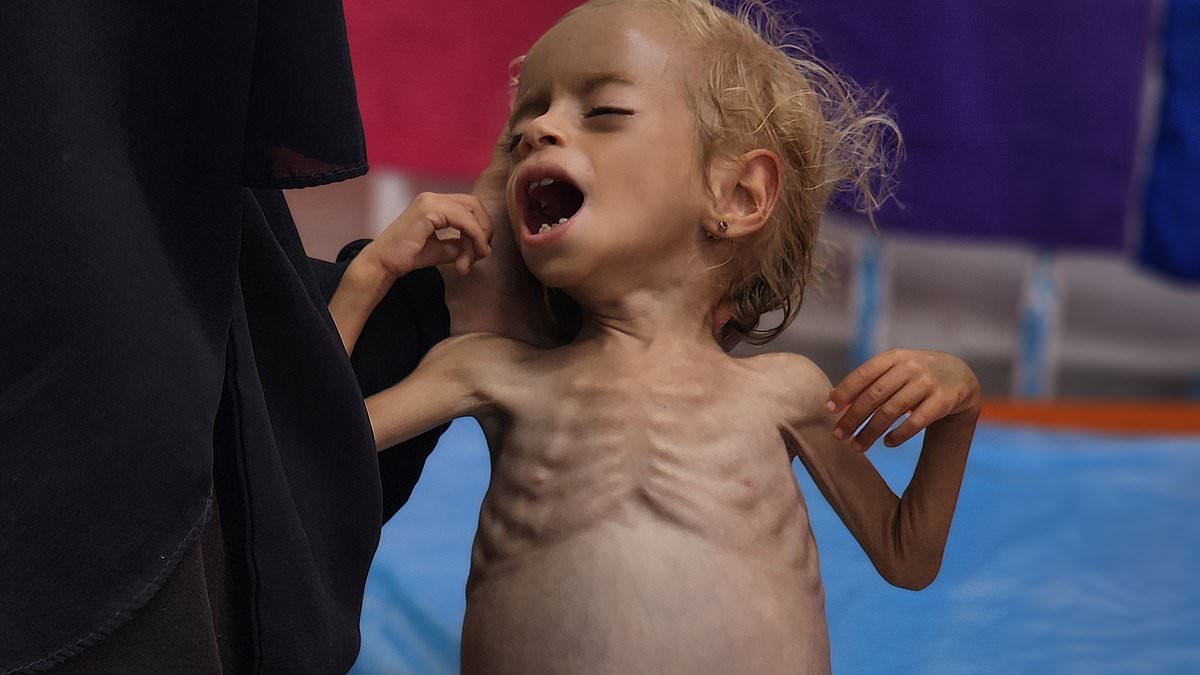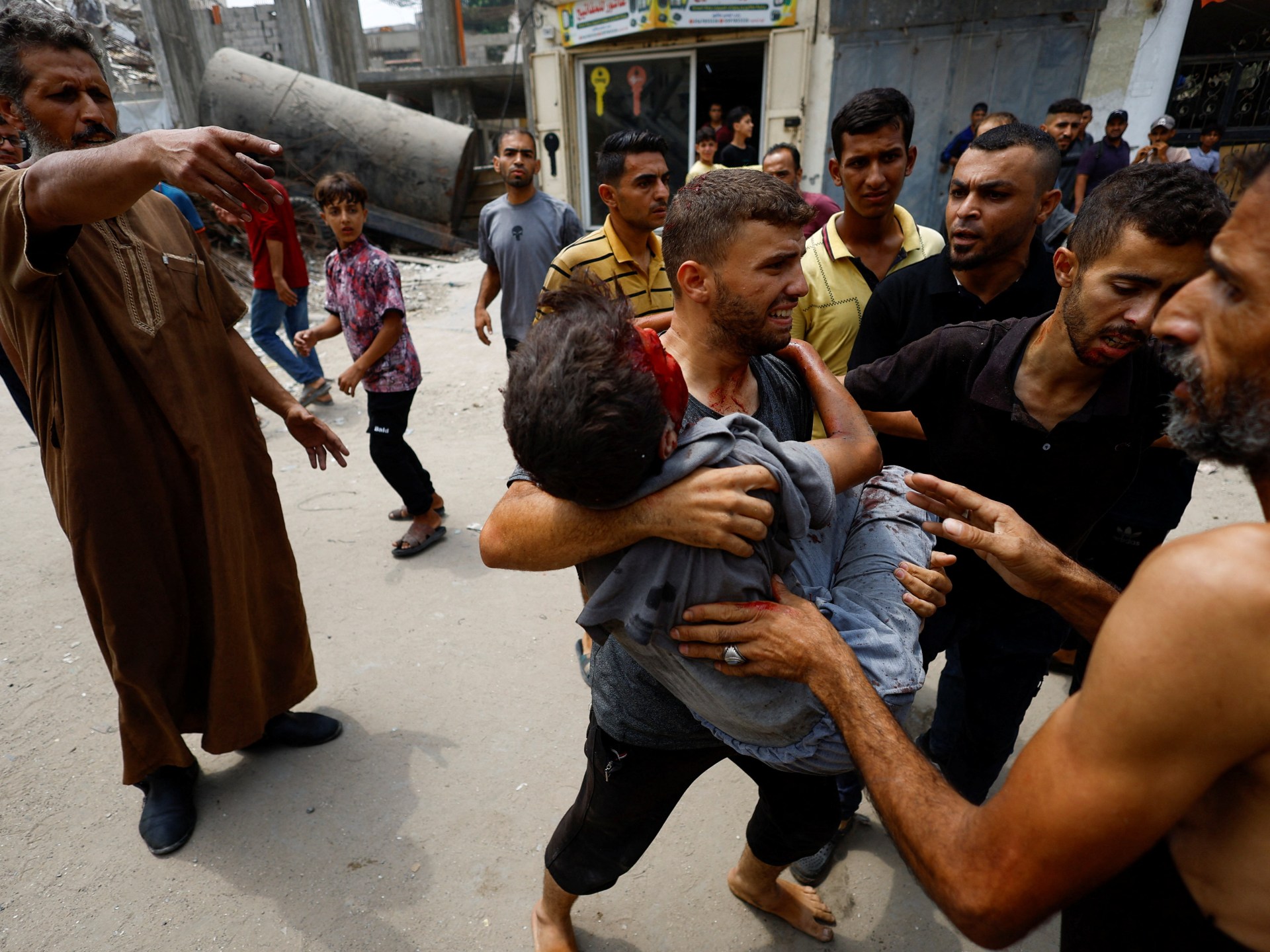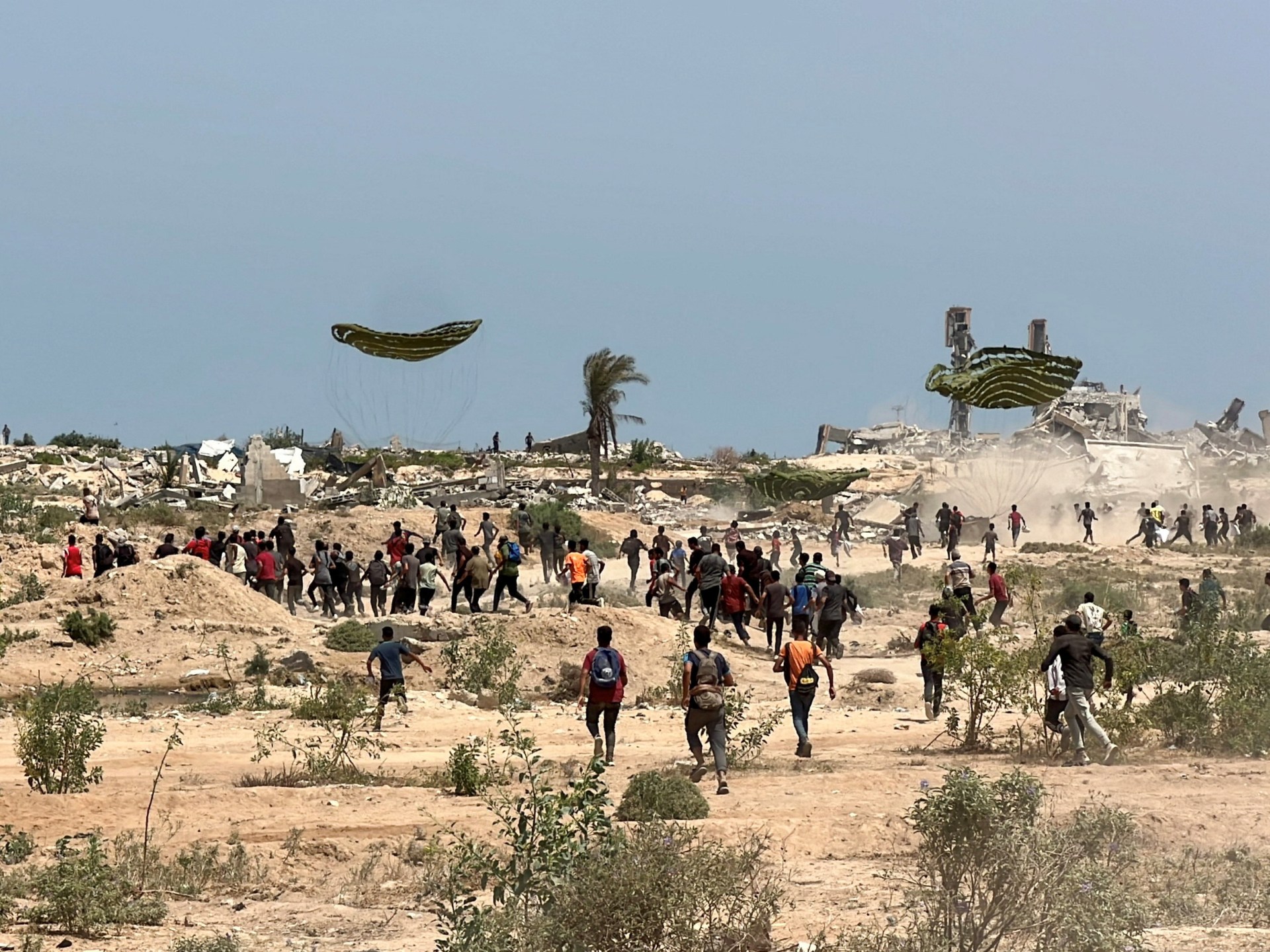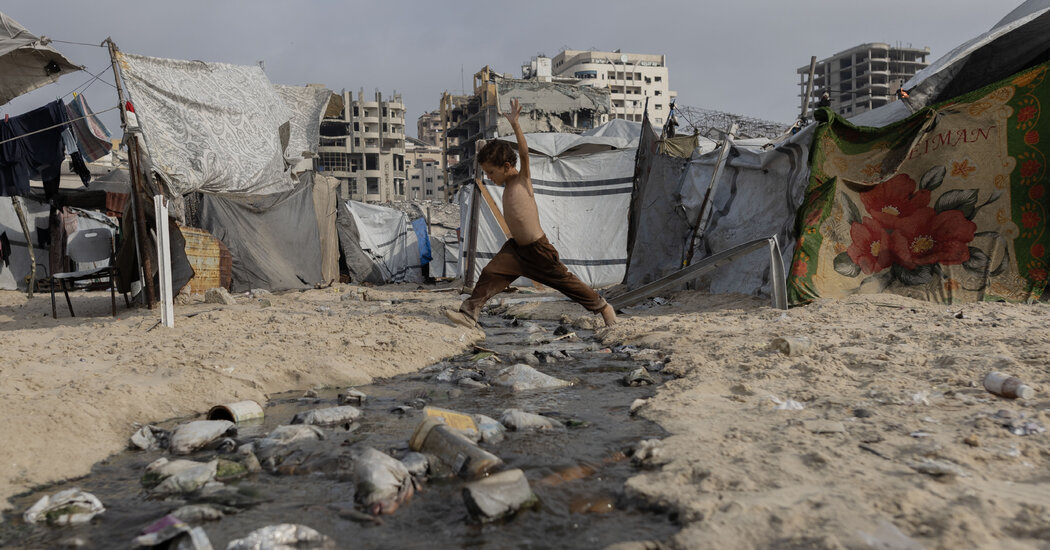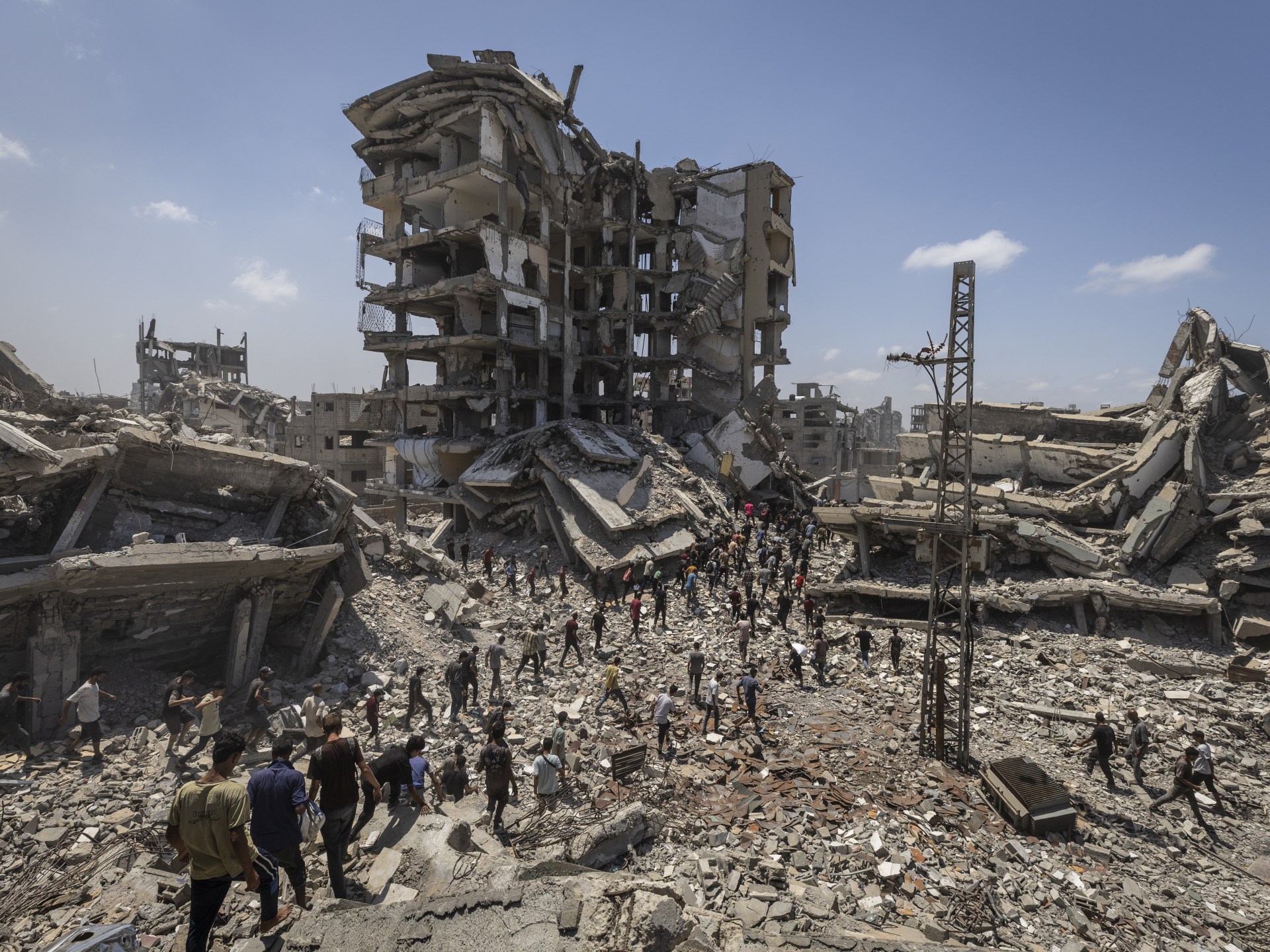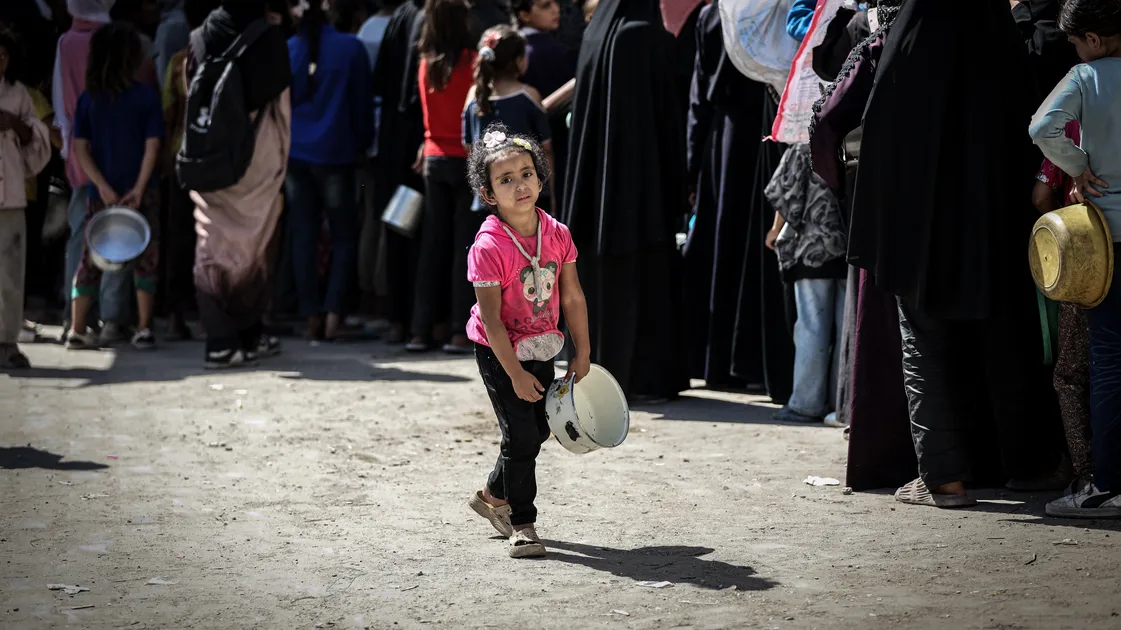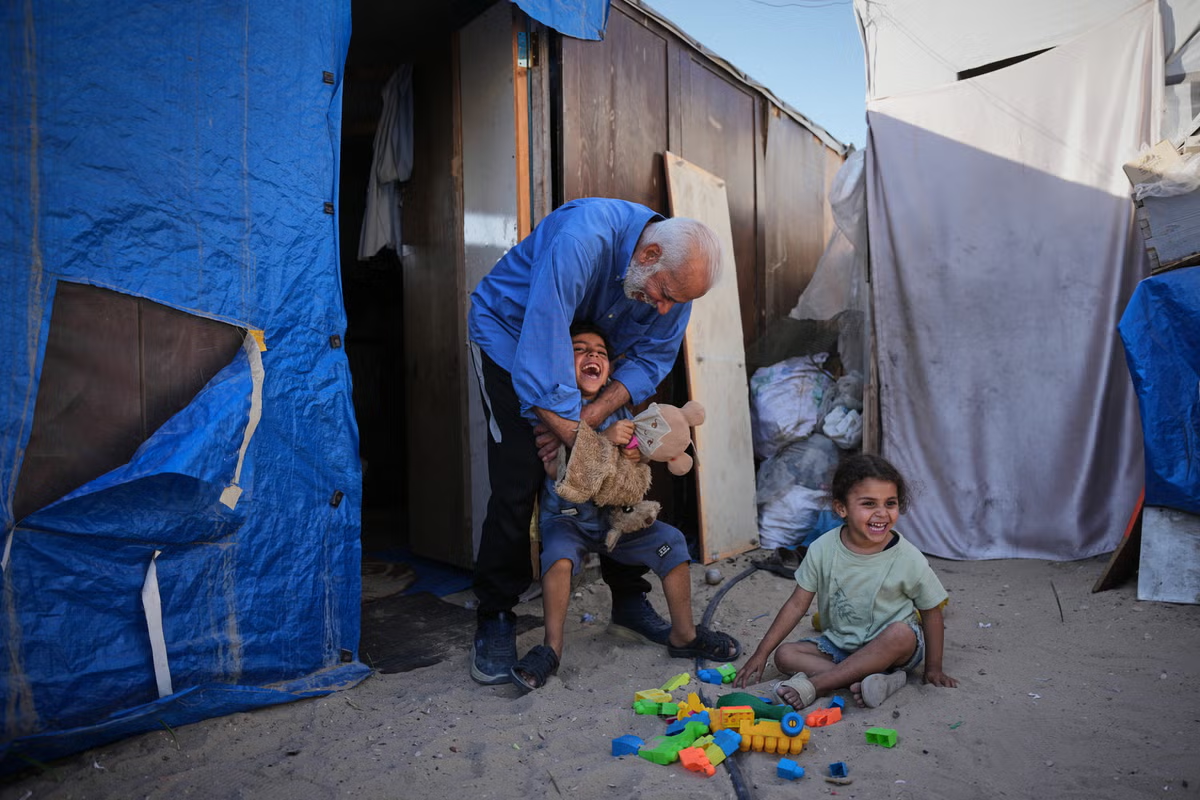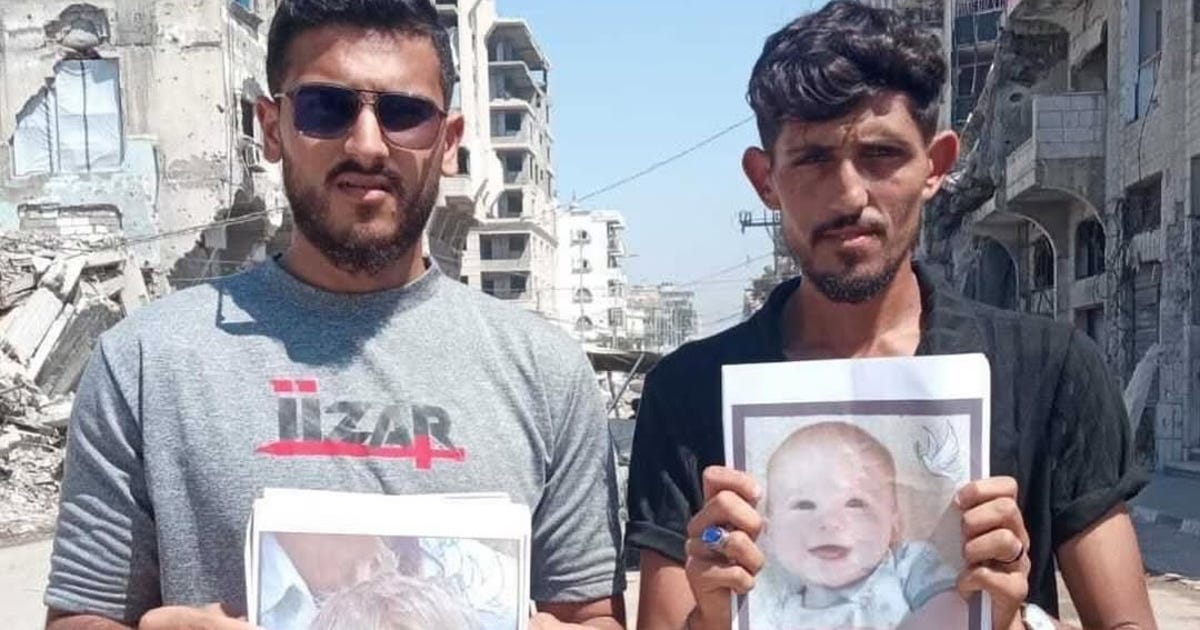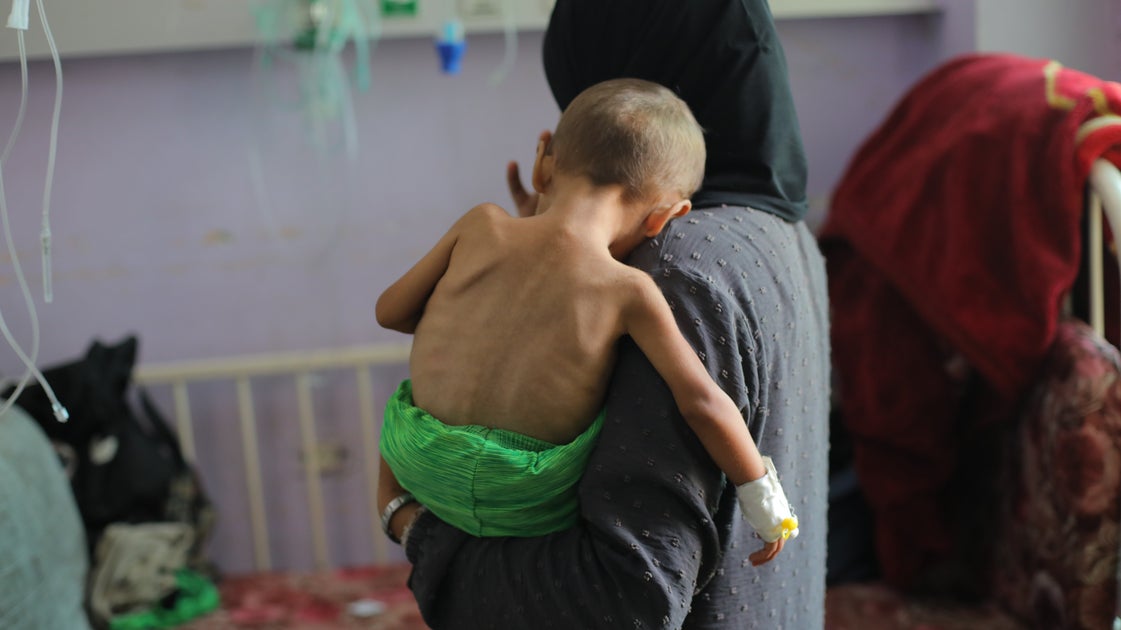
As the violence in Palestine continues to intensify, the images of war that have been perhaps the most challenging to process during the last couple of weeks are of the tiny, emaciated bodies of children who are struggling to survive. The death toll of children in Gaza is now believed to be over 18,000 since October of 2023.
Regardless of where your politics fall, images like these are a jarring reality. Some of us, feeling both helpless and hopeless, cling to a grim hypothesis of how it all got this devastating. We attempt to help in ways that we’re able, one of those being spreading awareness and sending aid however possible. And to cope with what we see and read, we have therapists, friends and community members whose values align — whom we can feel the darkness with and process our feelings enough to function.
But what happens when our kids — specifically young people who scroll constantly — consume these images of children in Gaza? Receiving these images without much context is intense and overwhelming. Providing them support, though, can be a perplexing task for parents.
How, as a parent, do you even begin to explain why this is happening?
“This is such a thorny question,” says Juli Fraga, a San Francisco-based clinical psychologist who specializes in loss, grief, and supporting parents in creating a safe environment to experience all emotions. “We want to be honest with our kids, but we don’t want to overwhelm them. Even an answer like ‘War is devastating, and it doesn’t make much sense why it happens’ might work, depending on your child’s age.”