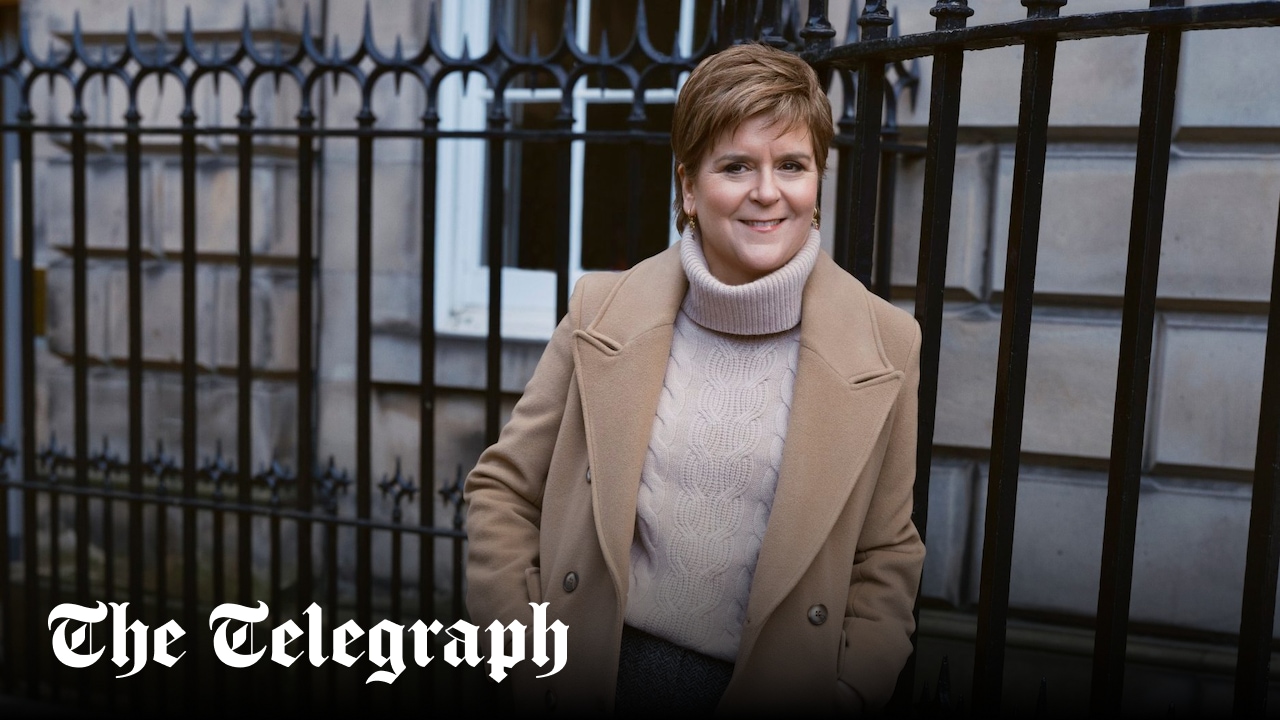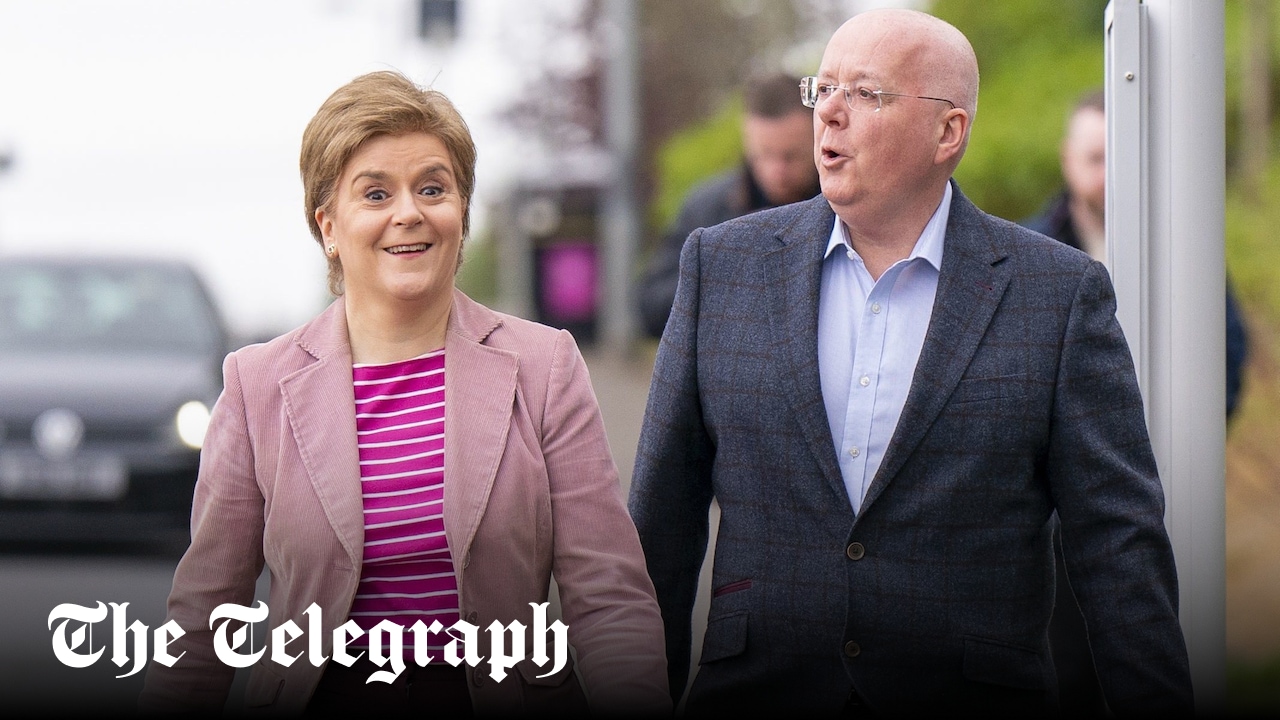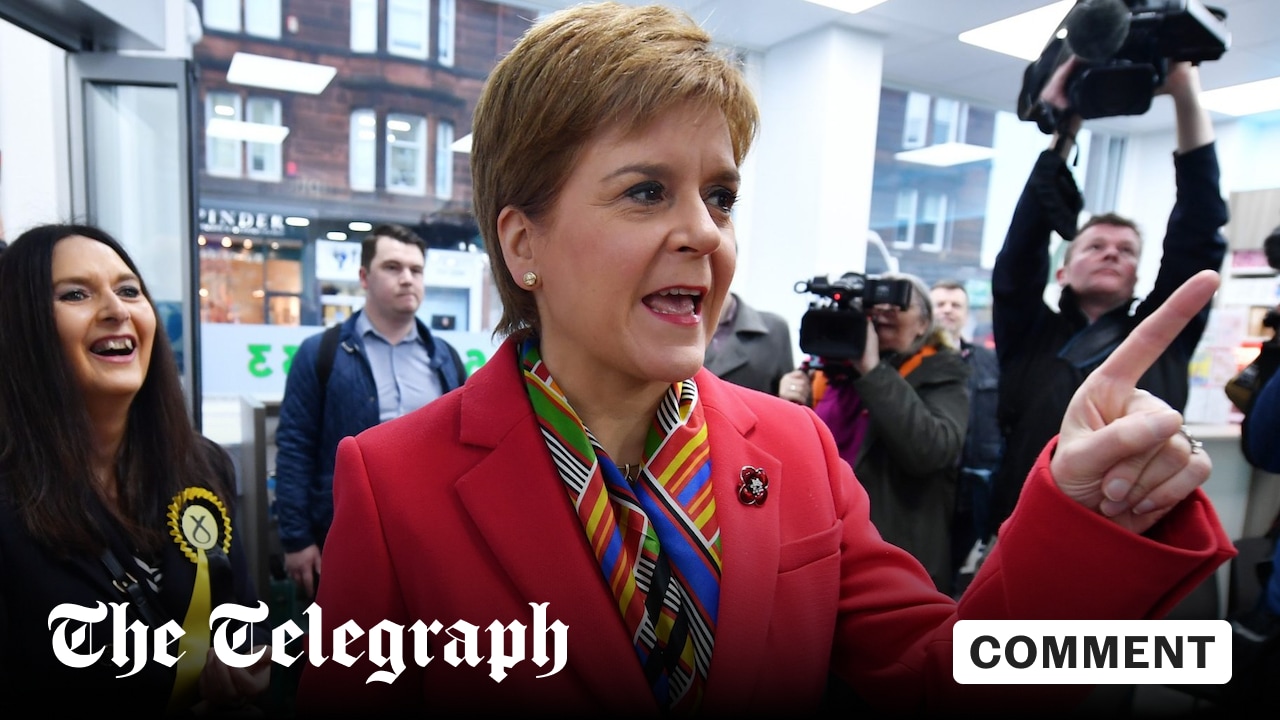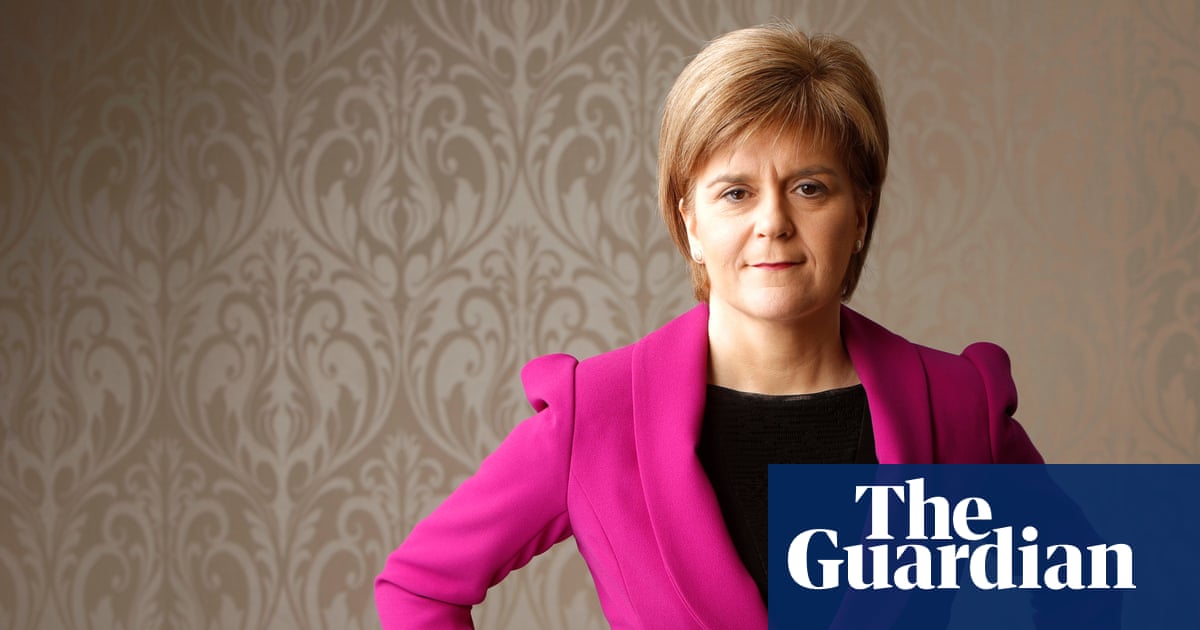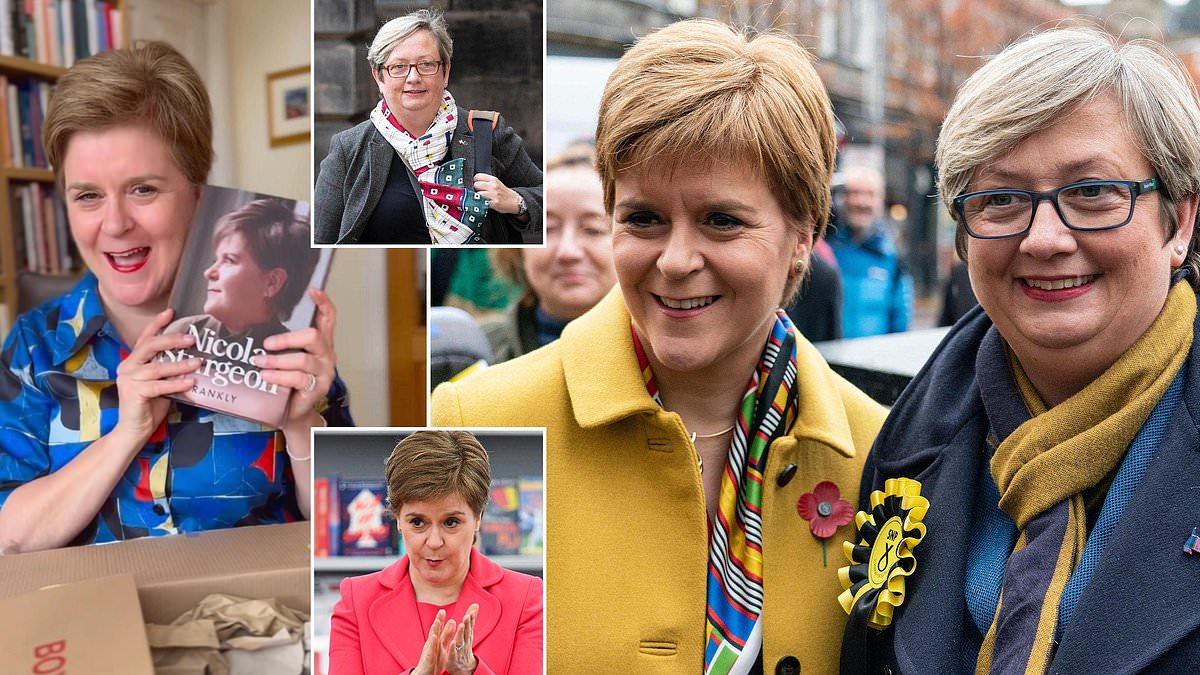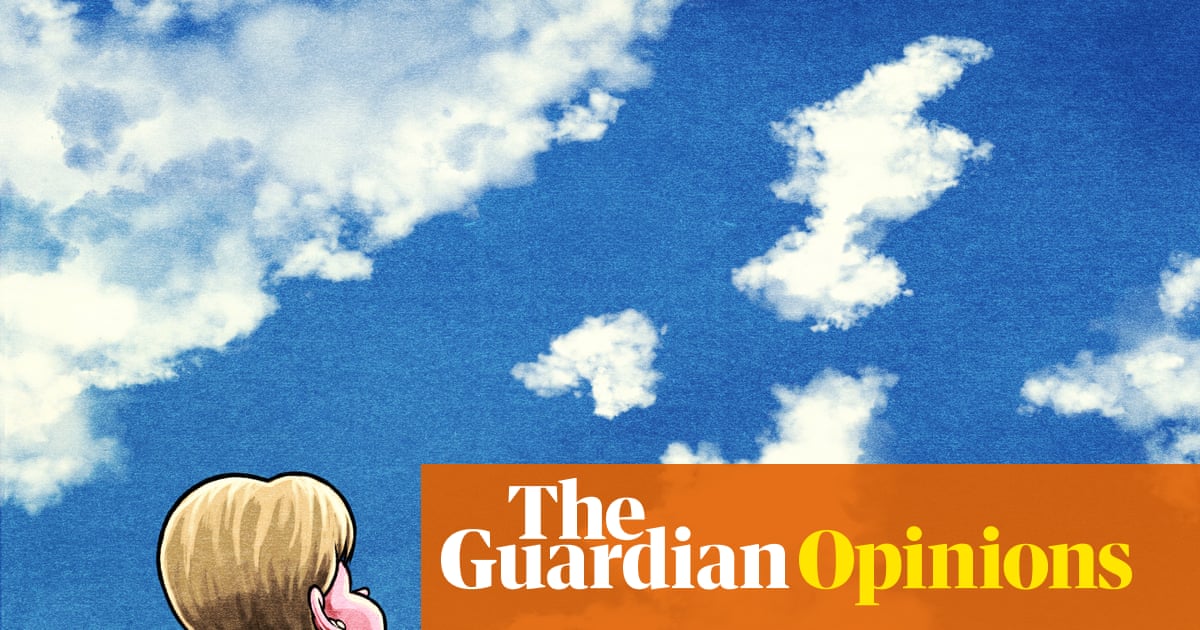
Many of her admirers gloss over her desire to break up the UK as Scotland’s first minister. But in her open and touching memoir, it plays a starring role
N
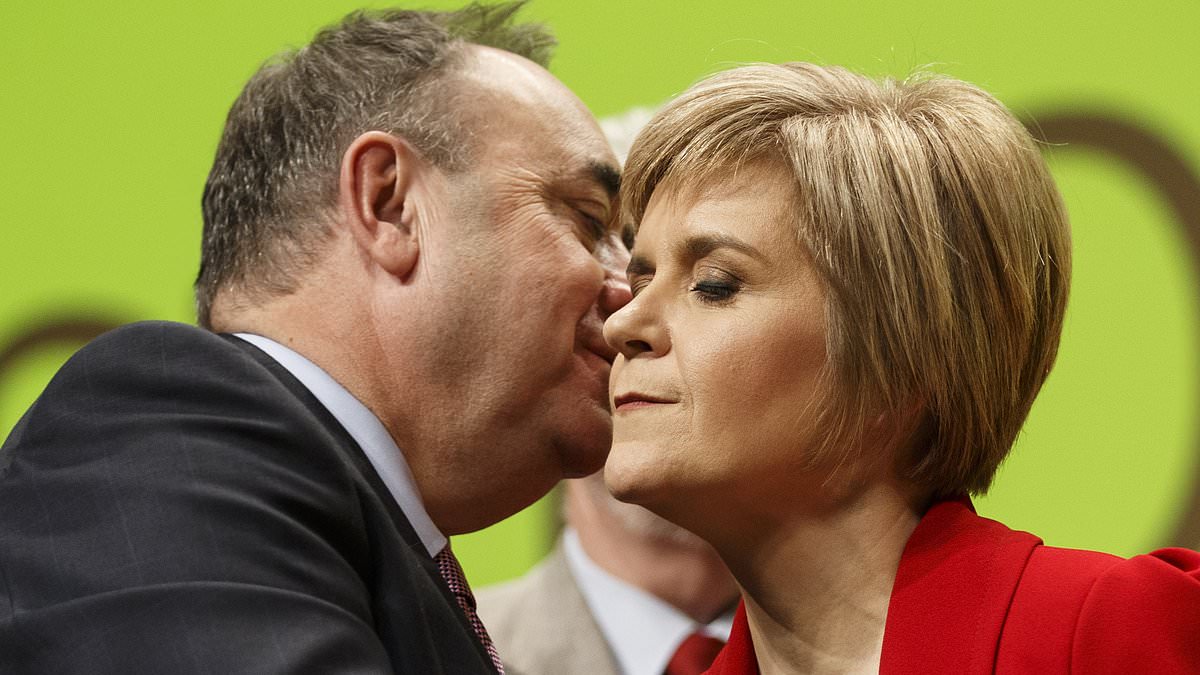
icola Sturgeon was – and still is – important, talented, personable and, to many, inspirational. She was also extremely lucky and often wrong, sometimes seriously so. There are examples of all these qualities in her newly published memoir, Frankly. Sturgeosceptics should concede at once that it contains much that is fascinating, especially about her relations with her charismatic mentor turned vengeful enemy Alex Salmond. Starry-eyed Sturgies should equally admit she made several deep and lasting errors that have left behind a divided nationalist party and movement.
The book is more open and touching about private issues than most political memoirs, although Sturgeon deploys these qualities selectively. Many of the intimate reflections are about being a woman in politics. Other memoirs by female politicians – including those of Margaret Thatcher, Hillary Clinton and Angela Merkel – leave such subjects alone.
Sturgeon does not. She writes about her relationships, her miscarriage, her sexuality and her menopause. Yet to me, the single most affecting sentence in the book comes near the end, when she describes her resignation in 2023. “In short,” she writes, in words that should be pondered by male and female rulers alike, “I was exhausted.”