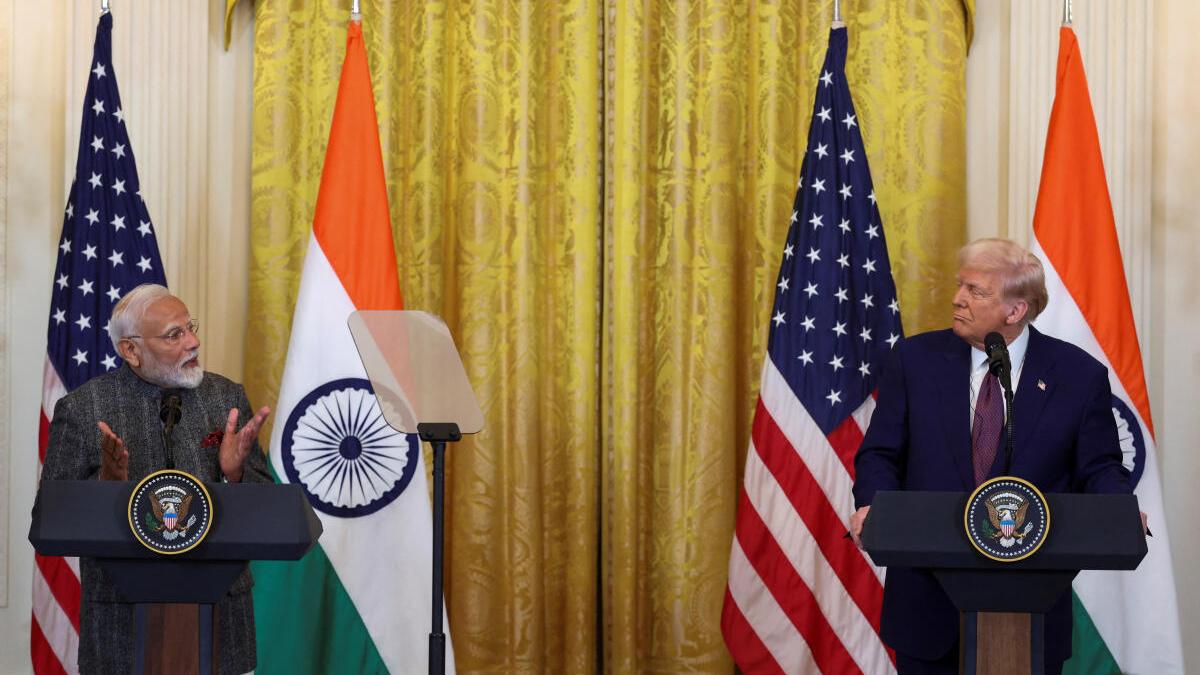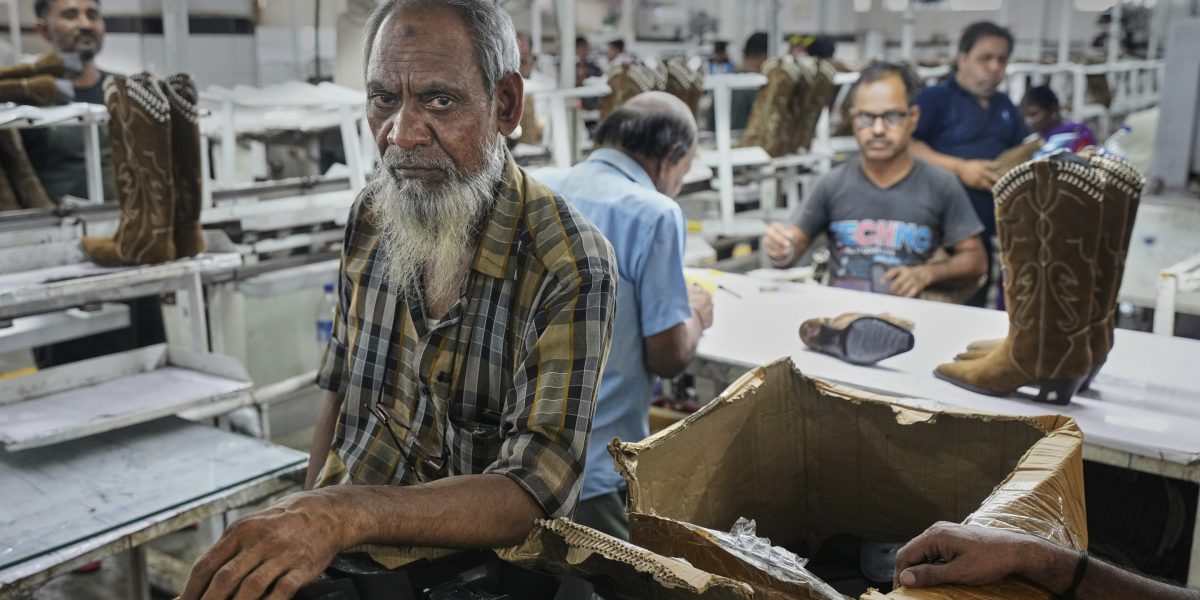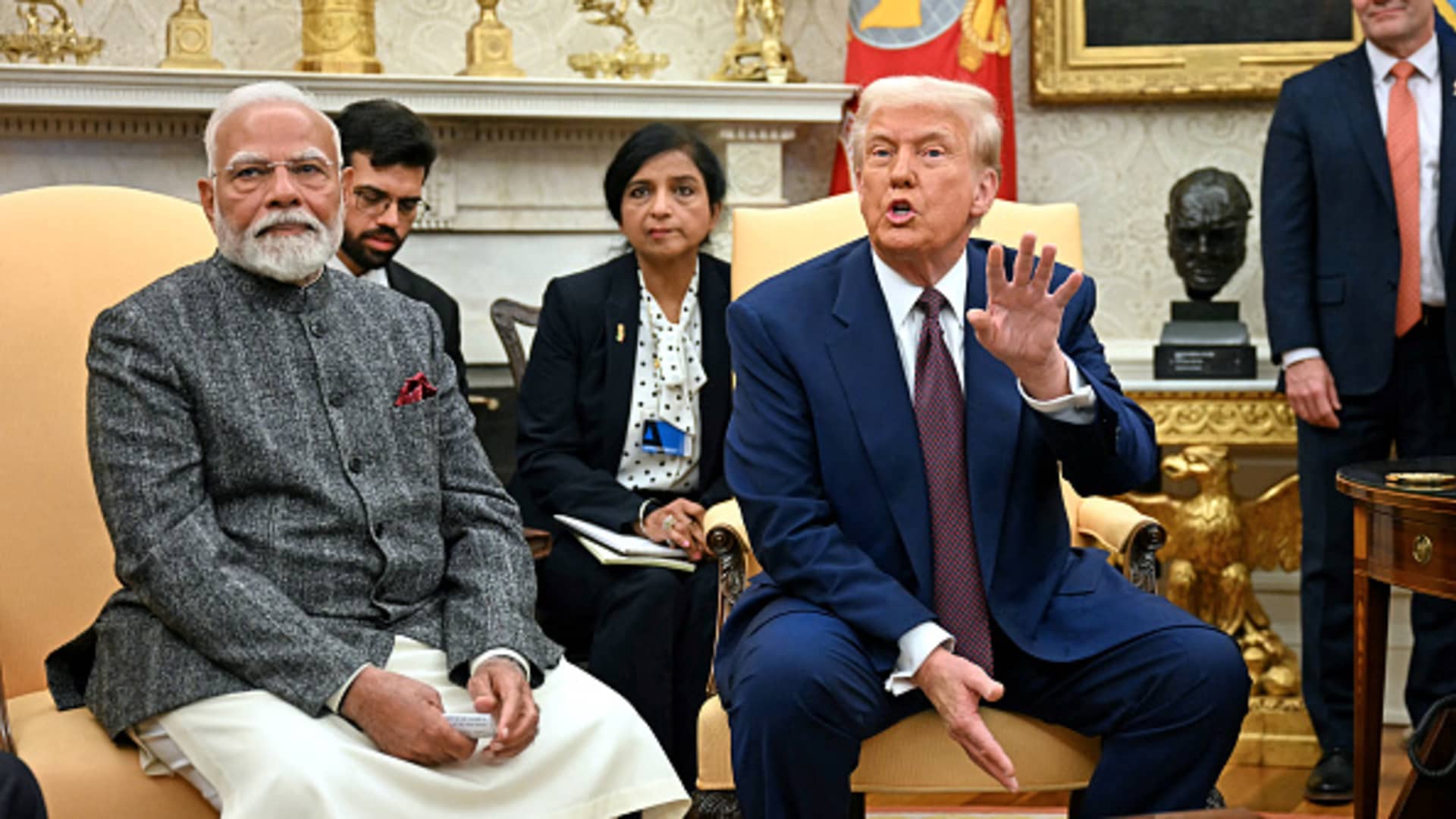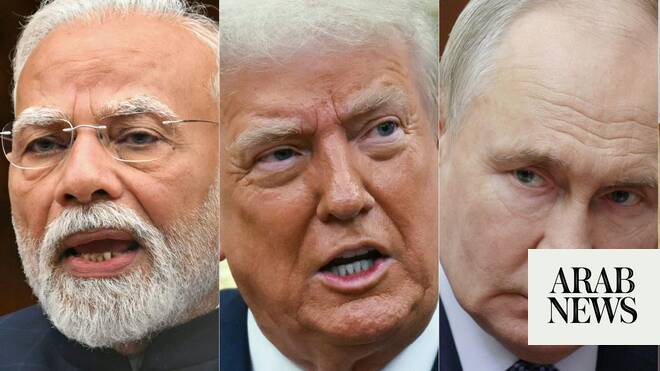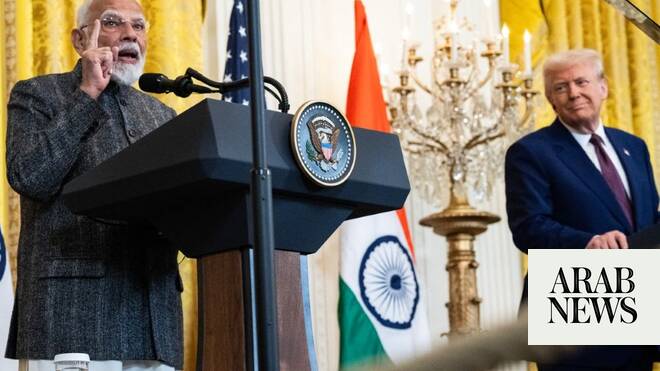
(This article is part of the View From India newsletter curated by The Hindu’s foreign affairs experts. To get the newsletter in your inbox every Monday, subscribe here.)U.S. President Donald Trump last week announced that he will impose an additional 25% tariffs on Indian goods as a penalty for the country’s oil purchases from Russia. This will take the effective tariffs on India to 50%, as Mr. Trump had already announced a 25% reciprocal tariff after talks to reach a trade deal hit road blocks. This makes India, along with Brazil, the highest-tariffed country (In the case of Brazil, Mr. Trump’s excuse for 50% tariffs was that Jair Bolsonaro, the former President, is being tried for a coup attempt after his defeat in the 2022 presidential elections). China, which imports more oil from Russia than India, pays 30% as of now. On August 11, Mr. Trump extended the deadline for higher tariffs on China to November 9, allowing time for further negotiations. Turkey, the biggest importer of Russian oil in the western hemisphere (and an American-Nato ally), pays 15%. The European Union, whose trade with Russia ($77.9 billion) was bigger than India’s trade with Russia ($68.7 billion) in 2024, pays 15%. Look at Asia. It’s 15% for both Japan and South Korea, and 19% for Indonesia.India has so far not announced any retaliatory measures. A host of Indian sectors, particularly the garment and leather industries, will be affected by increased U.S. tariffs. The 25% reciprocal tariffs went into effect on August 7, and the ‘penalty tariffs’, per the White House, will kick on August 27. On August 6, the Ministry of External Affairs called Mr. Trump’s decision “extremely unfortunate”, “unfair, unjustified and unreasonable”, promising to protect India’s national interest. While there is no official explanation on what went wrong in trade talks between the two countries, Prime Minister Narendra Modi said on August 7 that he would never compromise on the interests of India’s farmers, fishermen and dairy keepers, indicating that talks broke down over market access to the agricultural and dairy sectors.This is a moment of crisis for India-U.S. ties. When Mr. Trump returned to the White House, many countries were worried about the effect it would have on their bilateral ties with the U.S. India was not among them. Prime Minister Narendra Modi met Mr. Trump at the White House in February, a few weeks after Mr. Trump assumed office. Tensions, however, started rising after the May fighting between India and Pakistan that followed the Pahalgam terror attack. While Mr. Trump claimed that he averted a nuclear war between the two countries through his intervention, India’s position is that Pakistan asked for a ceasefire and India agreed to it. How the tariff crisis is going to affect India’s ties with the U.S., which many believe is one of the most consequential bilateral strategic partnerships of the 21st century? Will India cave in to U.S. pressure or an aggravated India would take more steps to bolster its cooperation with Russia and other countries in the Global South? [(Trump clearly prefers China over India for trade).] Read this explainer by Suhasini Haidar.Netanyahu’s Final Plan
The View From India newsletter: Tariff storm in India-U.S. ties
The View From India newsletter: Tariff storm in India-U.S. ties
1,071 words~5 min read