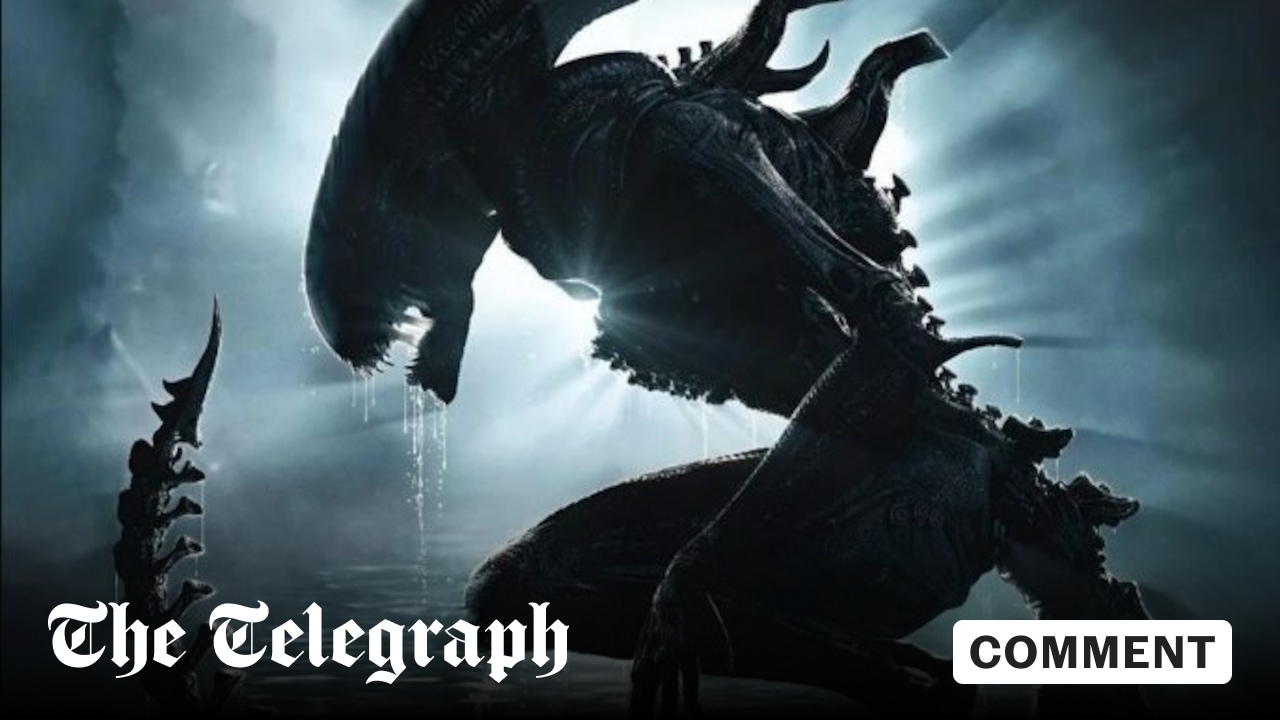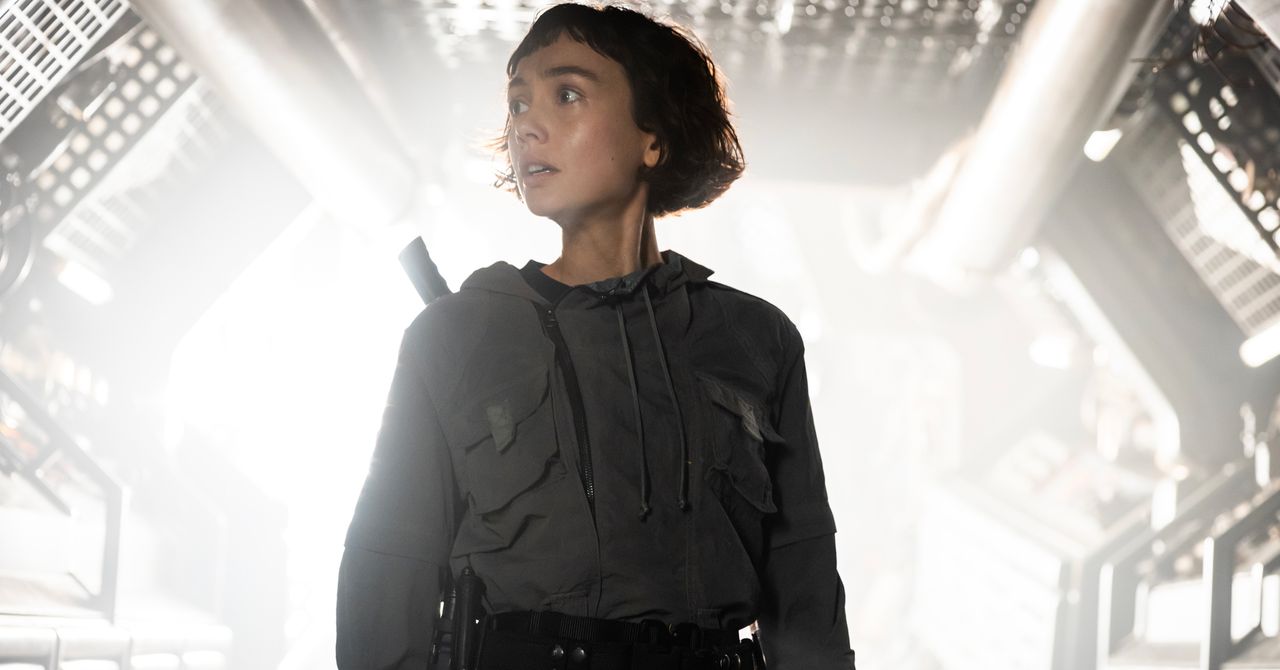
The gloriously horrific monsters are classic nightmare fuel in this incredibly confident new take on Ridley Scott’s movie franchise. We haven’t seen a trail of bodies like this in years
I
t’s usually a bad sign if you’re wondering what the heck is going on in a drama when you’re two episodes in, but there is an exception: you can happily ride on if you sense that, although you don’t know what it’s doing, the show definitely does. Such is the bristling, bewildering, overpoweringly confident aura of Alien: Earth, a new TV take on cinema’s greatest sci-fi horror franchise by writer-director Noah Hawley of Fargo fame.
We are in the year 2120, just the right setting for a show that plays on our fears that our grandchildren and great-grandchildren are going to live in hell. Simple green-on-black text, styled like a computer readout from the 80s, informs us that, in this broken future, corporations have taken over the universe, and which one achieves total domination will be determined by which of three technologies wins a “race for immortality”: cyborgs (enhanced humans), synths (wholly artificial beings) or hybrids (synthetic bodies with human consciousnesses implanted).
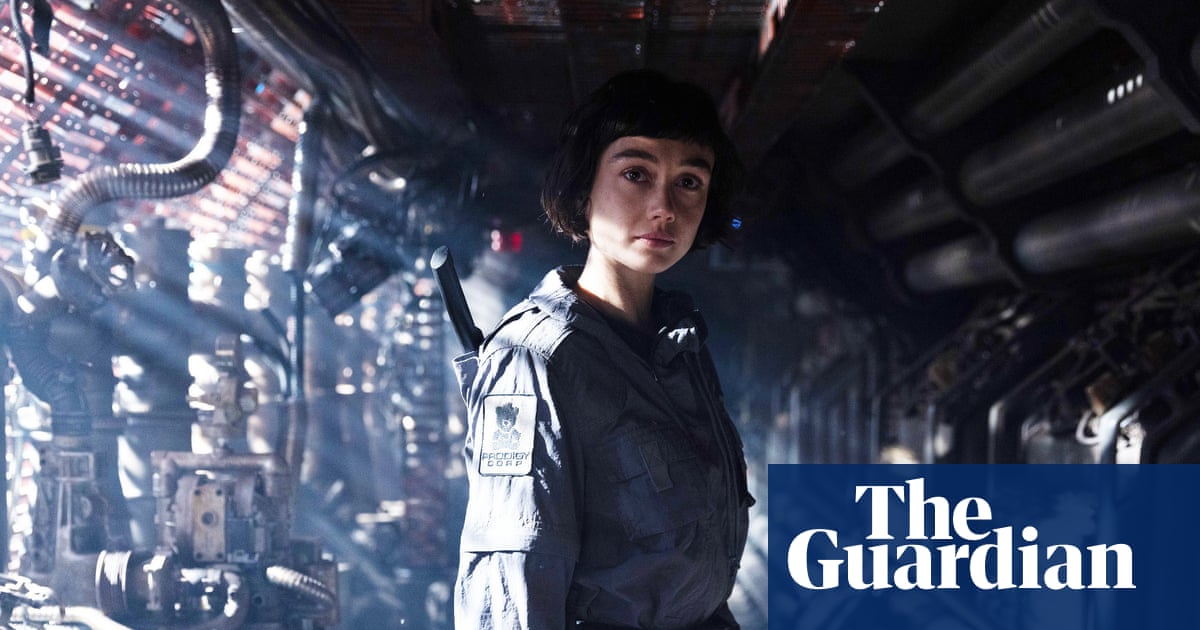
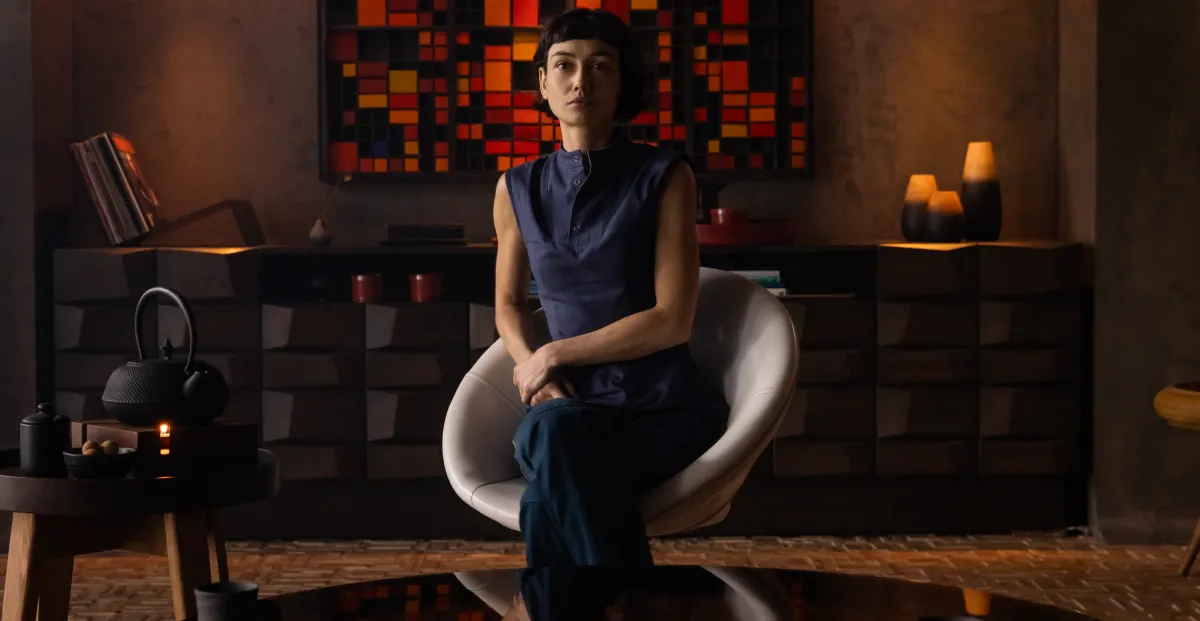
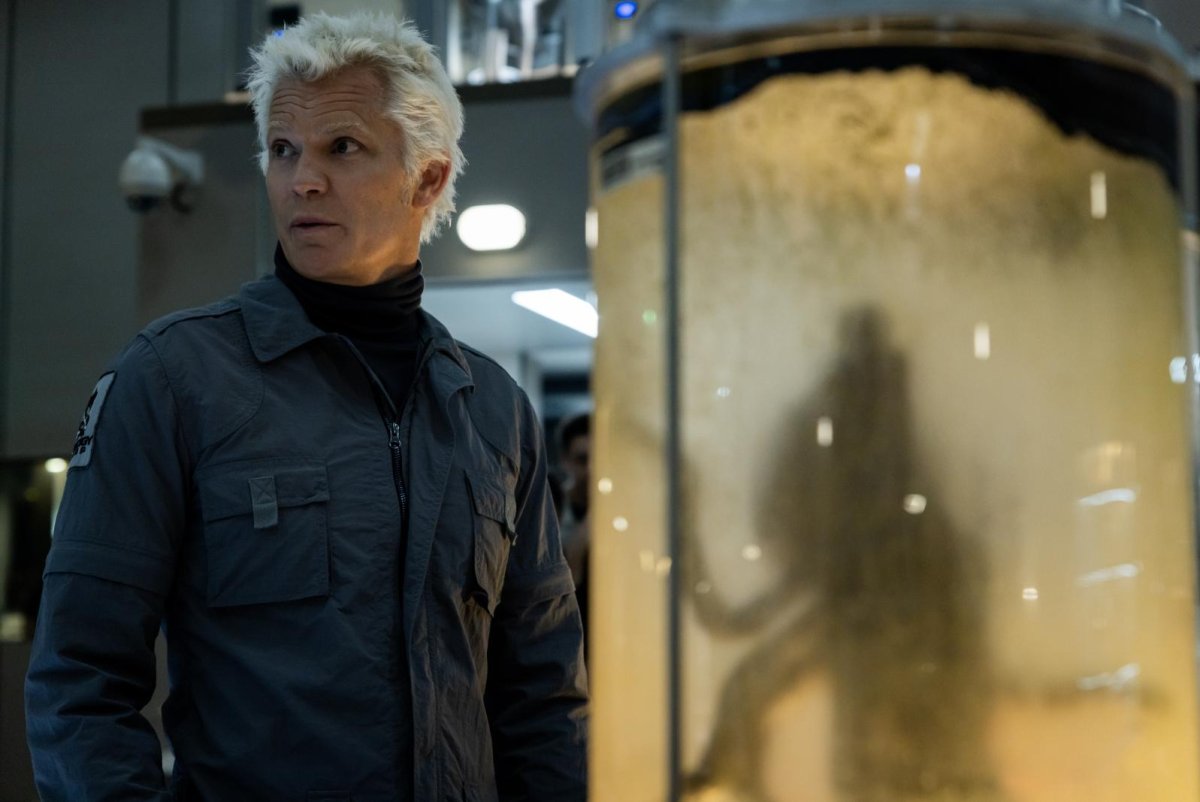
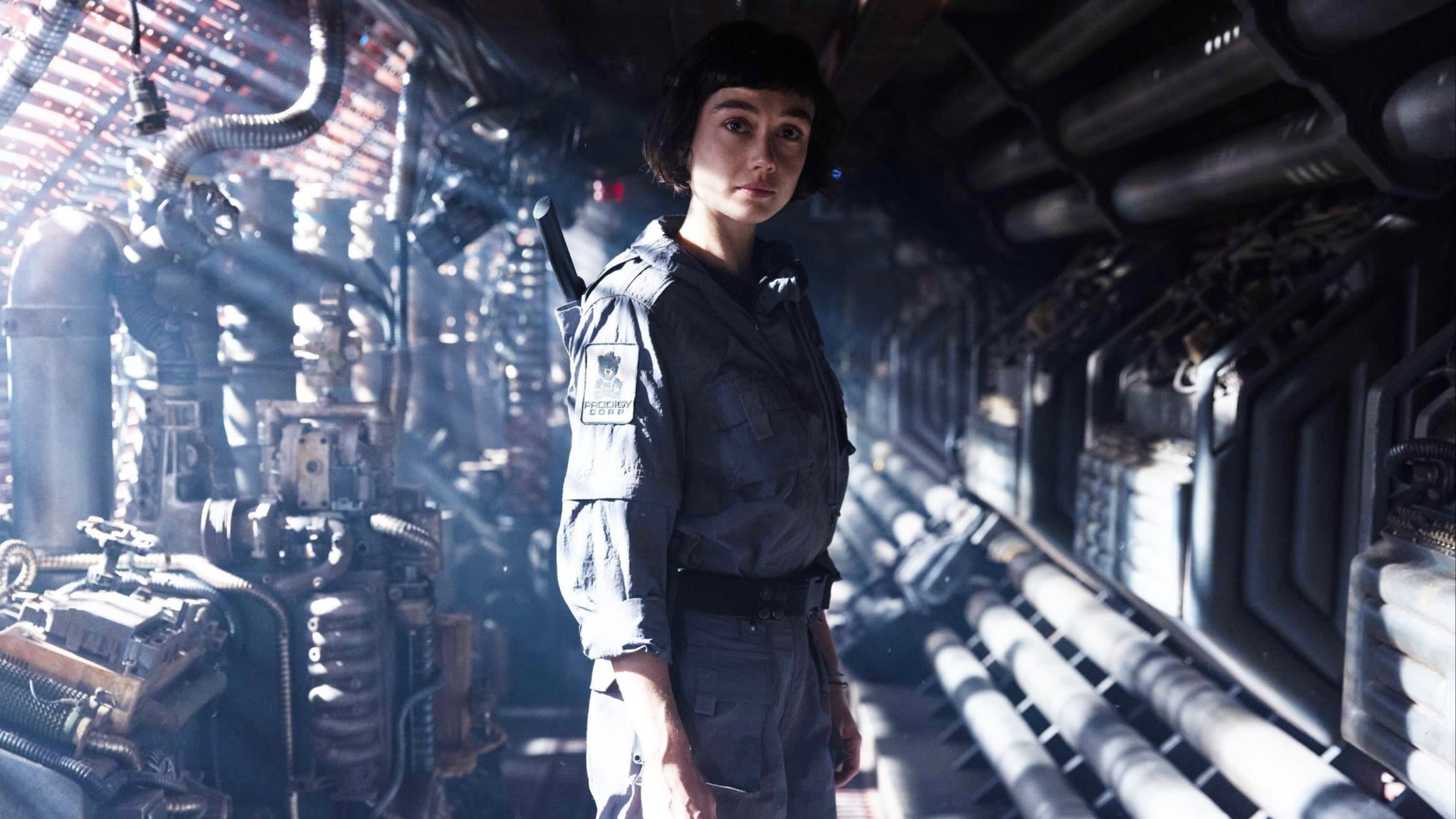
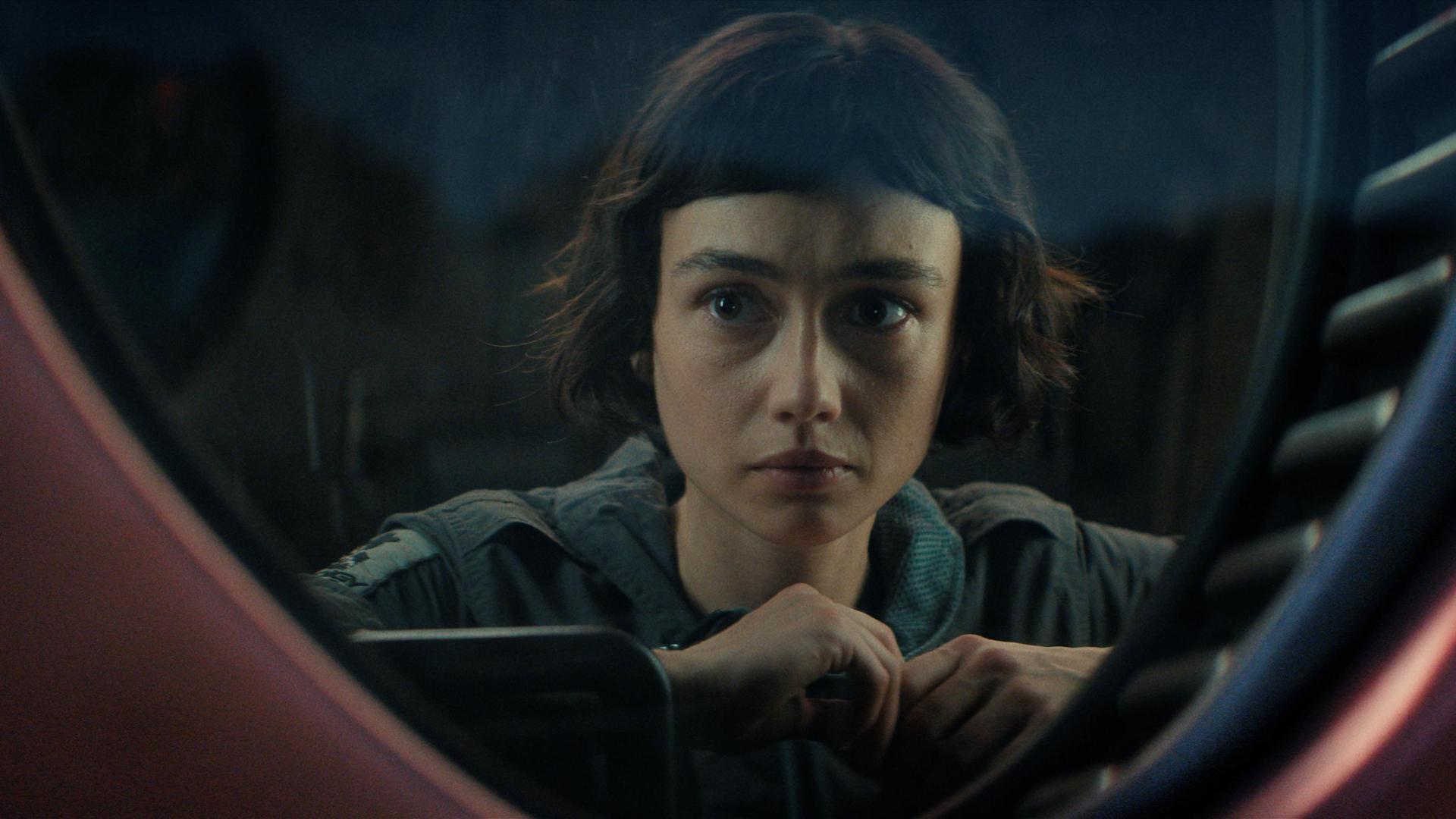
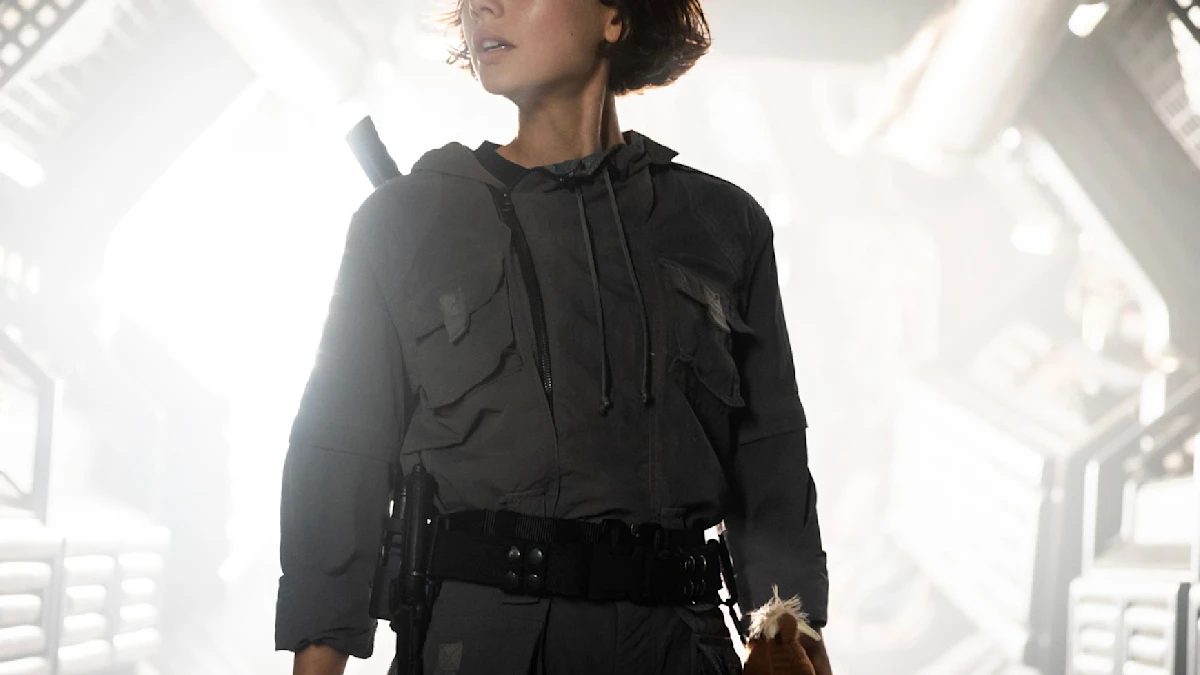
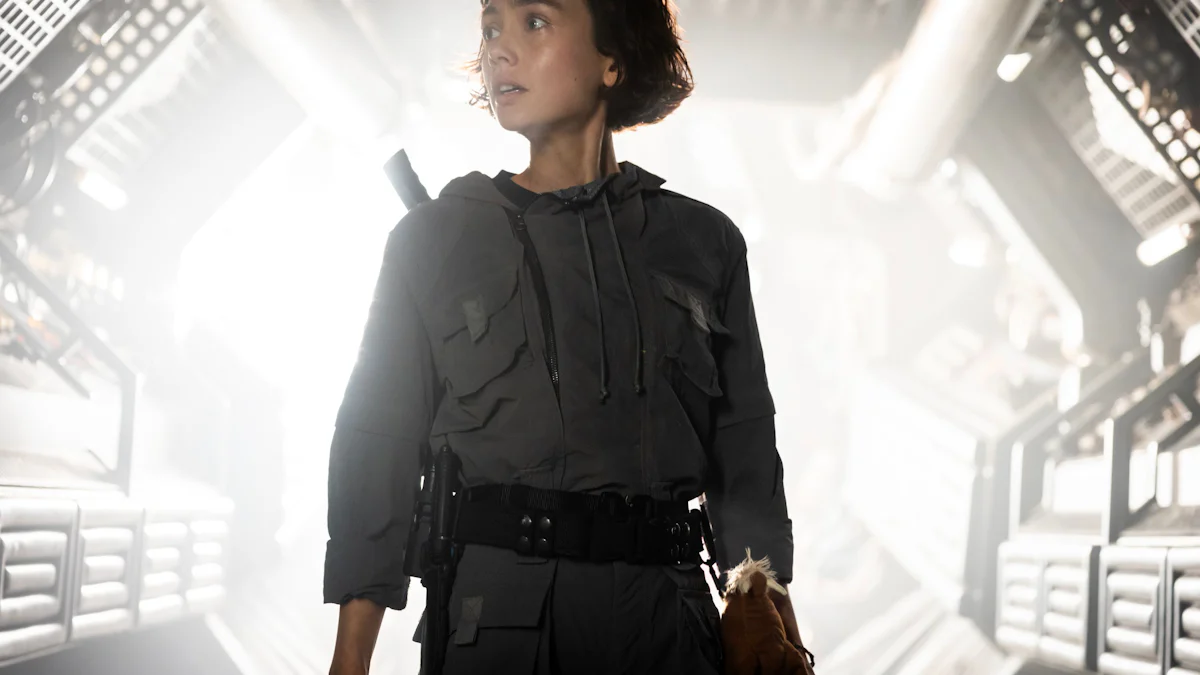
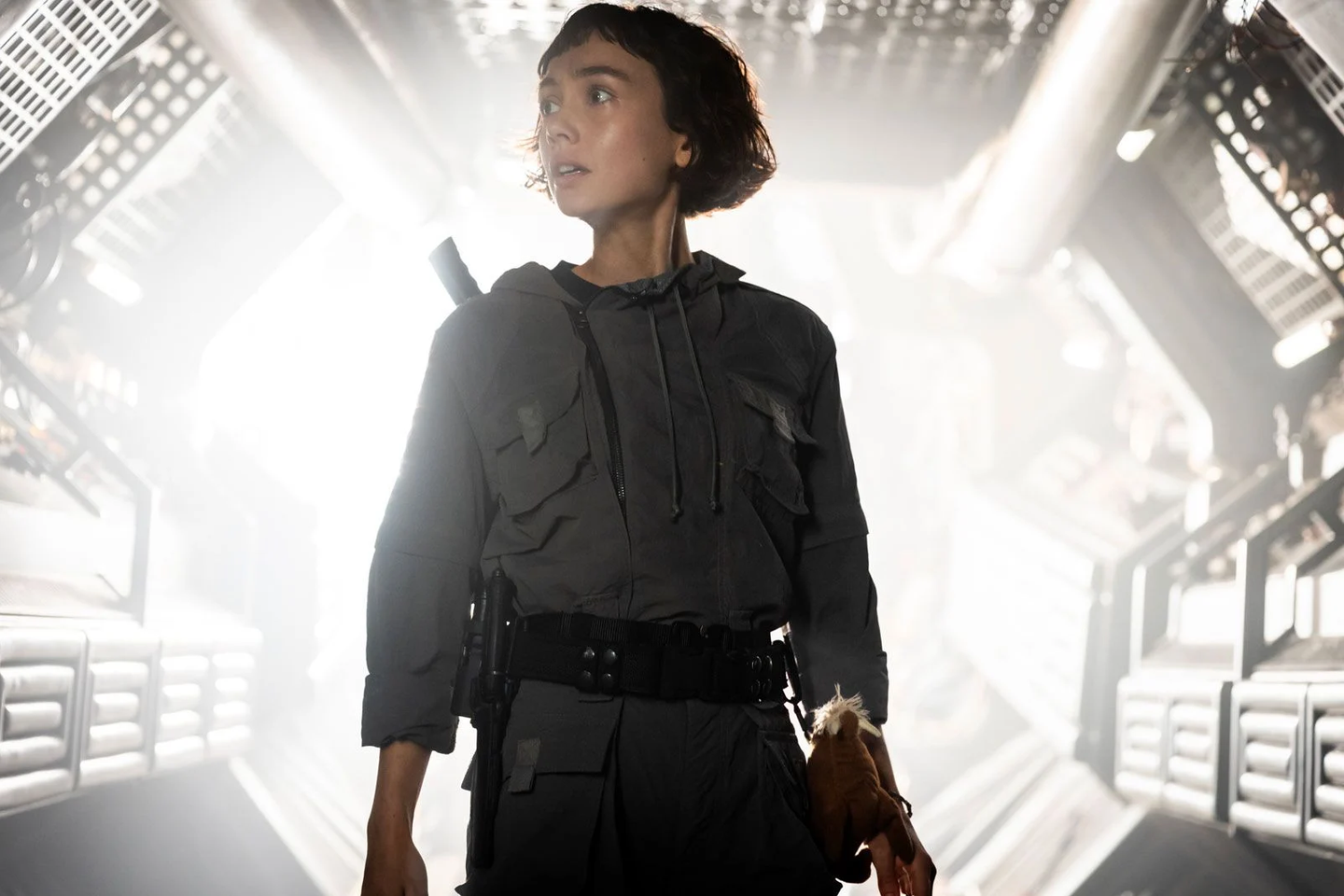
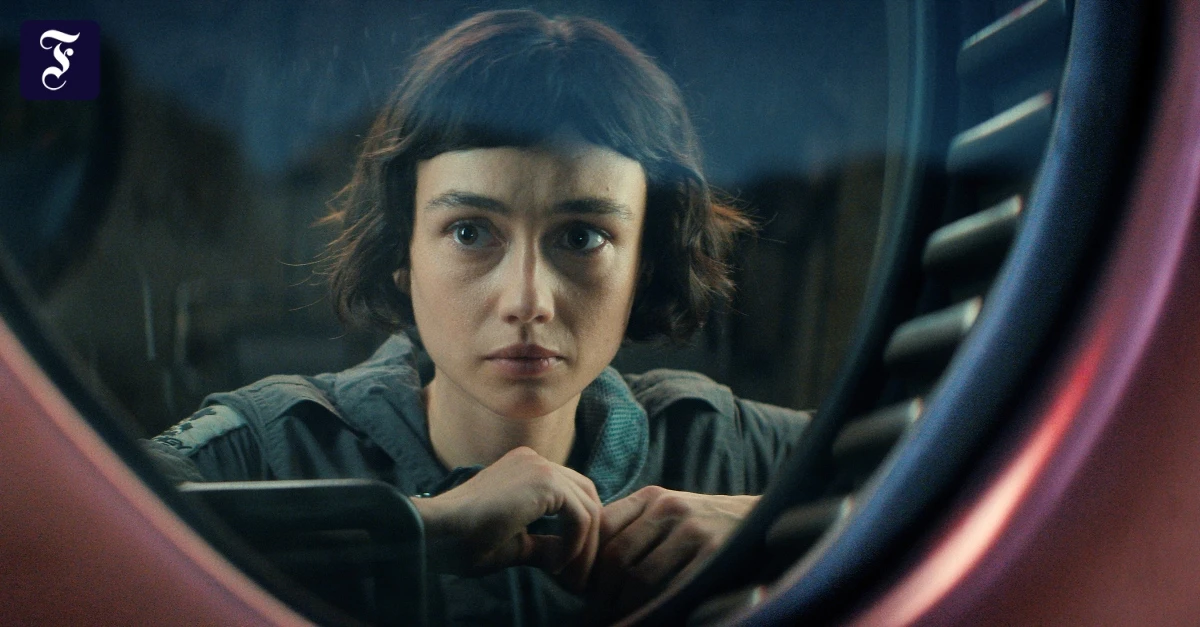
The last of these is our primary concern in a first episode that mostly consigns the flesh-ripping aliens to flash-forwards so rapid they are almost subliminal. In Neverland, the laboratory complex of trillion-dollar disruptive startup Prodigy, a girl who looks to be in the last stages of terminal cancer lies down next to an inert adult figure she names Wendy. When the procedure is over, her brain has been copied from her ailing body and pasted into the entirely lifelike synthetic woman. The newly alive Wendy (Sydney Chandler) is the first hybrid and, soon, the leader of a gang of child-robot soldiers mentored by the enigmatic Kirsh, played by Timothy Olyphant sporting harrowing bleach-blond hair, an unnerving murmur and a turtleneck sweater that says something really isn’t right here.