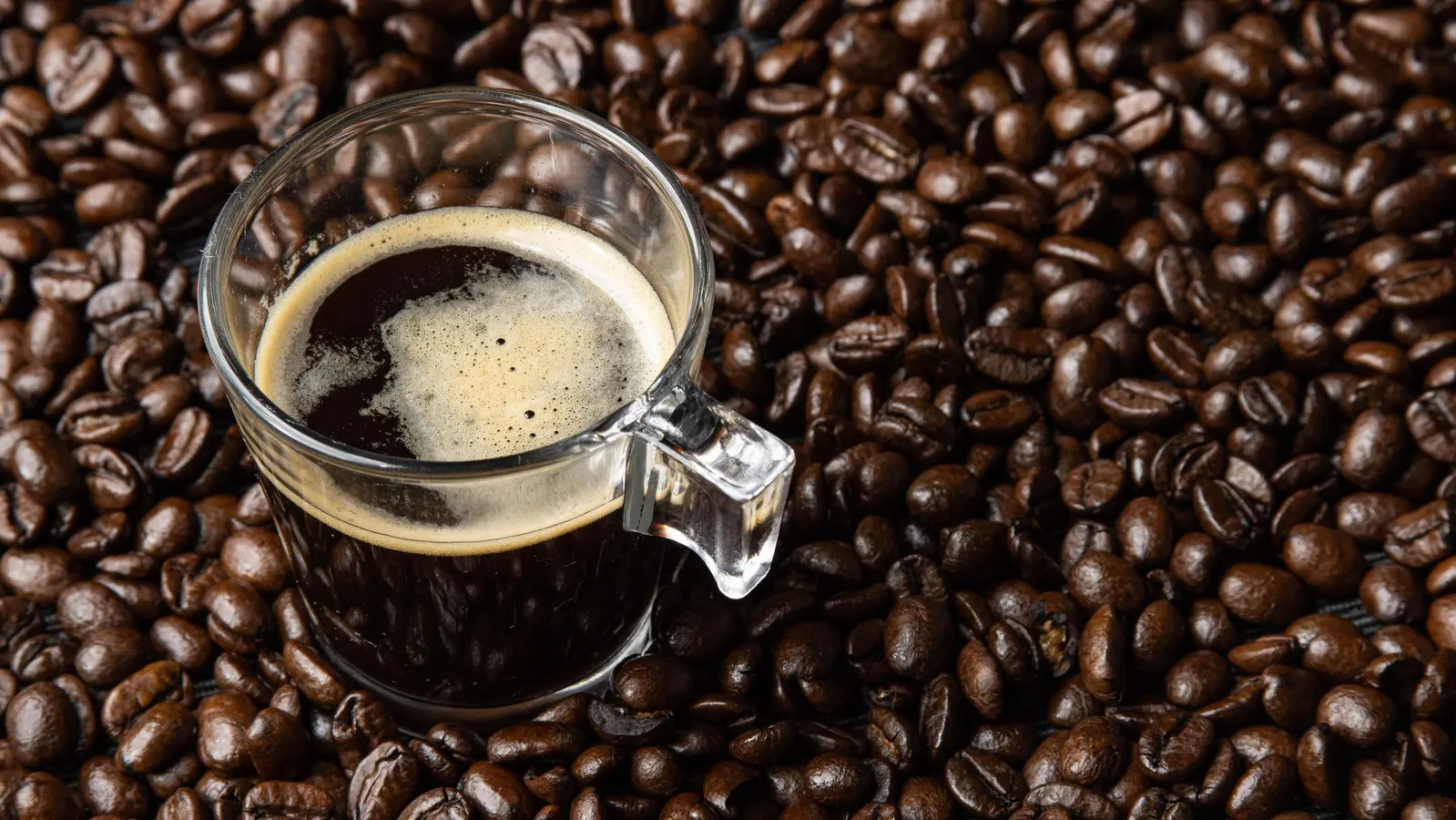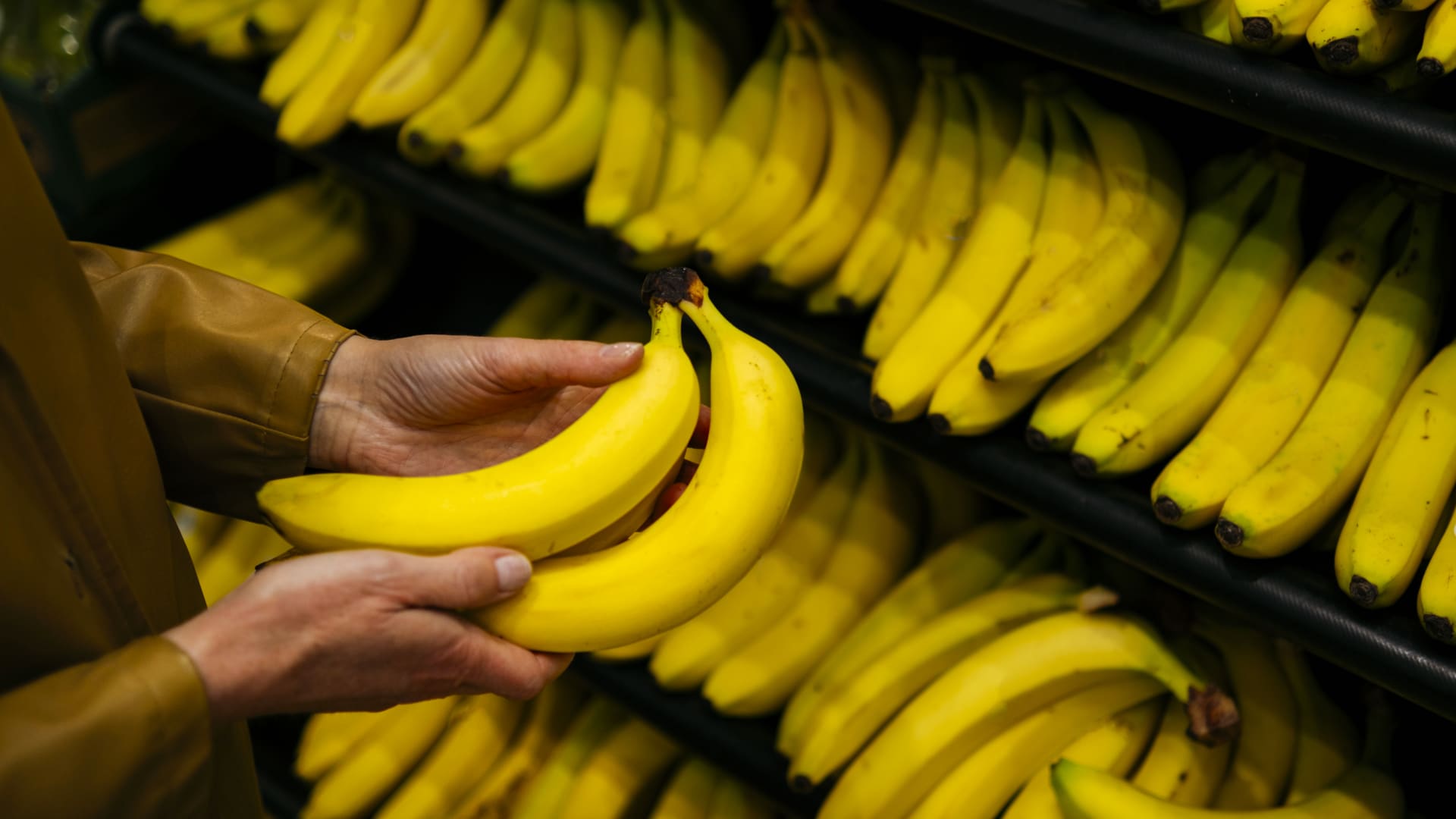
Even with no overall increase in food prices last month, Americans are still paying more for tariff-sensitive staples like coffee, sugar and bananas — and new import taxes could soon push those costs even higher.
Food prices were unchanged from June to July but remained 2.9% higher than a year ago, above the Federal Reserve’s target inflation rate of 2%, according to the Bureau of Labor Statistics’ consumer price index report released Wednesday.
Food costs are among the most volatile parts of household budgets, shifting quickly due to weather events, disease outbreaks and global supply disruptions — all trends that have played out and boosted prices over the past year.
Droughts in the Great Plains have increased feed prices and shrunk cattle herds, pushing up beef costs. Heat and drought in Brazil and Vietnam have reduced coffee harvests. Another wave of avian flu in the U.S. has cut into egg-laying flocks. And poor sugar harvests in India and Thailand have tightened supplies, contributing to higher candy and sweets prices.
“These shocks often appear suddenly and ripple through the supply chain, leading to double-digit increases in certain items even when the overall food index is relatively stable,” Mario Macis, professor of economics at the Johns Hopkins Carey Business School, tells CNBC Make It.