We and our vendors use cookies and similar methods (“Cookies”) to recognize visitors and remember their preferences. We also use Cookies for a variety of purposes, including analytics, to measure marketing effectiveness and to target and measure the effectiveness of ads. You can accept or reject the use of Cookies for individual purposes below. Some vendors process your data on the basis of their legitimate interest - you can object to such processing below. Your preferences will be saved in a cookie named “fides_consent” for a maximum duration of 12 months, as well as in your registered user account if you are logged in. If you previously accepted these methods through our prior banner, then we will use your data for targeting. Your preferences will apply on nytimes.com, as well as our News, Cooking, Games and Audio apps. Your preferences here are unrelated to Apple’s App Tracking Transparency Framework.
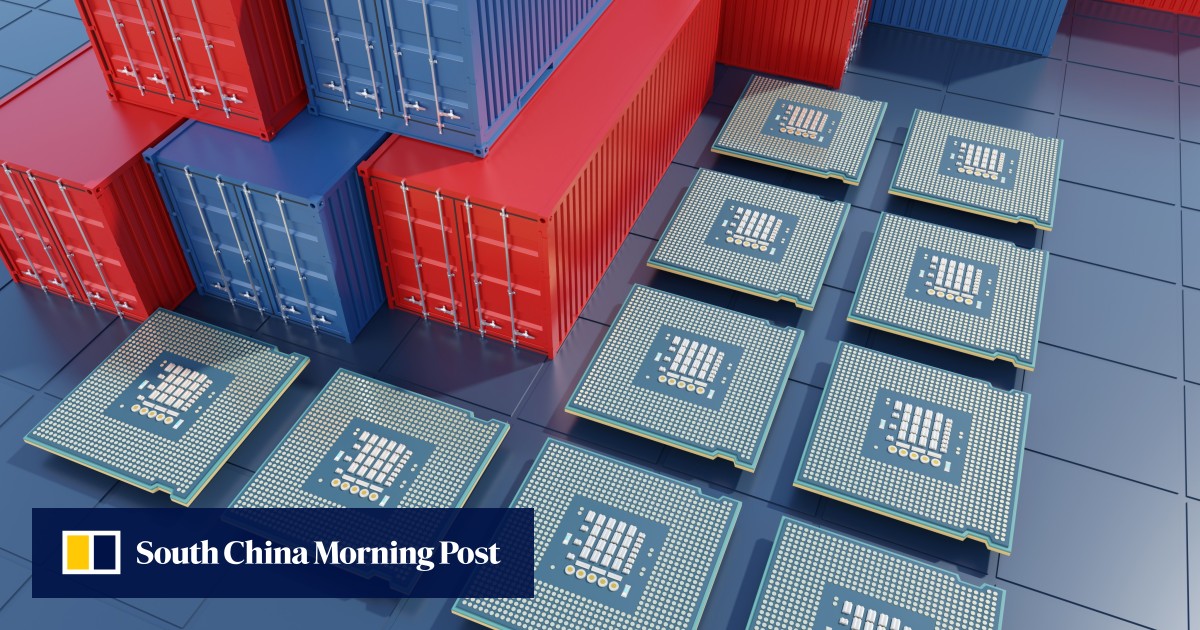
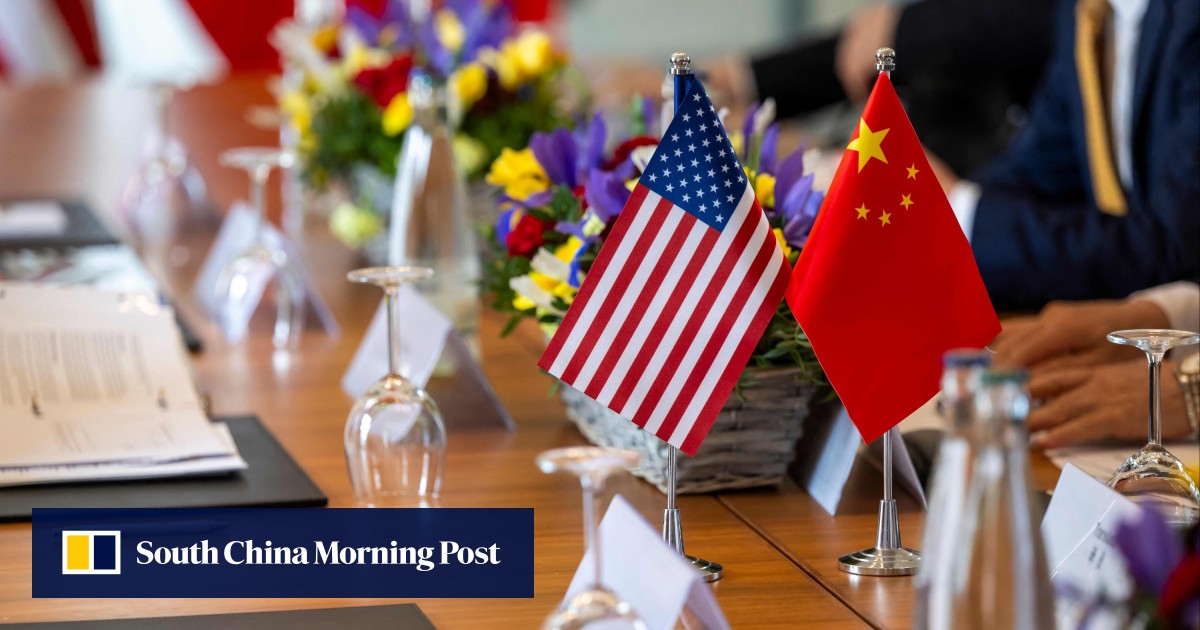
President Trump again delayed higher tariffs on Chinese goods. But his recent moves on computer chips have stoked fears he’s willing to give too much to reach an accord.
By Andrew Ross SorkinBernhard WarnerSarah KesslerMichael J. de la Merced and Danielle Kaye
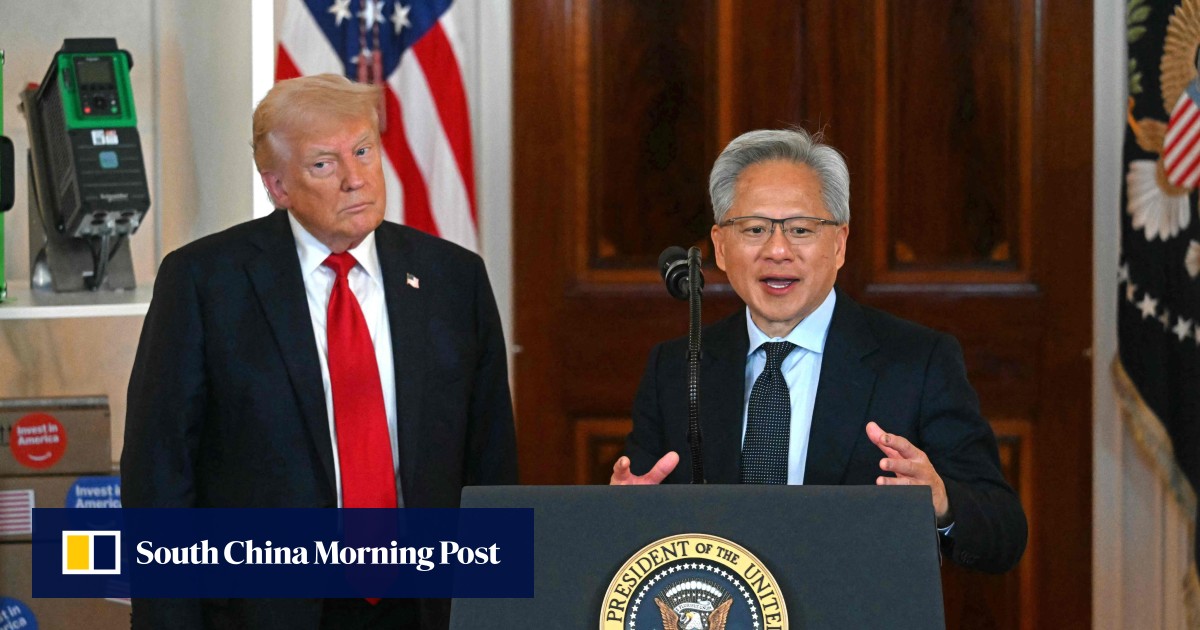
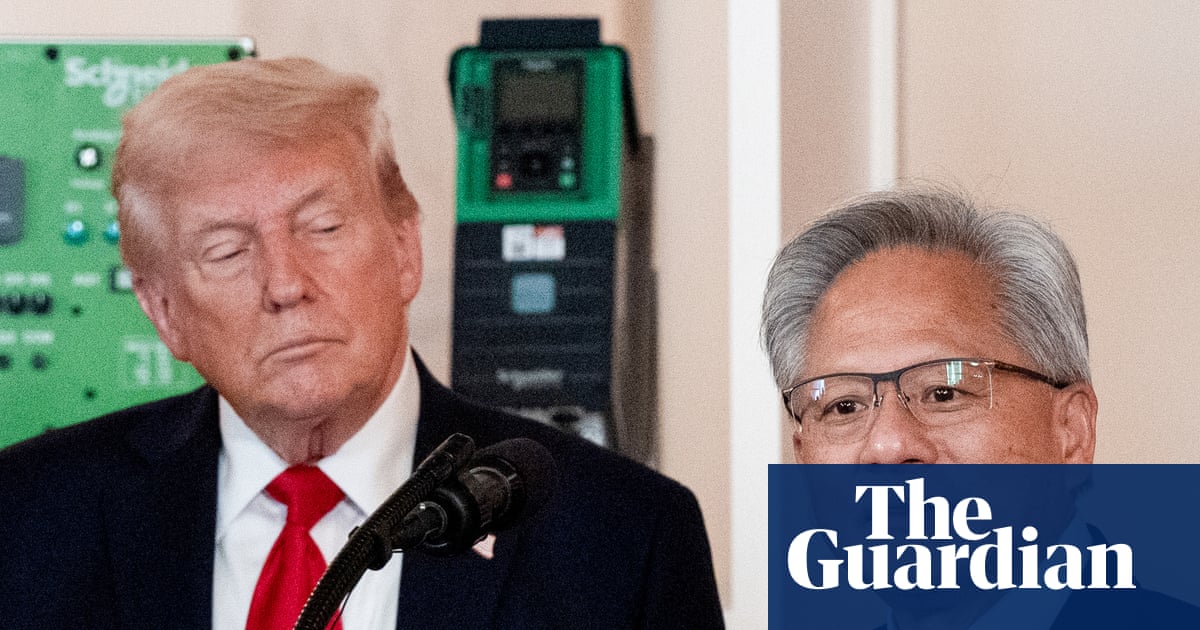
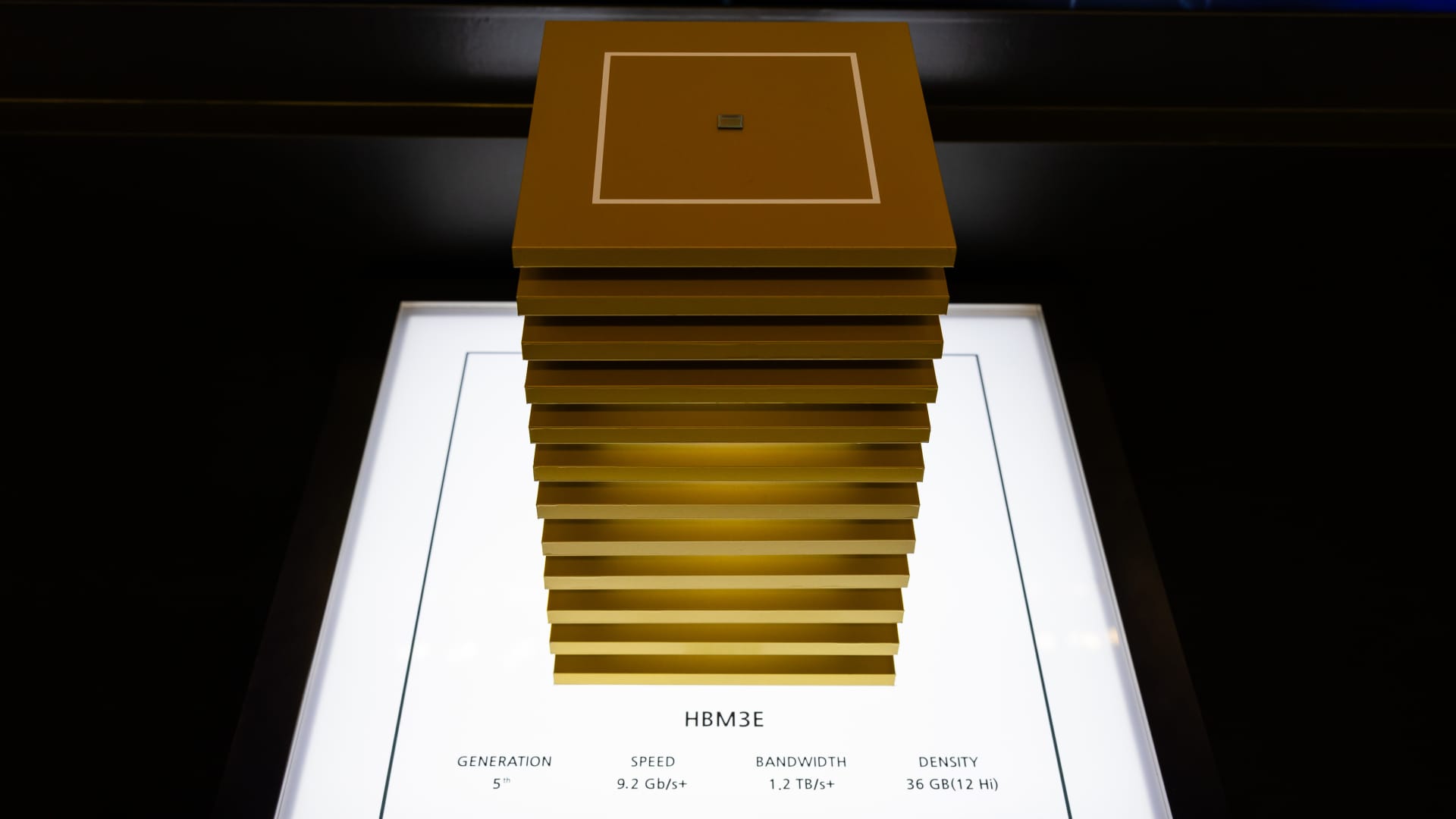
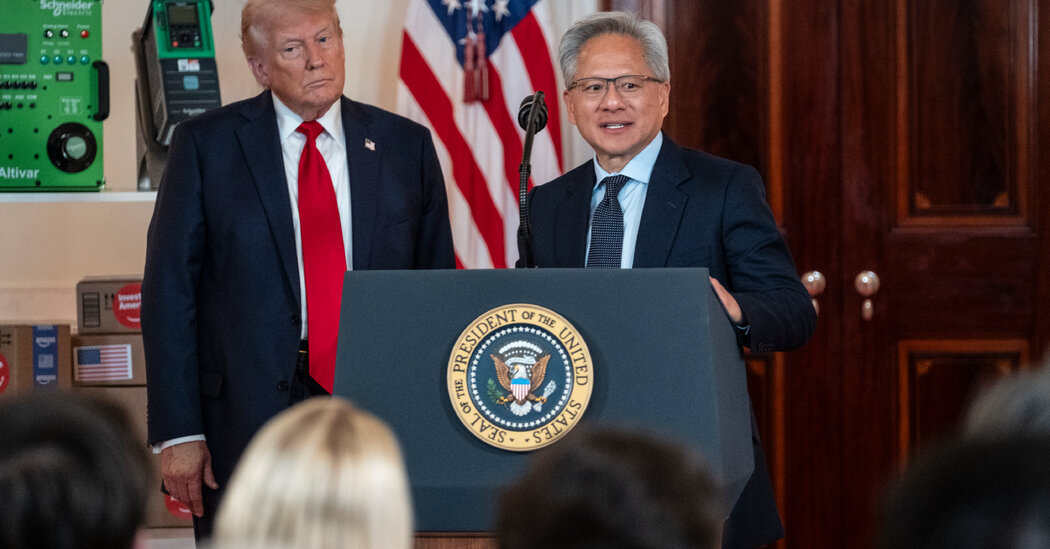
Andrew here. We’re digging deeper into President Trump’s tariff talks with China, which have been postponed for another 90 days. (Some critics are calling it another TACO — short for “Trump Always Chickens Out” — moment.) We’re also still thinking about the implications of the deal Trump reached in which Nvidia will pay 15 percent of revenue from A.I. chip sales to China. Will Beijing view this as state-sponsored capitalism? Will Nvidia — and by extension companies like Apple and Tesla — no longer be viewed as independent businesses but as arms of the U.S. government? If so, is the brand of capitalism that the U.S. has promoted for decades now in question? Let us know your thoughts.