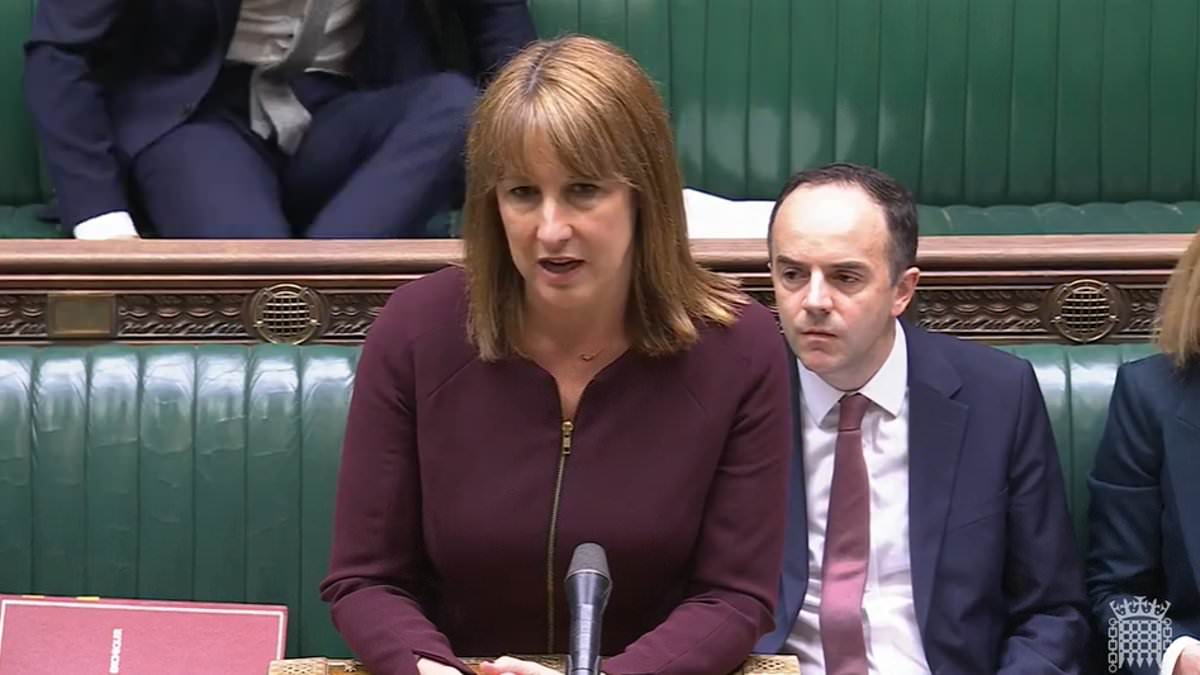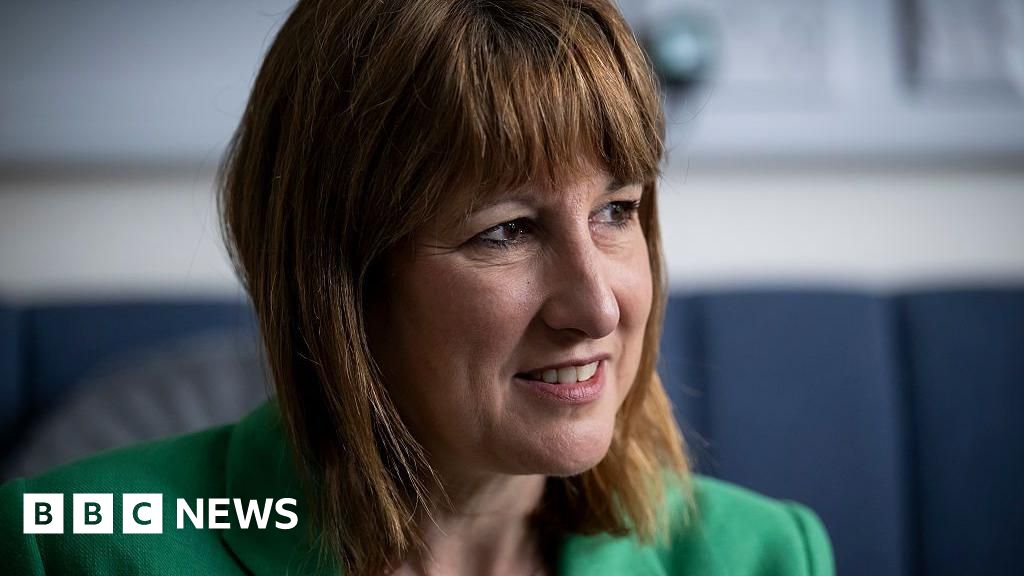
The faux row will be ear-splitting whether Rachel Reeves takes a lot or a little. Scepticism about a wealth tax is rising, but there are many ways to skin fat cats
P
aroxysms of glee among Labour’s many enemies greeted last week’s forecast of a £41.2bn black hole awaiting Rachel Reeves’s autumn budget, from influential thinktank the National Institute of Economic and Social Research (NIESR). Expect another three months of bone-rattling warnings about imminent tax raids crushing every family. She is in a doom loop; no way out; ha, ha, ha!
Voices in the Treasury sound sanguine, pointing out that NIESR has a record of eccentric forecasts. Before the spring statement, it predicted that Reeves needed £57bn just to keep her fiscal rules: actually, it was £4.1bn. For Jeremy Hunt as chancellor in 2023, it generously forecast he had £97.5bn to spend: on the day, that had shrunk to £6.5bn.
But the truth universally acknowledged (if not publicly by the government) is that taxes must rise. Debt interest costs £100bn a year, growth is nowhere near enough for rising NHS, pensions and welfare costs. Even the right talks of a “brutally honest conversation with the public”: that’s from Robert Colvile, the director of the Centre for Policy Studies, daring to come up with solutions that would sink his party at an election: “No more triple lock. Raising the state pension age … Asking people to pay for their social care out of their housing wealth.” (Quite right, but toxic in Torydom.)